
|
Getting your Trinity Audio player ready...
|
- The SEC proposed letting investment advisers hold client crypto themselves if no eligible custodian is available, rechecking that every quarter.
- Self-custody would require key and cybersecurity safeguards, separate client holdings and approval from at least two authorized people for any transfer.
- State trust companies could also qualify as crypto custodians, and the public has 60 days to comment after Federal Register publication.
The US Securities and Exchange Commission wants to loosen the rules on how investment advisers and funds safeguard digital assets, a change that could unlock crypto products some firms have been unable to offer. The proposal, released Thursday, would let advisers hold clients’ tokens directly when no eligible custodian exists. It would also add state trust companies to the list of approved custodians.
Why custody has been a roadblock
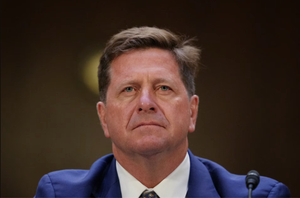
SEC Chair Paul Atkins said crypto has grown from a niche curiosity into a multi-trillion-dollar market while the rulebook stayed behind.
The practical problem is simple: advisers often can’t find a qualified custodian for a specific token, and that limits what they can offer clients. The Digital Chamber told the SEC in May 2025 that some advisers had turned down token allocations, or asked portfolio companies to hold the tokens for them until custody became available.
Commissioner Hester Peirce compared the long wait for workable rules to a regulatory “roller coaster.”
Self-custody, with strings attached
The proposal doesn’t hand advisers a blank check. For each asset, an adviser would have to establish that no permitted custodian is available, then revisit that conclusion every quarter. If a custodian appears, the assets must move as soon as reasonably practicable.
Advisers would also need safeguards for private keys and cybersecurity, and each client’s holdings would have to stay separate. Any transfer would require approval from at least two authorized individuals.
Commissioner Mark Uyeda acknowledged that adviser custody creates an inherent conflict of interest, and noted that fiduciary duties would still apply. Regulated funds could also keep crypto in self-custody with their adviser, as long as the adviser meets the requirements and the fund’s board oversees the arrangement.
State trust companies get a seat
A state trust company is a firm authorized by a US state to look after assets on behalf of others. Under the proposal, one could serve as a crypto custodian if it meets several conditions:
- Authorization from the relevant state authority to provide crypto custody
- Reasonable procedures to protect assets from loss, theft or misappropriation
- Audited financial statements and internal control reports
- Client holdings kept segregated from the company’s own assets
The package also changes audit, recordkeeping and disclosure requirements. The SEC will take public comments for 60 days after the proposal appears in the Federal Register.
Part of a wider regulatory push
The move comes after the CLARITY Act failed to advance in the Senate last month. With legislation stalled, the SEC and the Commodity Futures Trading Commission are trying to set clearer crypto rules under their existing powers. The CFTC has sent a crypto-market proposal to the White House for review, and the SEC has opened a path for trading tokenized stocks.
Also Read: 25% of Gen Z Trading Volume Now Goes to ETFs, Binance Data Shows
What happens next
This is a proposal, not a final rule, and the comment period could shape the outcome. Still, the quarterly checks and dual-approval requirement show regulators trying to widen access without ignoring the risks of advisers holding assets they also manage. If it holds up, firms that have been stuck on custody could finally start offering the tokens their clients keep asking about.
Disclaimer: The information in this article is for general purposes only and does not constitute financial advice. The author’s views are personal and may not reflect the views of Chain Affairs. Before making any investment decisions, you should always conduct your own research. Chain Affairs is not responsible for any financial losses.

With a keen eye on the latest trends and developments in the crypto space, I’m dedicated to providing readers with unbiased and insightful coverage of the market. My goal is to help people understand the nuances of cryptocurrencies and make sound investment decisions. I believe that crypto has the potential to revolutionize the way we think about money and finance, and I’m excited to be a part of this unfolding story.