|
Getting your Trinity Audio player ready...
|
- A Durham University study calls XRP a “radical form of commodity money.”
- A bipartisan bill aims to classify XRP under CFTC oversight.
- XRP’s utility role may finally earn legal recognition in U.S. law.
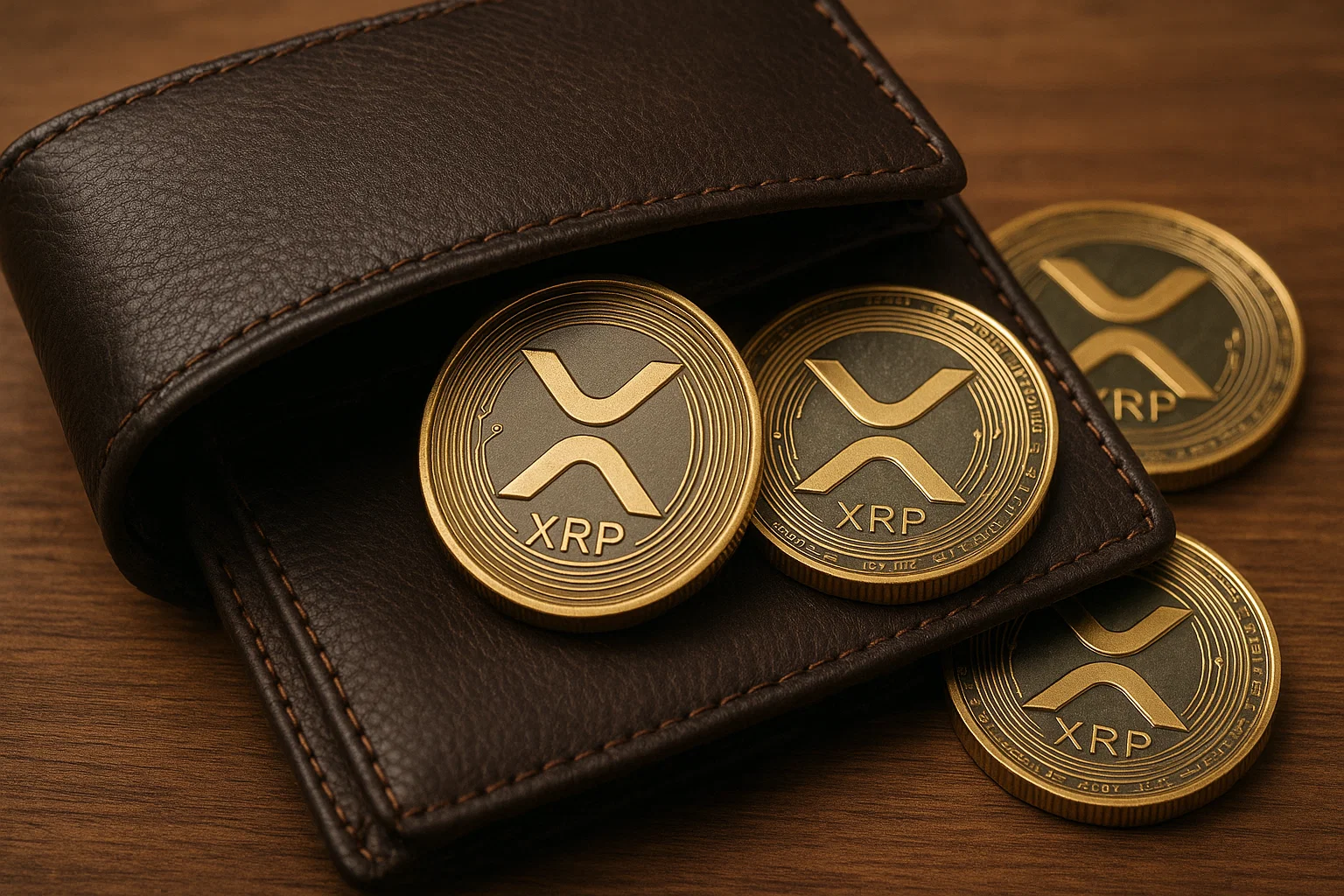
As U.S. lawmakers push for clear crypto regulation, the XRP community has reignited debate over the token’s true nature — commodity or security. The renewed discussion follows fresh bipartisan efforts in Washington and a resurfaced academic paper that described XRP as a “radical form of commodity money.”
Yes, XRP is a “radical form of commodity money.” 😏💨
— SMQKE (@SMQKEDQG) November 12, 2025
“Like gold in your hands”🔑
“The most liquid asset on the XRPL”🎯
Documented.📝💨 https://t.co/9a3HiPxojU pic.twitter.com/xqWzAS2sUd
Academic Study Reinforces XRP’s Commodity Traits
Ludovico Rella, a researcher at Durham University, explored XRP’s unique role in modern finance in a 2019 study published in the Journal of Cultural Economy. Rella described XRP as both a digital asset with commodity-like qualities and a functional part of Ripple’s cross-border payment network.
He traced Ripple’s evolution from an early peer-to-peer credit system built on trust to a blockchain-based payment protocol focused on speed and liquidity. In that transition, XRP shifted from a community credit token to a neutral bridge asset — one that facilitates global money movement without intermediaries.
Rella concluded that XRP operates as “a radical form of commodity money,” or what he termed “digital metallism.” Unlike securities, XRP holds intrinsic value, exists independently of corporate ownership, and can move freely between users.
Bipartisan Bill Seeks Clarity on Crypto Oversight
The revived interest comes as the U.S. Senate Committee on Agriculture introduces the Bipartisan Market Structure Draft, a proposal aiming to divide regulatory authority between the Commodity Futures Trading Commission (CFTC) and the Securities and Exchange Commission (SEC).
Under the draft, digital commodities such as Bitcoin and XRP would fall under the CFTC’s jurisdiction, while securities would remain under SEC oversight. Many in the XRP community view this as a long-overdue fix to years of legal ambiguity.
Commentators suggest the bill could confirm what the courts and markets have already acknowledged — that XRP functions as a utility token for payments and liquidity, not as an investment contract.
Also Read: XRP ETF Launch Imminent as Canary Capital Nears SEC Approval
The Road Ahead for XRP
If the bill becomes law, it could solidify XRP’s legal standing and reinforce its role as a bridge asset in global finance. For holders and institutions alike, such clarity could open the door to broader adoption and regulatory certainty.
In the words of one community member, “The law might finally catch up with what the coin has already proven in practice — it’s a commodity built for the digital age.”
Disclaimer: The information in this article is for general purposes only and does not constitute financial advice. The author’s views are personal and may not reflect the views of Chain Affairs. Before making any investment decisions, you should always conduct your own research. Chain Affairs is not responsible for any financial losses.

I’m your translator between the financial Old World and the new frontier of crypto. After a career demystifying economics and markets, I enjoy elucidating crypto – from investment risks to earth-shaking potential. Let’s explore!