|
Getting your Trinity Audio player ready...
|
- American CryptoFed has restarted its SEC registration effort for the Locke governance token.
- The DAO plans to enable Locke token trading on Uniswap after regulatory approval.
- Upcoming U.S. crypto legislation could improve the regulatory outlook for compliant DAOs.
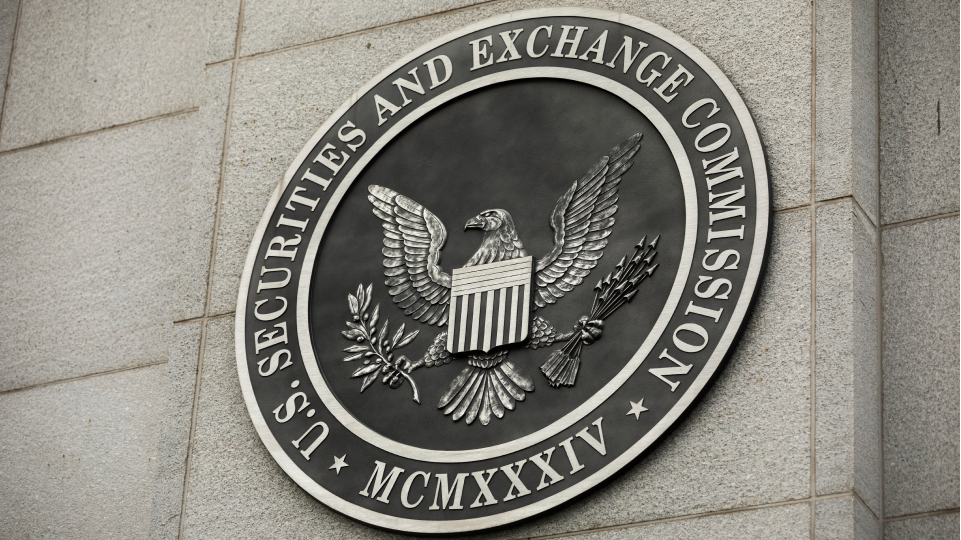
American CryptoFed, the first decentralized autonomous organization (DAO) recognized under Wyoming law, is renewing its push for regulatory approval after meeting with the U.S. Securities and Exchange Commission (SEC). The discussion marks another step in the group’s long-running effort to register its Locke governance token while advancing its vision for a decentralized monetary network operating alongside the traditional financial system.
The meeting comes as crypto regulation in the United States continues to evolve, with lawmakers and regulators increasingly focused on creating clearer rules for digital assets.
American CryptoFed Restarts SEC Registration Process
According to a memorandum released by the SEC’s Crypto Task Force, agency staff met with American CryptoFed founders Scott Moeller and Xiaomeng Zhou to discuss the organization’s regulatory approach and the status of its Locke governance token.
During the meeting, the nonprofit confirmed it had recently reorganized as a Wyoming unincorporated nonprofit association under the state’s UNA/DUNA Act. The transition accompanies a new filing of Form 10, which would register the Locke token issuer as a reporting company under the Securities Exchange Act of 1934.
The organization believes the filing should automatically become effective 60 days after submission, placing August 17 as a key date unless the SEC objects. If successful, American CryptoFed would begin providing regular public disclosures similar to other reporting companies.
Locke Token Could Reach Uniswap Following Approval
American CryptoFed says it plans to make Locke governance tokens available for trading after receiving regulatory clearance. The organization expects early token holders to be able to trade the asset through Uniswap, one of the largest decentralized exchanges.
The DAO maintains that compliance requirements can still be met even in decentralized markets. It argues that insider reporting obligations, including Forms 3, 4, 5, and 144, can remain applicable despite blockchain-based trading.
The project has pursued SEC registration since 2021, revising its structure and disclosures several times in response to regulatory feedback and changing policy discussions.
Broader Crypto Policy Could Shape the Outcome
The regulatory environment may become more favorable if Congress advances digital asset legislation in the coming months. Industry participants are closely watching the proposed Clarity Act, which aims to establish clearer oversight for cryptocurrencies.
Supporters, including crypto-friendly lawmakers such as Senator Cynthia Lummis, have expressed optimism that progress could be made before the Senate’s August recess.
For American CryptoFed, clearer legislation could strengthen its broader goal of building a decentralized monetary system designed to minimize inflation, eliminate transaction fees, and function alongside the Federal Reserve rather than replace it.
Also Read: SEC Unveils 2026 Crypto Agenda: What It Means for Bitcoin, ETFs, and DeFi
American CryptoFed’s latest engagement with the SEC highlights the growing effort among blockchain organizations to work within existing securities laws instead of avoiding them. Whether the Locke token ultimately secures regulatory recognition could become an important test case for DAOs seeking compliant paths to public markets. As U.S. crypto policy continues to develop, the outcome may influence how future decentralized organizations approach token registration and governance.
Disclaimer: The information in this article is for general purposes only and does not constitute financial advice. The author’s views are personal and may not reflect the views of Chain Affairs. Before making any investment decisions, you should always conduct your own research. Chain Affairs is not responsible for any financial losses.

I’m your translator between the financial Old World and the new frontier of crypto. After a career demystifying economics and markets, I enjoy elucidating crypto – from investment risks to earth-shaking potential. Let’s explore!