|
Getting your Trinity Audio player ready...
|
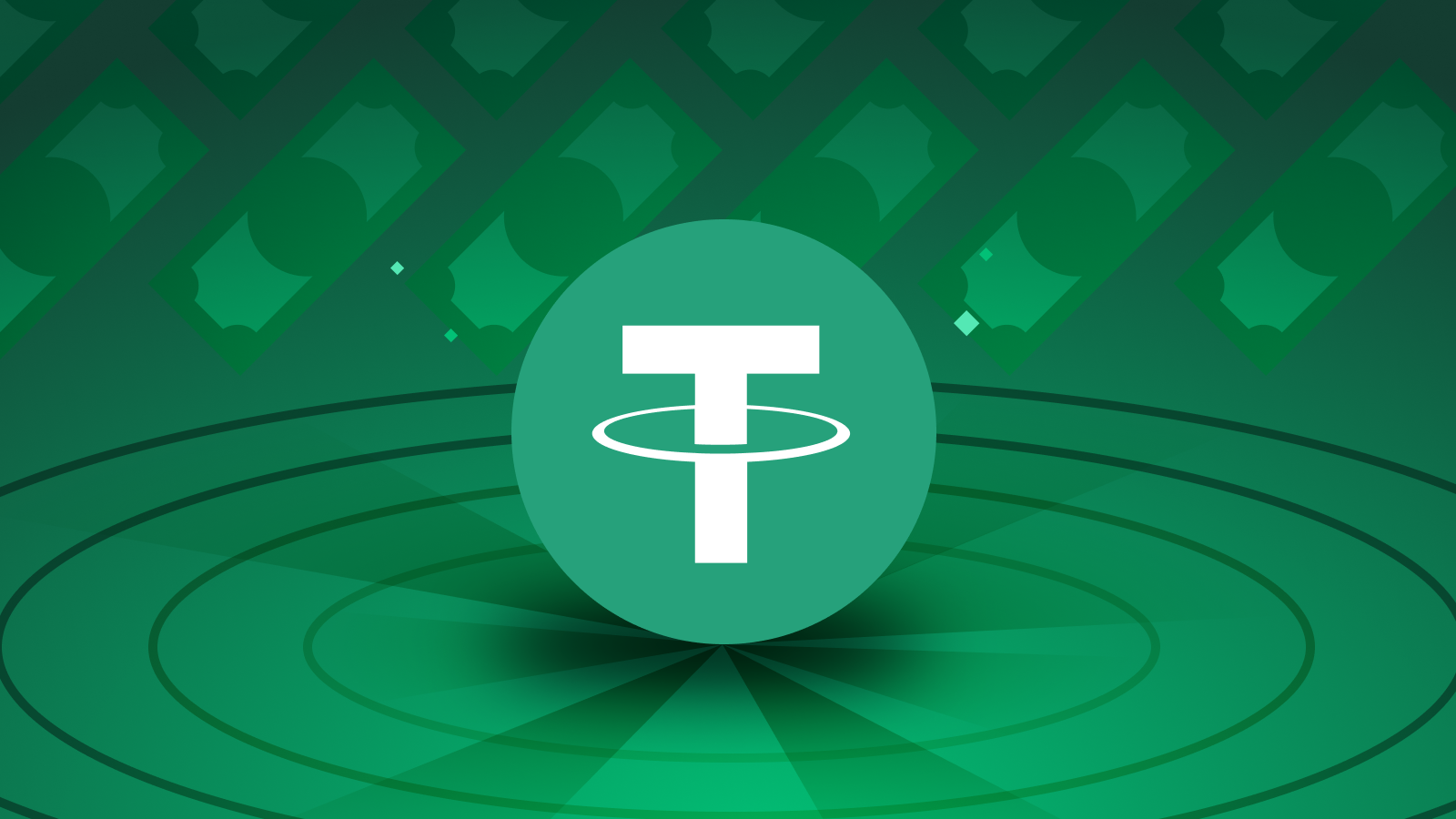
The European Union (EU) has officially approved ten stablecoin issuers under its Markets in Crypto-Assets (MiCA) regulations, marking a significant step in the region’s approach to cryptocurrency oversight. However, the glaring absence of Tether (USDT), the largest stablecoin by market capitalization, has sparked debate over regulatory priorities and potential market consequences.
MiCA’s Approved Stablecoin Issuers
The ten approved firms include Banking Circle, Circle, Crypto.com, Fiat Republic, Membrane Finance, Quantoz Payments, Schuman Financial, Societe Generale, StabIR, and Stable Mint. These entities have issued a total of ten euro-pegged stablecoins and five US dollar-pegged stablecoins, solidifying their legal status within the EU. However, the exclusion of USDT means that many crypto platforms have already begun delisting the stablecoin for EU-based users, creating uncertainty for traders and investors.
𝐌𝐢𝐂𝐀 50-𝐃𝐚𝐲 𝐒𝐭𝐚𝐭𝐮𝐬 𝐔𝐩𝐝𝐚𝐭𝐞: 𝐅𝐮𝐥𝐥 𝐋𝐢𝐬𝐭 𝐨𝐟 𝐀𝐮𝐭𝐡𝐨𝐫𝐢𝐳𝐞𝐝 𝐒𝐭𝐚𝐛𝐥𝐞𝐜𝐨𝐢𝐧 𝐈𝐬𝐬𝐮𝐞𝐫𝐬 & 𝐒𝐞𝐫𝐯𝐢𝐜𝐞 𝐏𝐫𝐨𝐯𝐢𝐝𝐞𝐫𝐬 🇪🇺
— Patrick Hansen (@paddi_hansen) February 19, 2025
50 days after MiCA’s full entry into application, here’s where we stand according to the latest ESMA interim… pic.twitter.com/OG7WwMProh
In addition to stablecoin issuers, 11 Crypto-Asset Service Providers (CASPs) received MiCA authorization across Germany, the Netherlands, and Malta. These providers now operate within the EU’s regulatory framework, offering trading, exchange, custody, and transfer services for digital assets.
Tether Expands Beyond the EU
Faced with regulatory headwinds in Europe, Tether has been actively diversifying its operations. The company recently proposed acquiring a 51% stake in a South African energy company, signaling a shift toward infrastructure investments. Additionally, Tether has expanded into the sports industry by investing in Juventus, reinforcing its strategy of integrating digital assets into traditional markets.
Tether expressed disappointment over its exclusion from MiCA, calling the delistings “hasty and unwarranted.” However, MiCA mandates strict compliance standards, potentially influencing the EU’s decision to omit the world’s largest stablecoin issuer.
MiCA Regulations: A Barrier to EU Crypto Growth?
Industry experts warn that MiCA’s strict regulatory requirements may isolate the EU’s digital asset market. Natalia Łątka, Director of Public Policy at Merkle Science, cautioned that these measures could deter foreign firms from operating in the region. She also noted that local crypto companies might consider relocating to jurisdictions with more flexible regulations to avoid MiCA-imposed restrictions.
Also Read: Tether Partners with Guinea to Explore Blockchain Innovation and Education Programs
While MiCA aims to create stability and transparency, some analysts argue that prioritizing compliance over innovation could stifle market competitiveness. As firms navigate these regulatory hurdles, the long-term impact on Europe’s crypto landscape remains to be seen.
Disclaimer: The information in this article is for general purposes only and does not constitute financial advice. The author’s views are personal and may not reflect the views of Chain Affairs. Before making any investment decisions, you should always conduct your own research. Chain Affairs is not responsible for any financial losses.

I’m a crypto enthusiast with a background in finance. I’m fascinated by the potential of crypto to disrupt traditional financial systems. I’m always on the lookout for new and innovative projects in the space. I believe that crypto has the potential to create a more equitable and inclusive financial system.