|
Getting your Trinity Audio player ready...
|
- Binance has suspended crypto trading in France after failing to obtain a MiCA license.
- The exchange has seen approximately $1.6 billion in net crypto outflows amid regulatory uncertainty.
- Binance is expanding into new markets while continuing efforts to comply with EU crypto regulations.
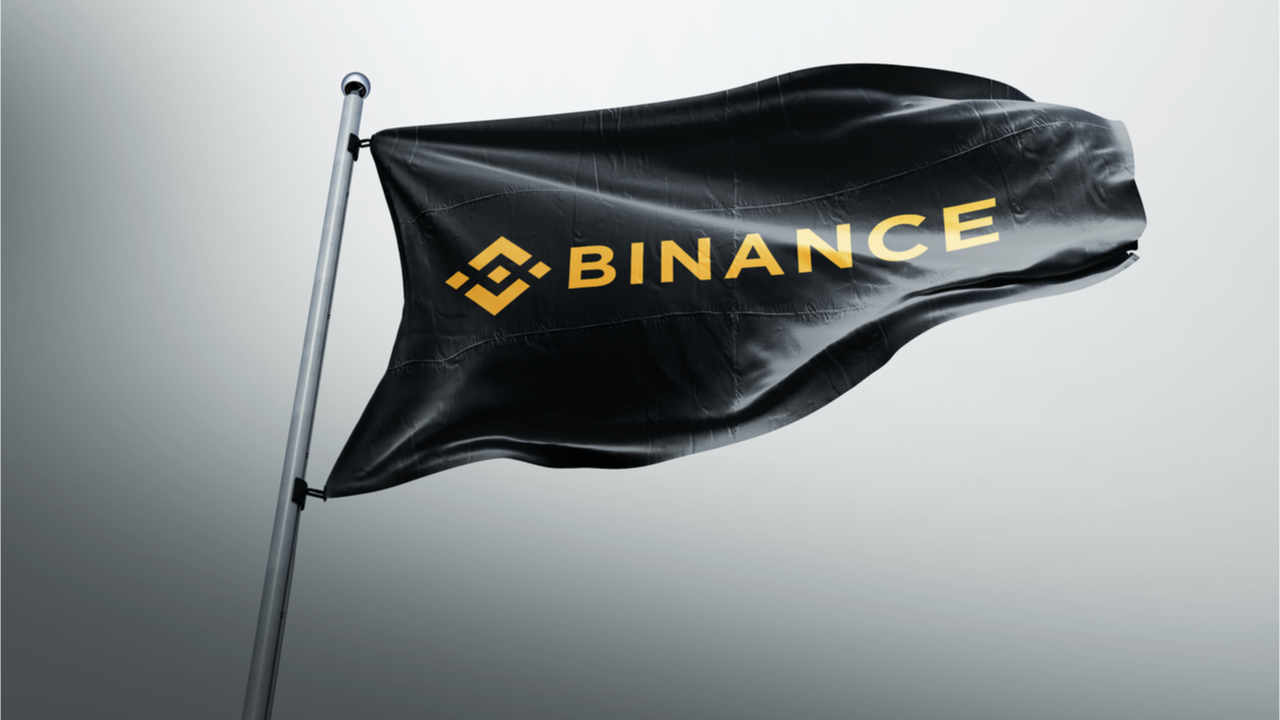
Binance, the world’s largest cryptocurrency exchange, has suspended crypto trading services in France after failing to obtain authorization under the European Union’s Markets in Crypto-Assets (MiCA) framework. The move marks another regulatory hurdle for the exchange as it reshapes its European operations while pursuing compliance with the bloc’s new crypto rules.
French users can no longer access trading features on Binance and are now limited to withdrawing their digital assets. The development follows similar service restrictions in several other EU countries, highlighting the growing impact of MiCA on global crypto exchanges.
Binance Faces Another Regulatory Challenge in Europe
France had been viewed as one of Binance’s most important European markets, with roughly two million users previously accessing spot trading, futures, margin products, and custody services.
The exchange had been working with French regulators in hopes of securing a MiCA license before the new regulatory deadline. Binance executives repeatedly emphasized their commitment to operating under Europe’s unified crypto framework, but those efforts have yet to produce approval.
The company also abandoned its MiCA licensing application in Greece, further complicating its strategy for maintaining a broad presence across the European Union.
Alongside France, Binance has scaled back or halted certain services in Poland, Italy, and Spain as it adjusts to the region’s evolving regulatory requirements.
Customers Move Funds as Withdrawals Increase
The suspension has prompted many French customers to transfer their crypto holdings off the exchange rather than wait for regulatory approval.
Blockchain data points to a sharp rise in withdrawals over the past month, with Binance recording approximately $1.6 billion in net outflows. Ethereum withdrawal activity also surged to its highest level in three years, reflecting growing interest in self-custody as regulatory uncertainty continues.
Despite the increased withdrawals, Binance still holds roughly $114 billion in customer crypto assets, underscoring its position as the largest crypto exchange by reserves.

While some users reportedly experienced delays during withdrawals, Binance has maintained that customer assets remain secure.
Binance Expands Outside Europe
Even as its European business faces pressure, Binance continues to expand elsewhere.
The exchange recently entered the Philippines, where company executives described the country as one of the world’s most active crypto communities. The move reflects Binance’s broader strategy of pursuing growth in jurisdictions with clearer regulatory pathways while continuing discussions with European authorities.
Meanwhile, industry data suggests many crypto companies are successfully adapting to MiCA, with hundreds of firms already securing licenses across the EU. Others are increasingly looking toward crypto-friendly hubs such as Dubai for expansion opportunities.
Also Read: Bhutan Sends $34.5M Bitcoin to Binance: Is a Bigger BTC Sell-Off Coming?
Binance’s latest setback illustrates how Europe’s stricter regulatory environment is reshaping the digital asset industry. Exchanges that fail to meet MiCA requirements risk losing access to key markets, while licensed competitors may gain a significant advantage.
Although Binance remains financially strong and its native BNB token has recently posted gains, securing regulatory approval in Europe will likely remain one of the company’s top priorities. Until then, European users may continue to face limited services as the exchange works to align its operations with the EU’s new crypto rules.
Disclaimer: The information in this article is for general purposes only and does not constitute financial advice. The author’s views are personal and may not reflect the views of Chain Affairs. Before making any investment decisions, you should always conduct your own research. Chain Affairs is not responsible for any financial losses.

I’m a crypto enthusiast with a background in finance. I’m fascinated by the potential of crypto to disrupt traditional financial systems. I’m always on the lookout for new and innovative projects in the space. I believe that crypto has the potential to create a more equitable and inclusive financial system.