|
Getting your Trinity Audio player ready...
|
- SEC plans to prioritize regulatory clarity through a new safe harbor framework.
- Clearer crypto rules could encourage greater institutional investment and tokenization.
- DeFi platforms are adding compliance features to attract regulated financial institutions.
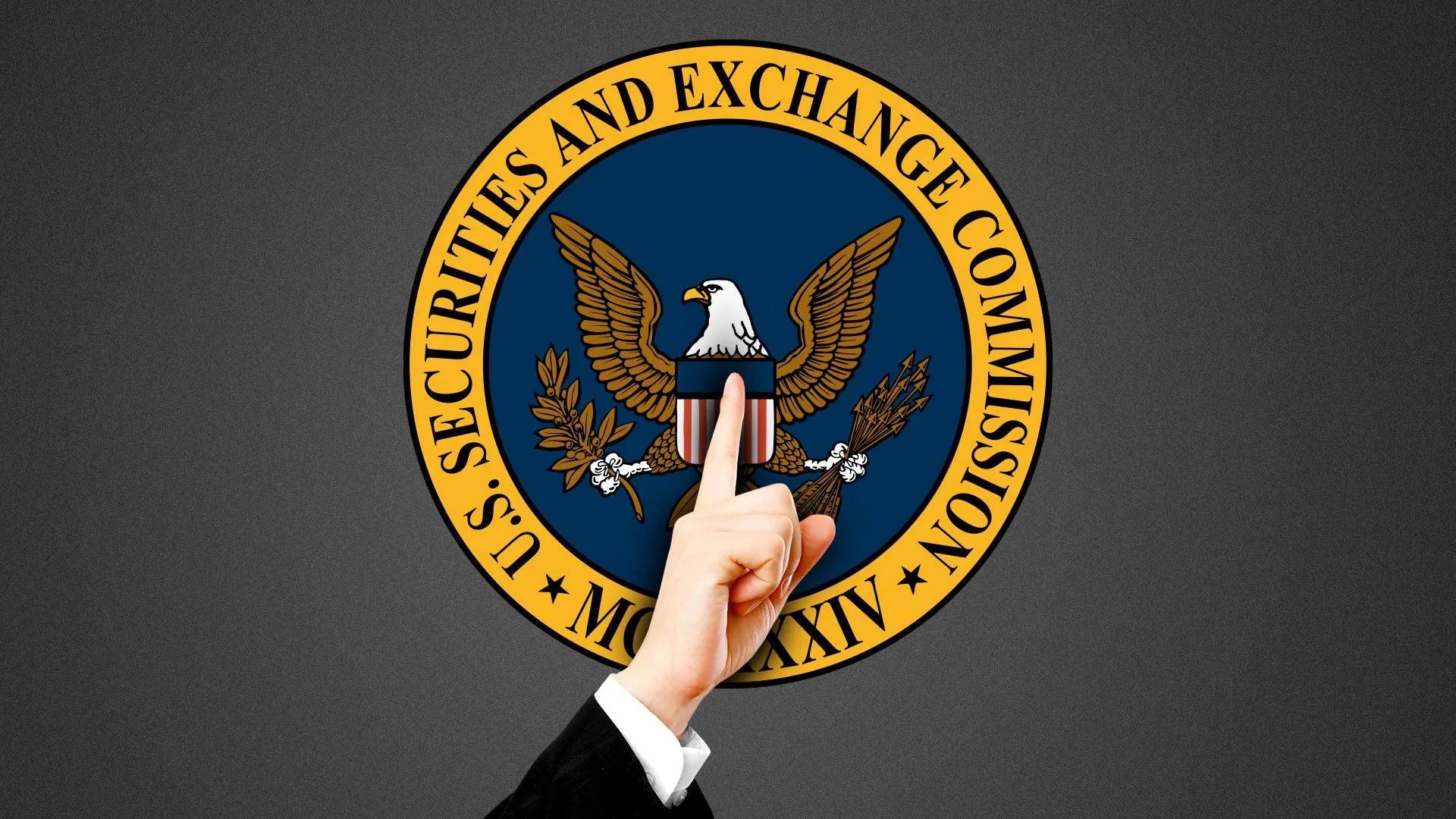
The U.S. Securities and Exchange Commission (SEC) is preparing for a major shift in its approach to cryptocurrency regulation, unveiling a 2026 agenda that emphasizes clearer rules over aggressive enforcement. The plan reflects growing recognition that digital assets have become an increasingly important part of U.S. financial markets.
Instead of relying primarily on enforcement actions, the SEC intends to introduce a safe harbor regulatory framework for public feedback. The goal is to establish predictable guidelines that protect investors while giving companies greater confidence to build compliant digital asset products.

If implemented effectively, the strategy could strengthen institutional participation, accelerate tokenization, and reshape how decentralized finance (DeFi) interacts with traditional financial markets.
SEC Moves Toward Regulatory Clarity
SEC Chairman Paul Atkins said the agency’s objective is to provide clear rules while maintaining strong investor protections. The proposed framework is expected to address key issues such as digital asset custody, trading standards, and regulatory compliance.
For crypto companies, the change could reduce uncertainty that has slowed innovation in recent years. Businesses would have a clearer understanding of regulatory expectations before launching new blockchain-based financial services or tokenized assets.
Retail investors could also benefit from more transparent market rules, making it easier to evaluate regulated digital asset products.
Institutional Investors Ready to Expand Crypto Exposure
Clear regulations have become one of the biggest factors influencing institutional adoption of digital assets.
Recent industry data shows that 73% of institutional investors plan to increase their cryptocurrency allocations, while 66% already access the market through regulated exchange-traded funds (ETFs) and exchange-traded products (ETPs). Meanwhile, crypto ETF assets have grown beyond $65 billion, highlighting continued demand from professional investors.

Despite this momentum, institutional exposure remains relatively small. According to Grayscale Research, digital assets account for less than 0.5% of advised wealth, suggesting many firms are still evaluating custody solutions, infrastructure, and risk management before committing larger amounts of capital.
DeFi Adapts to Institutional Requirements
As more regulated capital enters blockchain markets, DeFi platforms are beginning to evolve.
Rather than abandoning open finance, many protocols are adding compliance-focused features designed to satisfy institutional requirements. Permissioned liquidity pools, digital identity systems, and verifiable credentials are emerging as tools that allow regulated firms to participate while meeting existing compliance obligations.
Stablecoin liquidity is also helping support this transition by providing efficient on-chain settlement and improved market access.
The challenge, however, is preserving DeFi’s open and permissionless nature while introducing safeguards that satisfy regulators and institutional investors alike.
The SEC’s 2026 regulatory agenda marks an important step toward creating a more predictable digital asset market in the United States. While the final rules remain under development, the agency’s shift toward regulatory clarity could encourage greater institutional participation and support broader adoption of blockchain-based financial services.
Also Read: SEC Chairman Defends Crypto Rules as CLARITY Act Faces Critical Senate Delay
Success will ultimately depend on whether the final framework strikes the right balance between innovation, investor protection, and market integrity. If it does, the next phase of crypto growth may be driven less by speculation and more by regulated participation from mainstream financial institutions.
Disclaimer: The information in this article is for general purposes only and does not constitute financial advice. The author’s views are personal and may not reflect the views of Chain Affairs. Before making any investment decisions, you should always conduct your own research. Chain Affairs is not responsible for any financial losses.

I’m your translator between the financial Old World and the new frontier of crypto. After a career demystifying economics and markets, I enjoy elucidating crypto – from investment risks to earth-shaking potential. Let’s explore!