|
Getting your Trinity Audio player ready...
|
- SEC Commissioner Hester Peirce signaled that synthetic stock tokens may not qualify under future exemptions.
- Crypto executives say stricter tokenization rules could reduce market fragmentation and risk.
- The tokenized stock market remains small despite trillion-dollar forecasts from major institutions.
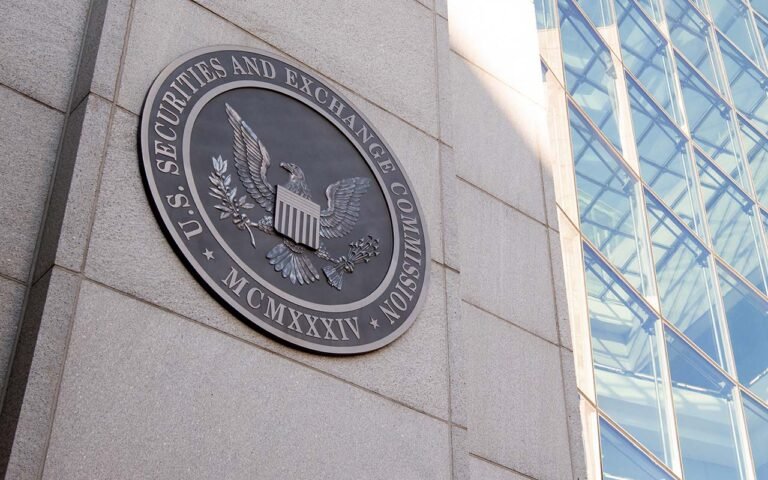
The debate around tokenized stocks took another turn this week after US Securities and Exchange Commission Commissioner Hester Peirce pushed back against expectations that the agency could broadly open the door to blockchain-based stock trading.
Peirce clarified that any future “innovation exemption” under discussion would likely apply only to digital versions of existing publicly traded equities — not synthetic tokens designed to mimic stock prices. Her remarks come after reports suggested the SEC was exploring a more flexible framework for tokenized securities.
The clarification has sparked fresh discussion across the crypto and financial sectors about how far regulators are willing to go in supporting tokenization.
SEC Draws a Line Around Synthetic Tokens
In comments shared on X, Peirce explained that any exemption being considered would probably remain narrow in scope. According to her, the focus would be on blockchain-based representations of real equities already trading in traditional markets.
That approach would exclude synthetic stock tokens that merely track prices without granting ownership rights. These products have become popular in some crypto markets because they allow users to gain exposure to stocks without directly owning shares.
Industry participants had raised concerns after reports suggested broader tokenization rules could emerge. Brett Redfearn warned that allowing third parties to tokenize stocks without issuer involvement could create fragmentation and confusion in ownership structures.
Tokenization Market Still Searching for Momentum
Despite growing interest, tokenized equities remain a relatively small corner of the digital asset market. Data from RWA.xyz estimates that roughly $1.48 billion worth of stocks currently exist onchain, including tokenized exposure tied to companies like Alphabet Inc. and crypto-linked firms.
The sector has long been viewed as a major future growth area for blockchain finance. Large institutions including Citibank and McKinsey & Company previously projected tokenization could evolve into a trillion-dollar industry before 2030.
However, adoption has moved slower than many early forecasts suggested, partly because of regulatory uncertainty and concerns around investor protections.
Crypto Firms Welcome Regulatory Clarity
Several executives in the tokenization space viewed Peirce’s comments positively, arguing that stricter standards could strengthen the market over time.
Robert Leshner said maintaining traditional investor protections while enabling blockchain-based trading could help decentralized finance expand responsibly.
Meanwhile, Carlos Domingo argued that limiting tokenization to legitimate underlying assets could reduce market risks and prevent excessive fragmentation.
Reports indicate the SEC has already gathered feedback from hundreds of industry participants as it evaluates potential rules for tokenized securities trading. Still, discussions remain ongoing, and regulators reportedly remain divided on how far the agency should go.
Also Read: SEC Delays Prediction Market ETFs: 5 Big Implications for Investors
Peirce’s remarks suggest the SEC is moving cautiously on tokenized stocks rather than embracing a wide-open crypto trading model. While blockchain-based equity trading may still advance in the US, regulators appear focused on preserving traditional market safeguards instead of allowing unrestricted synthetic asset creation.
For the tokenization industry, the message is becoming clearer: innovation may be welcomed, but only within carefully defined limits.
Disclaimer: The information in this article is for general purposes only and does not constitute financial advice. The author’s views are personal and may not reflect the views of Chain Affairs. Before making any investment decisions, you should always conduct your own research. Chain Affairs is not responsible for any financial losses.

I’m your translator between the financial Old World and the new frontier of crypto. After a career demystifying economics and markets, I enjoy elucidating crypto – from investment risks to earth-shaking potential. Let’s explore!