|
Getting your Trinity Audio player ready...
|
- Taiwan is evaluating Bitcoin as part of its national reserve diversification strategy.
- Lawmakers see Bitcoin as a hedge against geopolitical and financial system risks.
- The central bank remains cautious but is increasingly open to digital asset research.
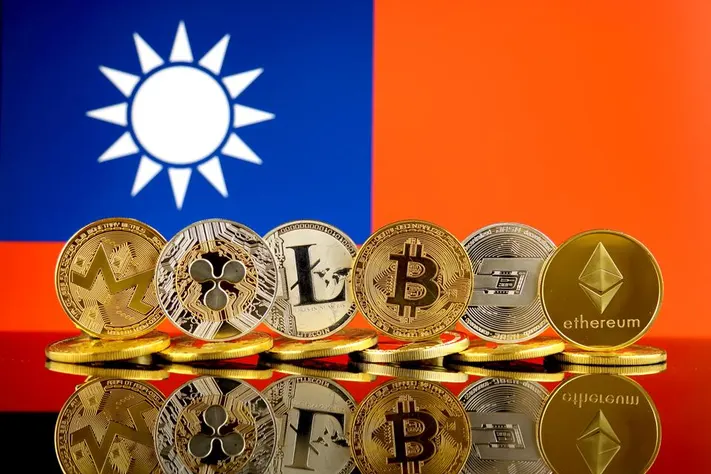
Taiwan is taking a notable step into the global crypto policy debate, with lawmakers now openly considering Bitcoin as part of the country’s national reserves. The proposal, introduced by Dr. Ko Ju-Chun, signals a shift from abstract discussions to concrete policy exploration—placing digital assets on the radar of top government officials.
Presented during a formal session to Premier Cho Jung-tai and Central Bank Governor Yang Chin-long, the recommendation could reshape how Taiwan manages risk in an increasingly uncertain geopolitical climate.
Why Taiwan Is Exploring a Bitcoin Reserve Strategy
Taiwan’s foreign exchange reserves stand at roughly $602 billion, with more than 80% held in U.S. dollar-denominated assets. While this has historically provided stability, it also exposes the country to concentration risks tied to global politics and currency fluctuations.
Dr. Ko’s proposal calls for diversifying a portion of these reserves into Bitcoin. The idea is not to replace traditional holdings, but to introduce a hedge that operates outside conventional financial systems. Lawmakers have also requested a fresh report from the central bank on stablecoins and broader digital asset strategies within a month.
This push reflects growing awareness that reliance on a single reserve framework may no longer be sufficient in today’s fragmented global economy.
Bitcoin’s Role as a Strategic Asset
Supporters of the proposal argue that Bitcoin offers unique advantages compared to traditional reserve assets like gold or fiat currencies. Its decentralized structure allows it to function independently of any single government or institution, making it resistant to seizure or external control.
In extreme scenarios—such as financial sanctions or disruptions to global banking systems—Bitcoin could remain accessible when other assets are not. This has led some policymakers to frame it not just as an investment, but as a potential tool for national resilience.
The involvement of the Bitcoin Policy Institute in backing the report further underscores the seriousness of the discussion at the policy level.
Central Bank Remains Cautious
Despite rising interest, Taiwan’s central bank is approaching the idea carefully. Officials previously dismissed Bitcoin as a reserve asset in 2025, citing concerns around price volatility, liquidity, and secure storage.
However, there are signs of a gradual shift. The bank has already experimented with digital assets through a controlled sandbox environment using seized Bitcoin. This suggests a willingness to study the technology more closely, even if full adoption remains uncertain.
Also Read: Why Taiwan Should Turn to Bitcoin Before a Crisis Hits
The proposal now moves to Taiwan’s executive branch and central bank for further evaluation. Their response will be closely watched, not only domestically but also by policymakers worldwide.
If Taiwan advances this strategy, it could set a precedent for how governments integrate Bitcoin into national financial planning—potentially influencing reserve management strategies far beyond its borders.
Disclaimer: The information in this article is for general purposes only and does not constitute financial advice. The author’s views are personal and may not reflect the views of Chain Affairs. Before making any investment decisions, you should always conduct your own research. Chain Affairs is not responsible for any financial losses.

I’m your translator between the financial Old World and the new frontier of crypto. After a career demystifying economics and markets, I enjoy elucidating crypto – from investment risks to earth-shaking potential. Let’s explore!