|
Getting your Trinity Audio player ready...
|
- Sui confirmed a mainnet network stall caused by validator-related issues.
- Blockchain explorer activity suggested transaction settlement froze for over an hour.
- The incident renewed concerns about reliability in high-speed Layer-1 networks.
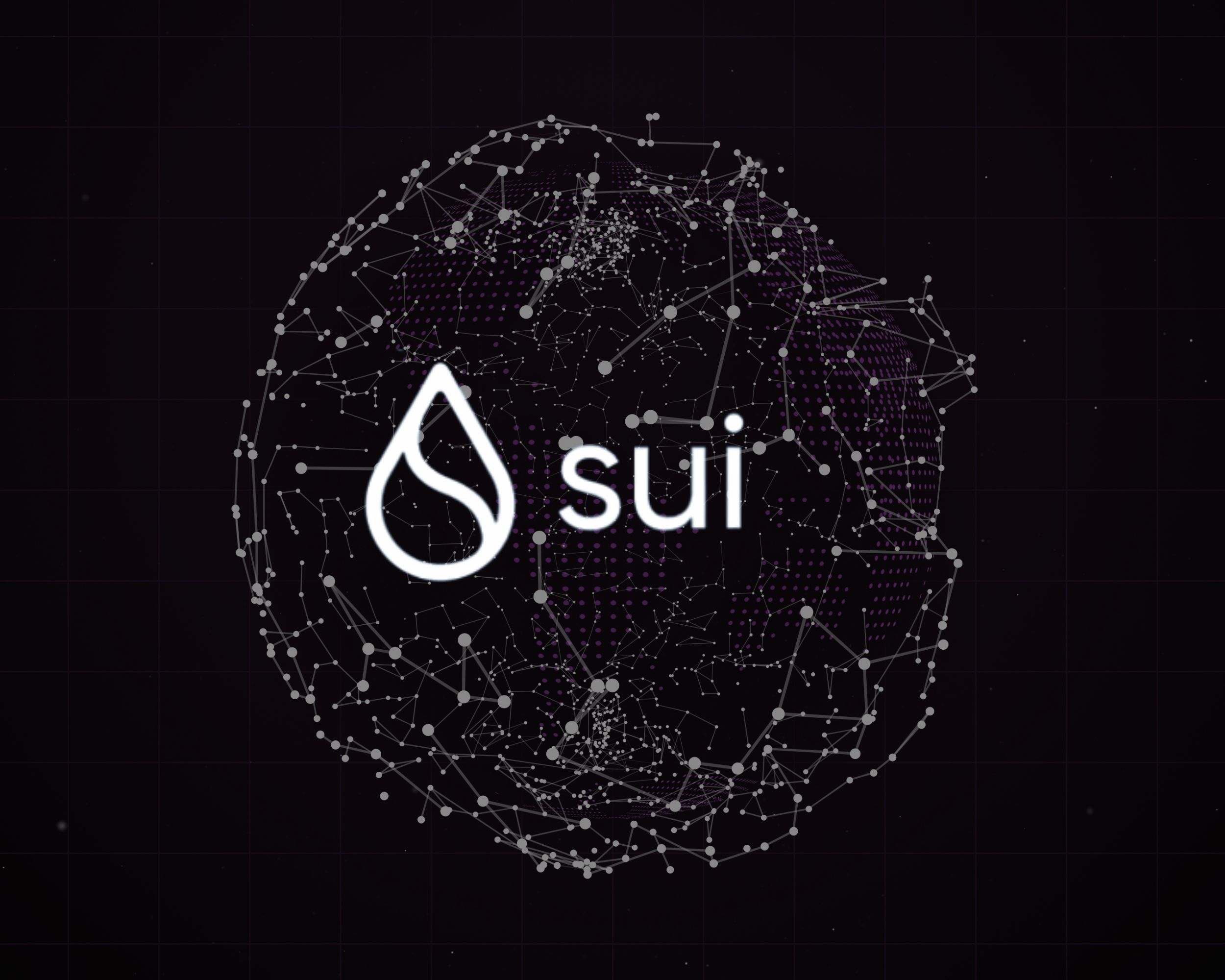
Layer-1 blockchain Sui confirmed on May 28 that its mainnet experienced a temporary network stall after validators encountered a significant outage that disrupted transaction processing and settlement activity.
The team acknowledged the issue publicly on X, warning users that transactions could be delayed while engineers investigated and deployed a fix. The disruption appeared to impact the blockchain’s settlement infrastructure rather than user-facing applications or RPC access points.
Sui’s public status page later classified the event as a “major outage” affecting mainnet validators and settlement operations.
The incident quickly drew attention across the crypto industry, especially as Sui has positioned itself as a high-speed blockchain focused on scalability and efficient transaction throughput.
Explorer Data Suggested Block Production Delays
During the outage window, activity on Sui’s blockchain explorer appeared largely frozen. Several system-level transactions displayed nearly identical timestamps, suggesting that normal block production and settlement progression had stalled.
Among the visible entries were consensus-related operations and programmable transactions that failed to update normally for more than an hour.

While the network slowdown raised concerns among users and traders, Sui stated that engineers had already identified the issue and were rolling out a solution. However, the project had not disclosed the root cause at the time of publication.
The disruption seemed isolated to the mainnet settlement layer. According to the status dashboard, Sui’s public RPC services, testnet infrastructure, and development networks remained operational throughout the incident.
Validator Reliability Back in Focus
The outage has renewed broader conversations about blockchain reliability, particularly among newer Layer-1 networks competing on speed and scalability.
Modern blockchain architectures often rely on increasingly complex validator coordination systems designed to process transactions faster and reduce network congestion. But those same optimizations can also introduce operational risks when validator infrastructure encounters failures.
Despite the disruption, Sui’s operational history has remained relatively stable overall. The project’s status page showed approximately 99.99% validator uptime over the past 90 days before the May 28 incident.
Still, even temporary network stalls can impact trader confidence, decentralized applications, and ecosystem activity during periods of elevated blockchain usage.
Also Read: New York Lawsuit Targets $285 Billion in Dormant Bitcoin — But Legal Experts Say It Can’t Work
Sui’s temporary network outage highlights the technical balancing act facing next-generation blockchains. As networks push for faster settlement speeds and higher throughput, maintaining stability under pressure remains a critical challenge.
While the issue appeared contained and recovery efforts were underway quickly, the incident serves as another reminder that scalability alone is not enough. Long-term adoption will depend equally on resilience, reliability, and consistent network performance.
Disclaimer: The information in this article is for general purposes only and does not constitute financial advice. The author’s views are personal and may not reflect the views of Chain Affairs. Before making any investment decisions, you should always conduct your own research. Chain Affairs is not responsible for any financial losses.

I’m your translator between the financial Old World and the new frontier of crypto. After a career demystifying economics and markets, I enjoy elucidating crypto – from investment risks to earth-shaking potential. Let’s explore!