- SEC is shifting attention from crypto assets to DeFi protocol design and governance.
- Bitcoin-backed lending continues to grow as investors seek liquidity without selling BTC.
- CeFi and DeFi lenders are evolving with new custody models and borrower protections.
The U.S. Securities and Exchange Commission (SEC) is broadening its regulatory attention beyond digital assets themselves, placing increasing focus on the decentralized finance (DeFi) systems that manage, lend, and generate returns from crypto.
Recent remarks from SEC Commissioner Hester M. Peirce suggest that regulators are no longer looking only at whether a cryptocurrency qualifies as a security. Instead, they are examining how DeFi protocols operate, how they allocate assets, distribute governance, and manage lending activity. The shift could reshape the regulatory landscape for crypto lending platforms and DeFi vaults.
SEC Signals Greater Scrutiny of DeFi Protocol Design
According to Peirce, moving financial services onto blockchain networks does not automatically place them outside U.S. securities laws. Rather than applying one rule to every protocol, regulators will evaluate each project individually based on its structure and operations.

For DeFi vaults, that means examining how funds are pooled, how yields are generated, and whether decision-making is centralized or decentralized. Lending protocols may also face review depending on how they establish interest rates, loan-to-value ratios, liquidation mechanisms, and other core lending functions.
This case-by-case approach indicates that future enforcement could focus as much on protocol architecture as on the underlying crypto assets.
Bitcoin-Backed Lending Continues to Expand
While regulators sharpen their focus, demand for Bitcoin-backed lending continues to grow. Many long-term BTC holders are seeking access to cash without selling their holdings, creating sustained interest in crypto-backed borrowing.
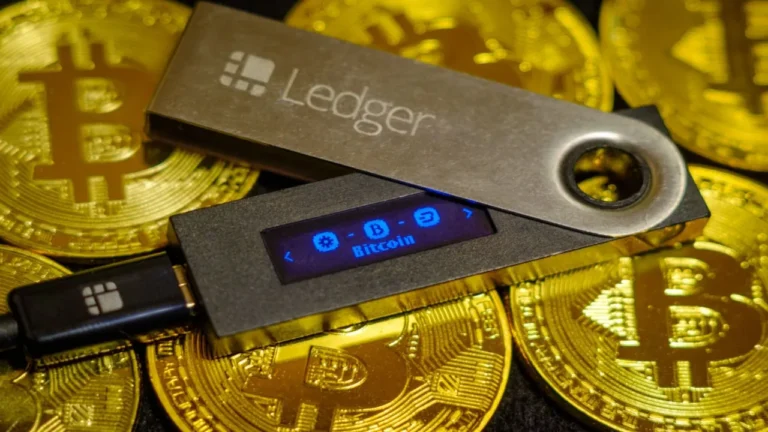
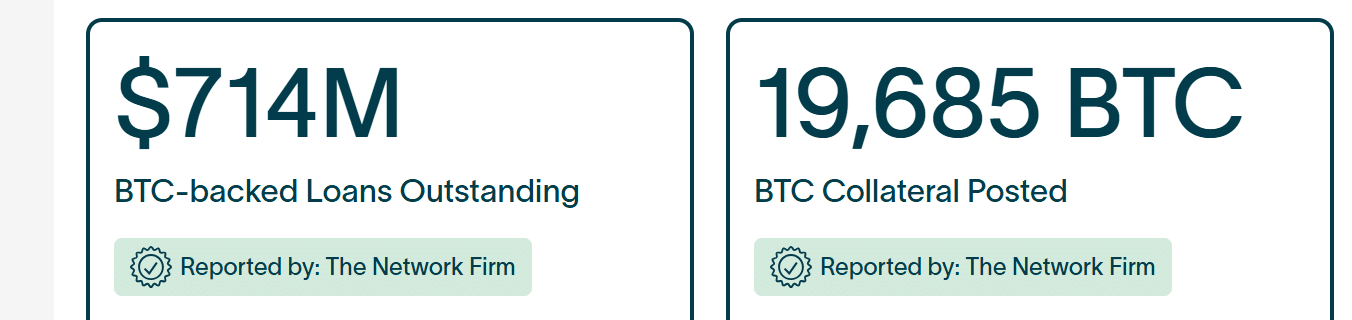
Platforms such as Ledn have reported hundreds of millions of dollars in active Bitcoin-backed loans, supported by substantial BTC collateral. The company has also processed billions of dollars in lending activity over recent years while keeping customer collateral separate from operational funds.
That model reflects a growing preference for custody practices designed to improve transparency and reduce counterparty risk.
CeFi and DeFi Markets Continue to Evolve
Crypto lenders are also differentiating themselves through risk management. Some platforms now offer lending products designed to avoid automatic liquidations during periods of high market volatility, giving borrowers greater flexibility in managing repayments.
Others are adopting multisignature custody systems that allow users to retain greater on-chain control over pledged assets.
Meanwhile, decentralized lending markets continue expanding beyond Bitcoin to include Ethereum and stablecoins as accepted collateral. As borrowing costs and utilization rates shift with market conditions, capital moves efficiently across DeFi ecosystems, while centralized lenders increasingly appeal to investors focused on preserving long-term Bitcoin exposure.
Also Read: SEC Faces New Pressure as Transfer Agents Push Limits on Tokenized Stocks
The SEC’s evolving approach signals that crypto regulation is entering a new phase. Rather than concentrating solely on digital assets, regulators are examining how decentralized financial infrastructure is built and governed. At the same time, rising demand for Bitcoin-backed lending highlights the industry’s continued evolution, with both centralized and decentralized platforms refining their models to meet changing investor needs and regulatory expectations.
Disclaimer: The information in this article is for general purposes only and does not constitute financial advice. The author’s views are personal and may not reflect the views of Chain Affairs. Before making any investment decisions, you should always conduct your own research. Chain Affairs is not responsible for any financial losses.

I’m your translator between the financial Old World and the new frontier of crypto. After a career demystifying economics and markets, I enjoy elucidating crypto – from investment risks to earth-shaking potential. Let’s explore!