|
Getting your Trinity Audio player ready...
|
- The CLARITY Act faces a critical July window as lawmakers race to secure Senate action.
- Major challenges include voting requirements, regulatory debates, and unresolved political concerns.
- Industry leaders believe compromise could still help the crypto bill advance in 2026.
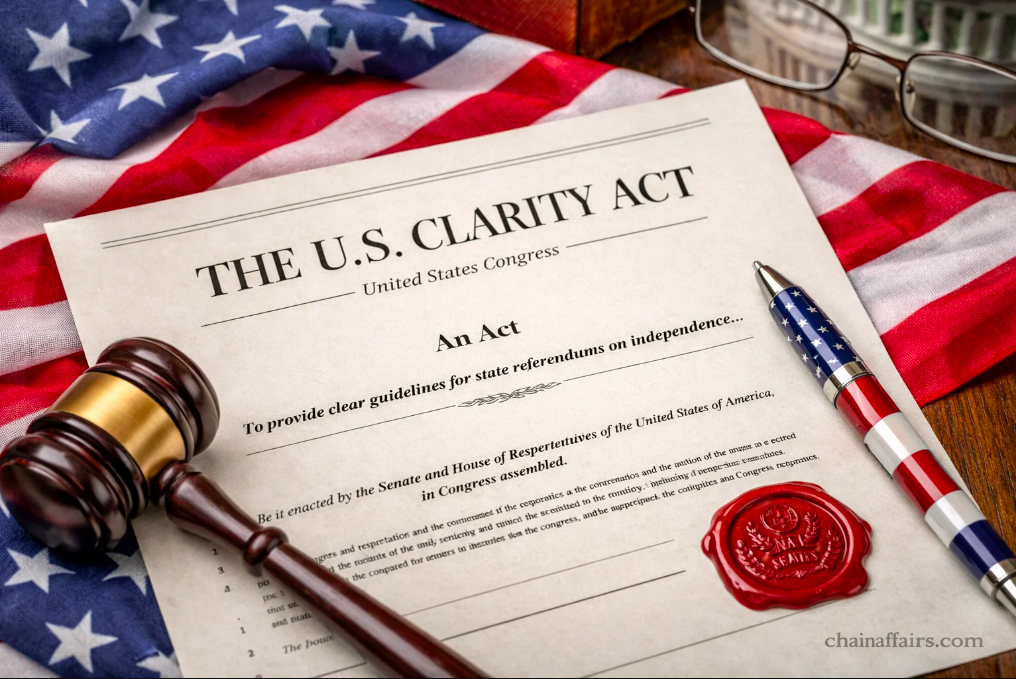
The future of U.S. crypto regulation could hinge on a narrow legislative window in July 2026 as lawmakers race to advance the CLARITY Act, a major bill designed to establish clearer rules for the digital asset industry. Senator Cynthia Lummis has renewed efforts to move the legislation forward, saying Senate negotiators are working toward finalizing compromise language before the July 4 recess.
The push comes as the crypto industry continues to seek regulatory certainty. However, despite growing support, the bill still faces political negotiations, procedural barriers, and disagreements over key policy issues before it can reach President-level approval.
Why July Could Decide the CLARITY Act’s Future
Timing has become one of the biggest challenges for the crypto regulation bill. The Senate has a limited period to act before lawmakers leave for their August recess, creating pressure for supporters to secure a vote quickly.
After returning on July 13, senators will have roughly 20 working days to move the legislation forward and coordinate with the House. If the Senate fails to act before the break, observers believe the opportunity for passage in 2026 could weaken significantly, potentially pushing major crypto market structure reforms into a later legislative cycle.
Journalist Eleanor Terrett reported that Republican lawmakers are increasing efforts to complete negotiations, with concerns growing that delays could reduce momentum around the bill.
Key Challenges Facing the Crypto Legislation
The CLARITY Act still has several hurdles before it can pass. Senate Majority Leader John Thune has not yet confirmed floor scheduling for the bill, meaning supporters must first secure time for debate and voting.
Another major challenge is reaching the Senate’s 60-vote threshold. Republicans may need support from at least seven Democratic senators to move the legislation ahead.
Several policy questions remain under discussion, including rules related to anti-money laundering protections, ethics concerns involving political figures and crypto interests, and whether certain crypto products should face banking-style oversight.
Democratic senators Ruben Gallego and Angela Alsobrooks previously supported the bill during committee review but indicated their final positions could depend on how lawmakers resolve these issues.
Lummis Defends Changes as Industry Watches Closely
Senator Lummis has highlighted updates aimed at addressing concerns around consumer protection and financial crime. The proposed legislation includes funding to strengthen efforts against crypto-related illegal activity and adjustments allowing crypto rewards programs while preventing them from operating like traditional interest-bearing bank accounts.
Lummis has also rejected criticism from JPMorgan CEO Jamie Dimon, arguing that some concerns are based on misunderstandings of the bill’s updated provisions.
Despite uncertainty, some industry figures remain hopeful. Miles Jennings of Andreessen Horowitz believes the deadline pressure could encourage compromise, while Kristin Smith of the Solana Policy Institute says lawmakers still have a realistic chance to advance the bill.
Also Read: $1 Billion Tax Fight? Gaming Groups Take Aim at Crypto Prediction Markets in CLARITY Act Battle
The CLARITY Act has entered a decisive stage as lawmakers attempt to balance political concerns with the demand for clearer crypto rules. July represents a crucial opportunity for supporters, but unresolved issues and Senate procedures could determine whether the legislation moves forward or faces another delay.
Disclaimer: The information in this article is for general purposes only and does not constitute financial advice. The author’s views are personal and may not reflect the views of Chain Affairs. Before making any investment decisions, you should always conduct your own research. Chain Affairs is not responsible for any financial losses.

I’m your translator between the financial Old World and the new frontier of crypto. After a career demystifying economics and markets, I enjoy elucidating crypto – from investment risks to earth-shaking potential. Let’s explore!