|
Getting your Trinity Audio player ready...
|
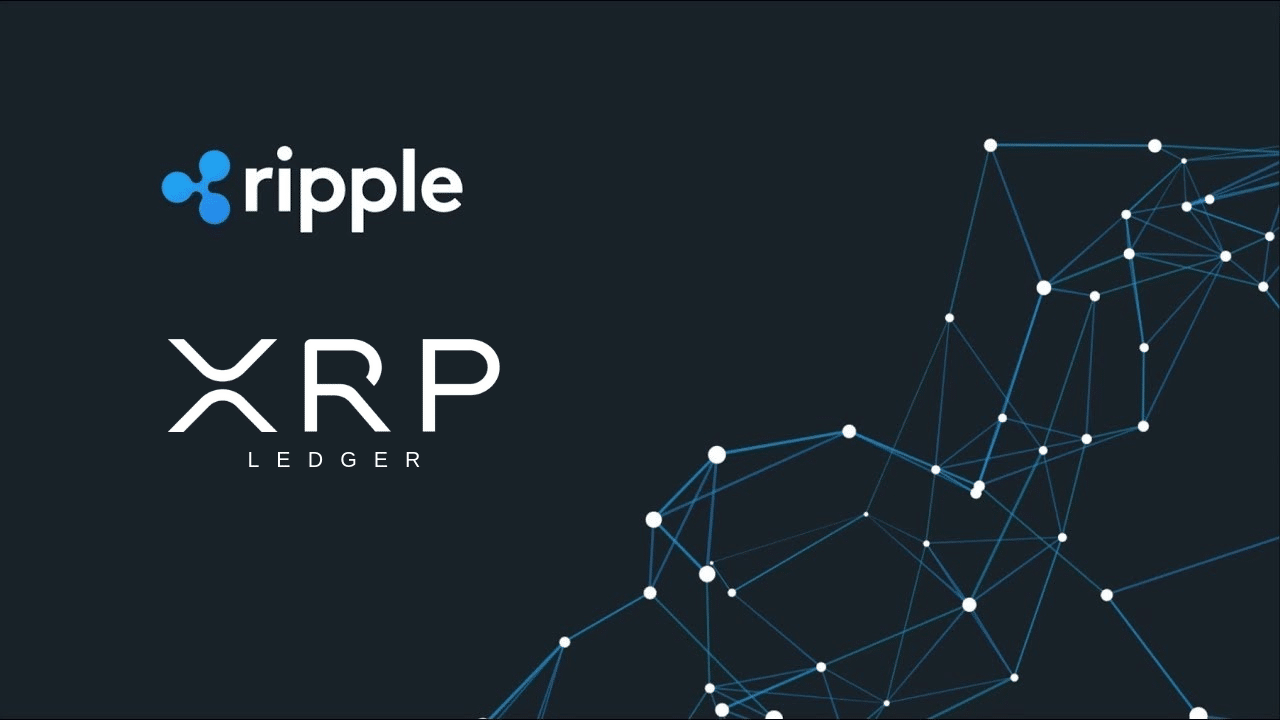
- XRP Ledger v3.2.0 introduced performance upgrades and renamed the core server software to xrpld.
- Developers reported issues involving syncing, configuration parsing, and network functions.
- No network-wide disruption has been reported as contributors continue reviewing bugs.
The latest XRP Ledger software upgrade was designed to improve performance, reduce memory usage, and strengthen security. However, shortly after the release of version 3.2.0 of the XRP Ledger core server software, developers and node operators began reporting several technical issues that have raised questions about the rollout.
The update introduced a major change by renaming the core server software from “rippled” to “xrpld,” marking a shift aimed at aligning the software more closely with the XRP Ledger ecosystem. While the upgrade brought expected improvements, some operators experienced problems during the early adoption phase.
Developers Report Sync and Configuration Problems
One of the main concerns came from a node operator who reported that the new xrpld 3.2.0 version was unable to properly synchronize with the XRP Ledger network. The same hardware had previously synced successfully using version 3.1.3, but after the upgrade, the server remained connected without downloading new ledger data.
Another reported issue involved configuration files containing inline comments. Developers found that certain comment formats could trigger crashes during parsing, resulting in a “BadLexicalCast” error. The problem appeared linked to how the older configuration parser handled specific single-value settings.
The XRP Ledger GitHub tracker has also recorded additional reports involving areas such as peer communication, message handling, transaction routing, resource management, and amendment processing. Many of these reports have been reviewed and categorized as bugs by maintainers.
More Technical Concerns Surface Across the Network
Beyond synchronization and configuration issues, developers identified several other potential flaws. One reported problem involved transaction relay calculations, which could affect how efficiently transactions are shared between network peers.
Other concerns included resource charging behavior, validator list distribution, possible unsigned integer overflow during ledger validation, and inconsistencies in transaction routing flags. Developers also highlighted issues related to ledger tracking that could leave some nodes in an uncertain state.
These findings do not indicate a network-wide failure. XRP Ledger contributors continue to review the reports through the open-source development process, and no major disruption has been reported so far.
Upgrade Adoption Continues Despite Early Challenges
Before launch, the xrpld 3.2.0 upgrade attracted attention because of expectations around improved efficiency, including potential memory reductions of around 30% to 40% and broader code optimizations.
However, early software releases often face real-world testing challenges as more operators adopt them. At the time of reporting, about 26% of XRP Ledger nodes had upgraded to the new version.
Also Read: XRP Ledger v3.2.0 Upgrade Explained: 7 Major Changes Reshaping XRPL Infrastructure
The ongoing review process will determine how quickly these issues are resolved and whether additional fixes are required. For the XRP Ledger community, the focus now remains on maintaining network reliability while improving the performance and security of the underlying technology.
Disclaimer: The information in this article is for general purposes only and does not constitute financial advice. The author’s views are personal and may not reflect the views of Chain Affairs. Before making any investment decisions, you should always conduct your own research. Chain Affairs is not responsible for any financial losses.

I’m a crypto enthusiast with a background in finance. I’m fascinated by the potential of crypto to disrupt traditional financial systems. I’m always on the lookout for new and innovative projects in the space. I believe that crypto has the potential to create a more equitable and inclusive financial system.