|
Getting your Trinity Audio player ready...
|
- Gumi will operate a 3 billion yen ($18.3M) Bitcoin and altcoin fund starting Saturday, backed by SBI Financial Services and Daiwa Securities Group.
- Gumi’s total crypto holdings nearly doubled to 14.13 billion yen over the past year, driven largely by its XRP position.
- A new policy report urges South Korea to issue interim stablecoin guidance and phase in rules ahead of its full Digital Asset Basic Act, citing the EU’s staggered MiCA rollout as a model.
Asia’s two largest crypto economies are moving in parallel this week, though from different directions. In Japan, gaming company Gumi is opening the door to institutional crypto investment with a new multi-million dollar fund. In South Korea, policymakers and legal experts are pushing to speed up stablecoin regulation rather than wait for a sweeping digital asset law to clear parliament. Together, the two developments point to a region increasingly comfortable treating digital assets as mainstream financial infrastructure — even as regulators and companies take very different paths to get there.
Gumi Bets Bigger on Crypto
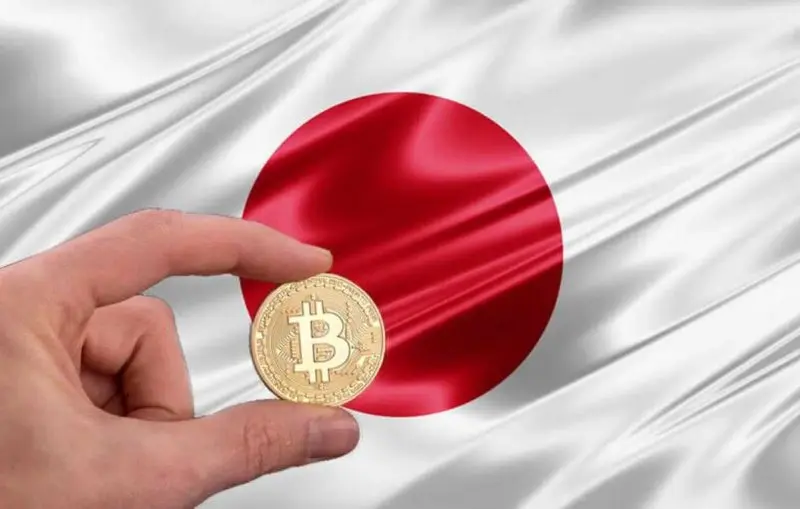
Gumi, a Tokyo-based game developer with a growing appetite for digital assets, will begin running a 3 billion yen (roughly $18.3 million) Bitcoin and altcoin fund starting Saturday. The vehicle is managed through SBI Crypto Fund, a joint venture majority-owned by SBI Financial Services, with Daiwa Securities Group among the backers providing capital.
The fund won’t just buy and hold. According to Gumi’s own disclosure, the strategy includes staking, rebalancing and hedging — a more active approach than the buy-and-forget model many corporate treasuries have used. Gumi frames the effort as groundwork for Japan’s corporate sector to engage more directly with crypto markets, and as a potential head start if regulators eventually lift the country’s ban on crypto exchange-traded funds.
This isn’t a one-off bet. Gumi’s crypto holdings, centered heavily on XRP, nearly doubled over the past year — climbing from 7.58 billion yen to 14.13 billion yen as of April 30, 2026. Combined with its portfolio management arm, Hinode Technologies, and other investment funds, crypto has quietly become a core part of Gumi’s business rather than a side project.
South Korea Debates Speed Over Completeness
Across the Sea of Japan, South Korea is wrestling with a different problem: how to regulate stablecoins without waiting years for a full legislative overhaul. A policy report from Hashed Open Research and the Solana Policy Institute, summarizing a June symposium, argues Seoul should issue interim licensing guidance and phase in stablecoin rules ahead of finishing its Digital Asset Basic Act.
Lawmakers remain split on how issuance should work. One idea floated by Democratic Party lawmaker Ahn Dogeol would let banks keep majority ownership of stablecoin issuers while fintech firms handle day-to-day operations — a compromise aimed at satisfying both financial stability concerns and innovation demands.
Legal experts at the symposium also pointed to Europe’s approach as a model. Bae, Kim & Lee partner Kim Hyobong suggested South Korea mirror the EU’s staggered rollout of its Markets in Crypto-Assets framework, tackling stablecoin rules first rather than bundling everything into one law.
Also Read: Bloomberg Investigation Reveals How Tether May Have Influenced the GENIUS Act
What It Signals for the Region
Neither story is dramatic on its own, but together they show two governments and their private sectors converging on the same conclusion: crypto infrastructure needs real rules and real capital, not just speculation. Japan is testing what regulated institutional investment looks like in practice. South Korea is trying to avoid regulatory paralysis while lawmakers argue over the details. How both play out could shape how the rest of Asia approaches digital assets over the next few years.
Disclaimer: The information in this article is for general purposes only and does not constitute financial advice. The author’s views are personal and may not reflect the views of Chain Affairs. Before making any investment decisions, you should always conduct your own research. Chain Affairs is not responsible for any financial losses.

I’m your translator between the financial Old World and the new frontier of crypto. After a career demystifying economics and markets, I enjoy elucidating crypto – from investment risks to earth-shaking potential. Let’s explore!