|
Getting your Trinity Audio player ready...
|
- SEC proposed removing rules that may limit blockchain-based stock trading.
- New regulations could make tokenized equities more compatible with DeFi platforms.
- The proposal is still under review and faces questions from traditional markets.
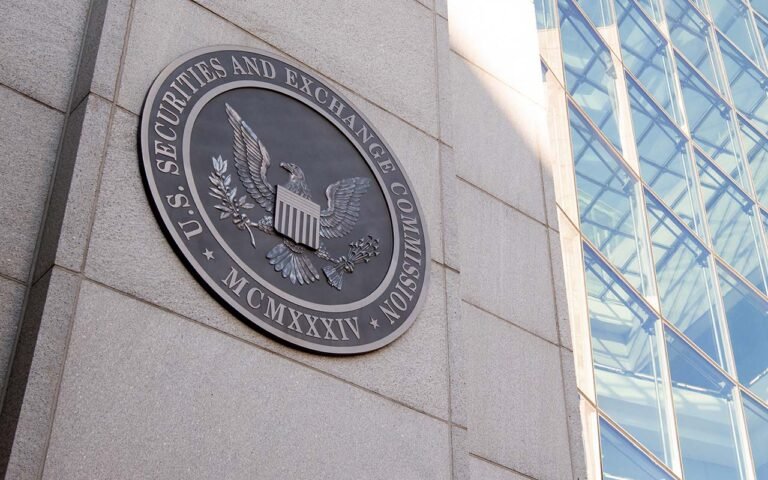
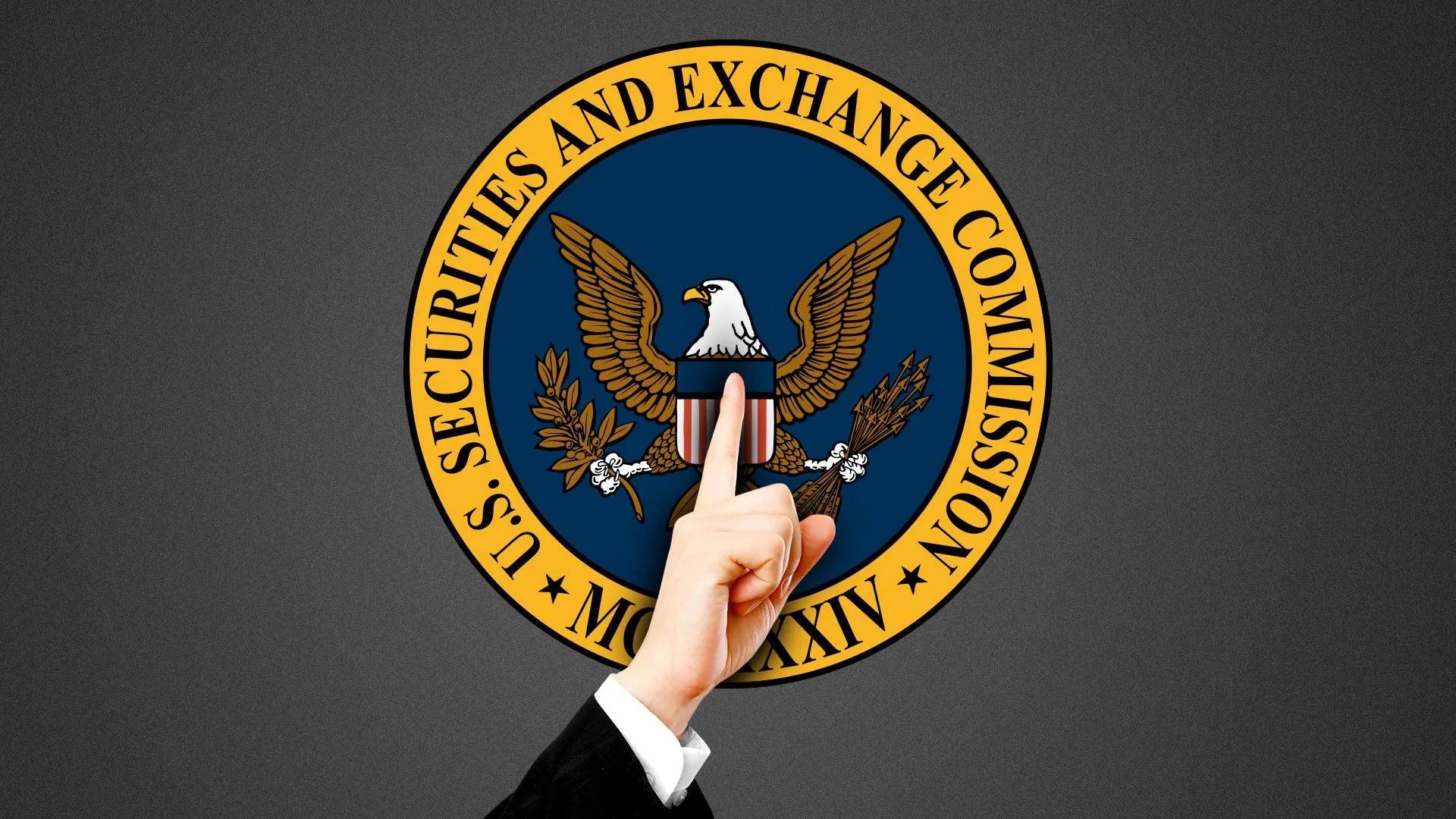
The US Securities and Exchange Commission (SEC) is considering a major shift that could reshape the future of tokenized US stocks and blockchain-based trading. The regulator’s proposal to remove key market structure rules may eliminate a long-standing obstacle preventing tokenized equities from operating smoothly in decentralized finance (DeFi) environments.
The move has drawn attention from crypto researchers and market participants who believe it could create new opportunities for blockchain-powered stock trading. However, the proposal is still under review, and questions remain about how traditional exchanges and regulators will adapt.
SEC Targets Market Rules Blocking Tokenized Stock Growth
The SEC has proposed removing two rules within its National Market System framework: Rule 611, which prevents trades from being executed at worse prices available on another exchange, and Rule 610(e), which limits exchanges from showing inferior price quotes.
These rules were designed to protect investors by promoting fair pricing across US markets. However, critics argue they create challenges for decentralized systems, especially automated market makers (AMMs), which are central to many crypto trading platforms.
Galaxy’s head of research, Alex Thorn, said the changes could become one of the biggest developments for tokenized stocks because current regulations make it difficult for blockchain-based trading systems to comply.
Why DeFi Platforms Struggle With Traditional Stock Rules
Unlike traditional exchanges, AMMs use liquidity pools and algorithms to determine prices rather than matching buyers and sellers through order books. Because prices can change constantly, these systems may execute trades at pool-based prices even when another market offers a different quote.
Thorn explained that under current rules, tokenized stock platforms using AMMs could repeatedly violate trade-through requirements because they cannot automatically prevent trades when another platform has a better price.
A possible replacement could be a “best execution” standard, which may give blockchain-based platforms more flexibility while still aiming to protect investors.
Tokenized Equities Could Gain Momentum, But Approval Is Not Guaranteed
The SEC’s proposal will enter a 60-day public comment period before the agency reviews feedback and decides whether changes are needed. The outcome could influence how quickly tokenized stocks develop in the United States.
The move follows broader efforts by the SEC to create clearer rules around digital assets and blockchain technology. The agency has been exploring ways to modernize financial regulations while balancing innovation with investor protection.
Reports also suggested the SEC was preparing a framework for tokenized stock trading but delayed progress after concerns from traditional stock exchanges about implementation.
Also Read: Paxos Becomes First Blockchain-Native Firm Approved by SEC as Clearing Agency
The SEC’s proposed rule changes could mark an important step toward connecting traditional equities with blockchain-based markets. If approved, the shift may remove barriers that have limited tokenized US stocks in DeFi. Still, regulators, exchanges, and crypto platforms will need to address practical challenges before widespread adoption becomes reality.
Disclaimer: The information in this article is for general purposes only and does not constitute financial advice. The author’s views are personal and may not reflect the views of Chain Affairs. Before making any investment decisions, you should always conduct your own research. Chain Affairs is not responsible for any financial losses.

I’m your translator between the financial Old World and the new frontier of crypto. After a career demystifying economics and markets, I enjoy elucidating crypto – from investment risks to earth-shaking potential. Let’s explore!