|
Getting your Trinity Audio player ready...
|
- Plaintiffs want Tether to release $344M in frozen USDT tied to sanctioned IRGC-linked wallets.
- The lawsuit challenges how much control stablecoin issuers have over user funds.
- The case could set a major precedent for crypto sanctions enforcement in the U.S.
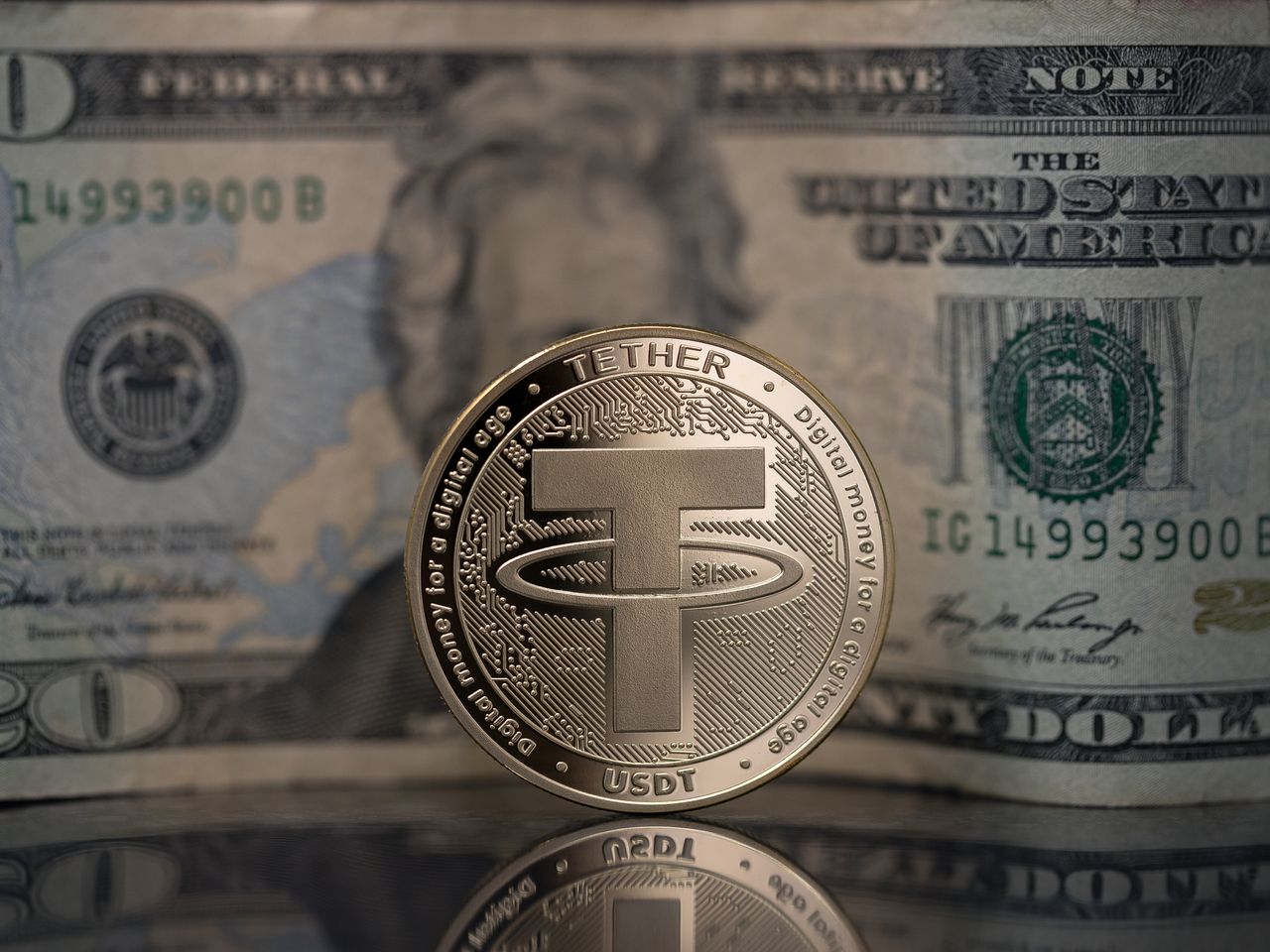
A group of terrorism victims and their families has launched a new legal challenge against Tether, seeking control of more than $344 million in frozen USDT tied to wallets sanctioned by the U.S. government for alleged links to Iran’s Islamic Revolutionary Guard Corps (IRGC).
The lawsuit, filed in Manhattan federal court, could become a major test of how much authority stablecoin issuers have over digital assets once they are frozen under U.S. sanctions laws.
Plaintiffs Seek Access to Frozen USDT
Attorney Charles Gerstein filed the case in the U.S. District Court for the Southern District of New York on behalf of plaintiffs holding longstanding U.S. judgments against Iran related to terrorism claims.
According to the filing, the plaintiffs are targeting two Tron blockchain wallets containing roughly 344 million USDT. Earlier this year, the wallets were sanctioned and frozen by the U.S. Treasury Department’s Office of Foreign Assets Control (OFAC), which identified them as connected to the IRGC.
The lawsuit asks the court to compel Tether to transfer an equivalent amount of USDT from the frozen wallets into a wallet controlled by the plaintiffs’ legal representatives.
Among the claimants are survivors and relatives connected to past terrorist attacks allegedly linked to Iran-backed groups, including family members affected by a 1997 Hamas suicide bombing in Jerusalem.
Legal Focus Shifts to Tether’s Control Over USDT
The dispute centers on the structure of USDT and Tether’s operational control over its stablecoin network.
Unlike decentralized cryptocurrencies such as Bitcoin or Ethereum, USDT can be frozen or reissued by Tether. The plaintiffs argue that because Tether already blocked the wallets following OFAC sanctions, the company has demonstrated direct control over the assets.
Gerstein argued in the filing that this control means Tether could also be ordered by the court to move the funds.
The case may set an important precedent for whether courts can require stablecoin issuers to redirect frozen crypto assets to creditors under terrorism-related judgments.
Broader Crypto Enforcement Pressure Builds
The lawsuit is part of a wider legal campaign targeting crypto platforms capable of freezing or redirecting blockchain assets. Gerstein has reportedly pursued similar actions involving alleged North Korea-linked cyber activity and privacy-focused crypto protocols.
The legal pressure also arrives after Tether previously froze wallets associated with Iranian crypto exchange Wallex during heightened tensions between the U.S. and Iran.
As regulators and courts increasingly scrutinize centralized stablecoin issuers, the outcome of this case could influence how sanctioned digital assets are handled across the crypto industry.
Also Read: Tether, TRON Freeze $450M in Criminal Crypto Funds as Illicit Flows Surge
The $344 million USDT dispute highlights the growing intersection between cryptocurrency, sanctions enforcement, and international terrorism claims. While decentralized assets were designed to resist centralized control, stablecoins like USDT operate differently — and courts are now testing just how far that control extends.
The case against Tether may ultimately shape future legal standards for frozen crypto assets, especially when national security and sanctions enforcement are involved.
Disclaimer: The information in this article is for general purposes only and does not constitute financial advice. The author’s views are personal and may not reflect the views of Chain Affairs. Before making any investment decisions, you should always conduct your own research. Chain Affairs is not responsible for any financial losses.

I’m your translator between the financial Old World and the new frontier of crypto. After a career demystifying economics and markets, I enjoy elucidating crypto – from investment risks to earth-shaking potential. Let’s explore!