|
Getting your Trinity Audio player ready...
|
- Tether filed seven trademarks in South Korea, including branding tied to XAUT.
- The move comes as South Korea prepares stricter stablecoin regulations.
- Tether and Circle are competing for dominance in Asia’s digital payments market.
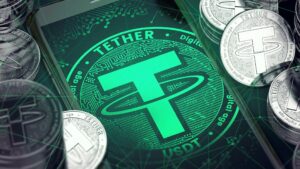
Tether is taking fresh steps to strengthen its position in South Korea after filing seven new trademark applications tied to its brand and digital asset products. The filings include protections for the company’s name, official logo, and its gold-backed token Tether Gold, signaling a broader expansion strategy in one of Asia’s most active crypto markets.
The move comes as South Korea prepares tighter regulations for stablecoins under the next phase of its Digital Asset Basic Act, a framework expected to reshape how foreign crypto firms operate in the country.
Tether Expands Brand Protection Strategy
According to records from South Korea’s intellectual property system, Tether’s latest filings represent a noticeable shift in strategy. In the past, the company largely focused on trademarking individual token products. This time, however, the filings extend to core corporate branding assets as well.
Industry observers believe the change suggests Tether may be preparing for a more formal and permanent business presence in South Korea. The applications were reportedly submitted on May 19, adding momentum to speculation that the company wants to secure its footing before new compliance requirements take effect.
South Korea remains one of the world’s busiest cryptocurrency trading markets, making it a critical battleground for stablecoin issuers looking to expand globally.
Stablecoin Regulation Race Intensifies
The timing of Tether’s filings is significant because lawmakers in South Korea are actively discussing stricter oversight for foreign stablecoin companies. Proposed rules could require overseas issuers to establish a local entity or branch before offering stablecoin services to Korean users.
That potential regulatory shift has already attracted attention from rivals. Circle, the company behind USDC, filed multiple trademarks in South Korea last year and has been actively building local partnerships.
Competition between the two stablecoin giants is growing beyond trading volumes. Market participants increasingly see stablecoins as infrastructure for payments, remittances, and digital banking services.
Tether Eyes Cross-Border Payments Market
Tether’s ambitions in South Korea appear to extend beyond crypto exchanges. The company is reportedly exploring opportunities tied to the country’s export-driven economy, where businesses frequently move funds across borders.
Blockchain-based settlement systems could offer faster and cheaper alternatives to traditional payment networks like SWIFT, particularly for international transactions.
Earlier this year, Circle CEO Jeremy Allaire also visited South Korea to discuss partnerships with banks and crypto platforms, highlighting how aggressively stablecoin firms are pursuing the region.
Also Read: Tether Sued Over $344M Frozen USDT Linked to Iran’s IRGC
Tether’s trademark filings may look administrative on the surface, but they reflect a larger battle unfolding in the global stablecoin market. As South Korea moves toward stricter regulation, companies are racing to secure legal protections, local partnerships, and long-term market access.
The latest filings suggest Tether wants to position itself not just as a crypto trading tool, but as a future player in digital payments and financial infrastructure across Asia.
Disclaimer: The information in this article is for general purposes only and does not constitute financial advice. The author’s views are personal and may not reflect the views of Chain Affairs. Before making any investment decisions, you should always conduct your own research. Chain Affairs is not responsible for any financial losses.

I’m a crypto enthusiast with a background in finance. I’m fascinated by the potential of crypto to disrupt traditional financial systems. I’m always on the lookout for new and innovative projects in the space. I believe that crypto has the potential to create a more equitable and inclusive financial system.