|
Getting your Trinity Audio player ready...
|
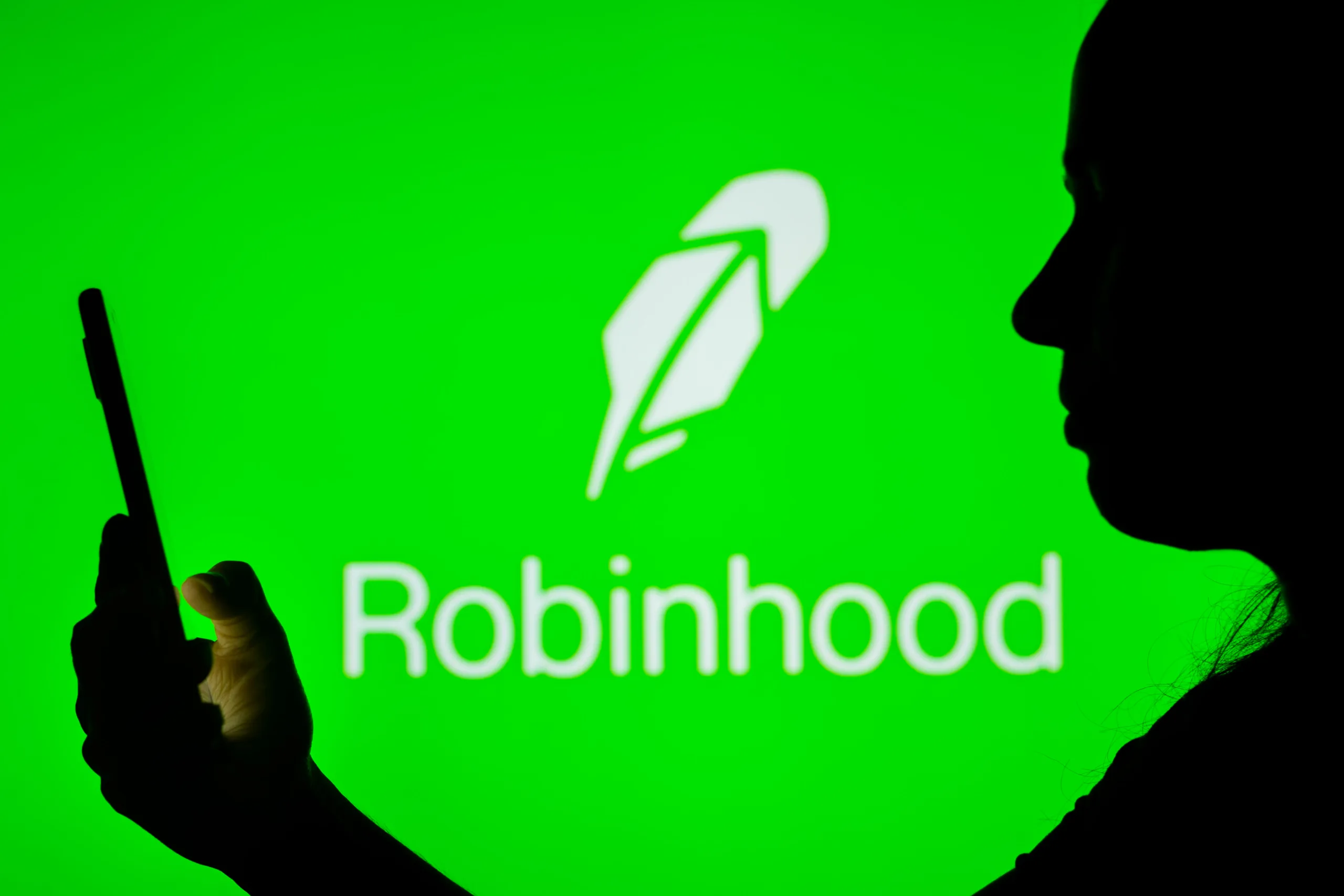
- Robinhood CEO Vlad Tenev believes tokenized real-world assets will power crypto’s next growth cycle.
- Institutional investment continues accelerating adoption of RWA-focused blockchain projects like Chainlink, Stellar, Ondo Finance, and Algorand.
- Claims that XRP trades at higher prices on private institutional ledgers remain unverified and speculative.
The cryptocurrency market may be entering a new phase as attention shifts from speculative tokens toward blockchain-based financial infrastructure. Robinhood CEO Vlad Tenev believes tokenized real-world assets (RWAs) will drive the industry’s next wave of growth, while a separate theory circulating in the XRP community continues to spark debate about the token’s long-term valuation.
Although both narratives point toward greater institutional adoption of blockchain technology, one is supported by growing market activity while the other remains largely speculative.
Robinhood CEO Predicts a Shift Toward Tokenized Assets
Speaking in a recent interview, Robinhood CEO Vlad Tenev argued that crypto’s future lies in assets backed by real economic value rather than short-lived speculation.
According to Tenev, blockchain technology is gradually evolving into the infrastructure behind traditional finance. He expects products such as stocks, private equity, futures, and other financial instruments to be issued and traded on-chain through tokenization.
While reaffirming Bitcoin’s importance in the digital asset ecosystem, Tenev questioned the long-term sustainability of millions of memecoins that lack practical use cases. His comments reflect a growing belief that utility-driven blockchain projects could outperform purely speculative assets over time.
Institutional Interest Is Accelerating the RWA Market
The real-world asset sector has become one of the fastest-growing areas in crypto as major financial firms continue exploring tokenization.
Industry estimates place the RWA market capitalization at nearly $64 billion, while hundreds of billions of dollars in tokenized assets are already represented on public blockchains. Large institutions including BlackRock are expanding their tokenization initiatives, and several analysts forecast the sector could reach trillions of dollars by the end of the decade.
Several blockchain projects are emerging as leaders in this space:
- Stellar (XLM) continues expanding its financial asset tokenization ecosystem.
- Chainlink (LINK) provides critical oracle infrastructure connecting blockchain networks with real-world data.
- Ondo Finance (ONDO) focuses on bringing tokenized U.S. financial products on-chain.
- Algorand (ALGO) enables businesses to issue tokenized assets directly on its blockchain.
These projects are increasingly viewed as potential beneficiaries if institutional adoption continues to accelerate.
XRP Community Theory Draws Attention
At the same time, a separate discussion has gained momentum among XRP supporters.
Some community members argue XRP could already be trading at substantially higher prices on private institutional ledgers than on public exchanges. The theory references historical exchange price glitches, including a widely discussed incident in 2022 that briefly displayed XRP near $1,000.
Supporters also point to comments from former Ripple executive Bob Way, who previously described XRP as a potential bridge asset capable of connecting global currencies and financial markets. They argue such a role would require a much higher valuation to efficiently support international liquidity.
Additional discussion centers on XRP Ledger’s recent growth in tokenized real-world assets and expanding activity involving RLUSD, alongside Ripple’s continued presence in cross-border payment initiatives.
Despite growing discussion, there is currently no verified evidence that XRP trades privately at prices different from those available on public exchanges.
The institutional-ledger theory remains speculative, and no official confirmation has been provided by Ripple or participating financial institutions.
Also Read: Robinhood Stock Soars 7%: Wall Street Predicts Massive Rally to $135
Still, both conversations highlight a broader trend: investors are increasingly focusing on blockchain networks capable of supporting real financial infrastructure rather than speculation alone. Whether through tokenized real-world assets or enterprise payment systems, utility appears to be becoming a central theme in crypto’s next stage of development.
Disclaimer: The information in this article is for general purposes only and does not constitute financial advice. The author’s views are personal and may not reflect the views of Chain Affairs. Before making any investment decisions, you should always conduct your own research. Chain Affairs is not responsible for any financial losses.

I’m your translator between the financial Old World and the new frontier of crypto. After a career demystifying economics and markets, I enjoy elucidating crypto – from investment risks to earth-shaking potential. Let’s explore!