|
Getting your Trinity Audio player ready...
|
- Kelp DAO suffered a $292M exploit, the largest crypto hack of 2026 so far.
- Cross-chain vulnerabilities and poor configuration played a central role in the breach.
- North Korea-linked hackers are expanding tactics using AI and social engineering.
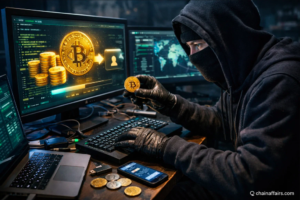
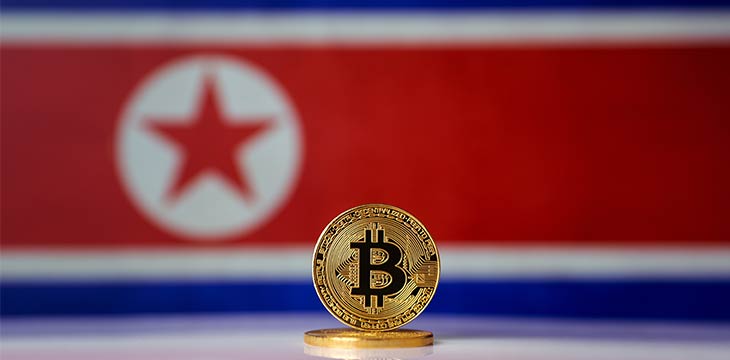
The decentralized finance (DeFi) sector is facing renewed scrutiny after Kelp DAO suffered a $292 million exploit, now the largest crypto hack of 2026. Early investigations suggest ties to North Korea-linked cyber actors, highlighting a growing pattern of sophisticated, state-backed attacks targeting blockchain infrastructure.
The breach not only surpasses the recent Drift Protocol exploit but also underscores how vulnerabilities beyond smart contracts—particularly cross-chain systems—are becoming prime targets.
Cross-Chain Weaknesses Exposed
According to Kelp DAO, the attack originated from a failure in cross-chain messaging tied to LayerZero infrastructure. The issue stemmed from reliance on a single verifier setup, which attackers allegedly exploited to authorize malicious transactions.
LayerZero acknowledged that the configuration created a “single point of trust,” making it easier for bad actors to manipulate cross-chain communications. This incident reinforces growing concerns that interoperability solutions, while essential for blockchain growth, introduce complex security risks.
Blockchain investigator Tanuki42 linked the exploit to TraderTraitor, a subgroup of the infamous Lazarus Group. Stolen funds have reportedly been mixed with assets from previous major breaches, complicating recovery efforts.

North Korea’s Expanding Crypto Playbook
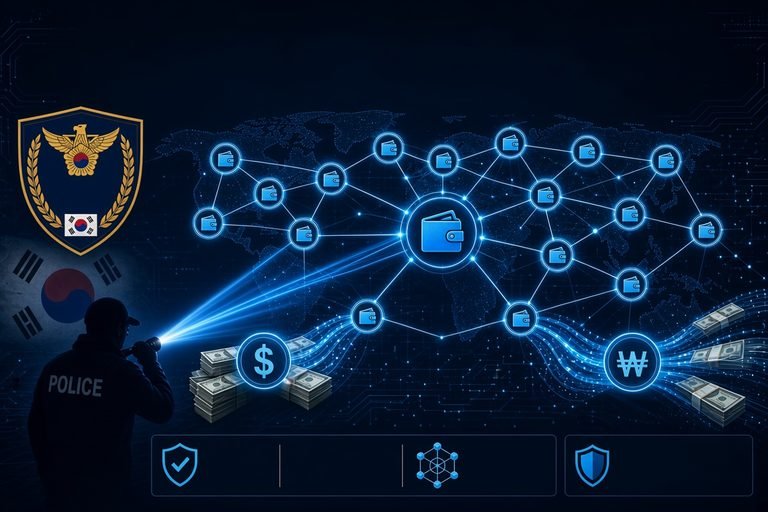
The Kelp DAO exploit is part of a broader surge in cyber activity attributed to North Korean operatives. Combined with the $285 million Drift hack earlier in April, suspected DPRK-linked thefts have surpassed $578 million in just weeks.

These actors are no longer relying solely on technical exploits. Reports show they are increasingly using social engineering, fake job schemes, and even AI-driven tactics to infiltrate organizations. In one case, attackers posed as a trading firm at a crypto conference, building trust with developers before launching an attack.
Authorities, including the Federal Bureau of Investigation, warn that these methods are also spilling into retail scams. Crypto-related fraud complaints rose sharply in 2025, with billions in reported losses—many tied to investment schemes and phishing attacks.
Industry Divided Over Fund Freezes
In response to the Kelp DAO hack, the Arbitrum Security Council froze over 30,000 ETH linked to the exploit. While the move likely prevented further losses, it has reignited debate over decentralization versus intervention.
Some industry leaders argue that such actions undermine the core principles of blockchain neutrality. Others contend that, given the scale and sophistication of attacks, intervention is necessary to protect users and maintain trust.
The incident highlights a deeper issue: modern crypto attacks are shifting from code-level bugs to infrastructure and governance weaknesses.
Security experts warn that the threat landscape is only getting more complex. AI-powered phishing, deepfakes, and automated exploit tools are expected to drive the next wave of attacks.
Also Read: US Treasury Sanctions North Korean Crypto Fraud Network — 21 Wallets Blacklisted
At the same time, AI is also emerging as a defensive tool, helping identify vulnerabilities faster. Still, experts advise investors to take precautions, including verifying transaction details and using cold wallets for long-term storage.
The Kelp DAO hack marks a turning point for crypto security in 2026. As attackers evolve, the industry faces a difficult balancing act between maintaining decentralization and implementing safeguards. Without stronger infrastructure and vigilance, large-scale exploits may continue to define the sector’s trajectory.
Disclaimer: The information in this article is for general purposes only and does not constitute financial advice. The author’s views are personal and may not reflect the views of Chain Affairs. Before making any investment decisions, you should always conduct your own research. Chain Affairs is not responsible for any financial losses.

I’m a crypto enthusiast with a background in finance. I’m fascinated by the potential of crypto to disrupt traditional financial systems. I’m always on the lookout for new and innovative projects in the space. I believe that crypto has the potential to create a more equitable and inclusive financial system.