|
Getting your Trinity Audio player ready...
|
- Google is investing up to $185B to build infrastructure for autonomous AI systems.
- AI competition is shifting from models to large-scale infrastructure.
- New York is cracking down on prediction markets, labeling them as unlicensed gambling.
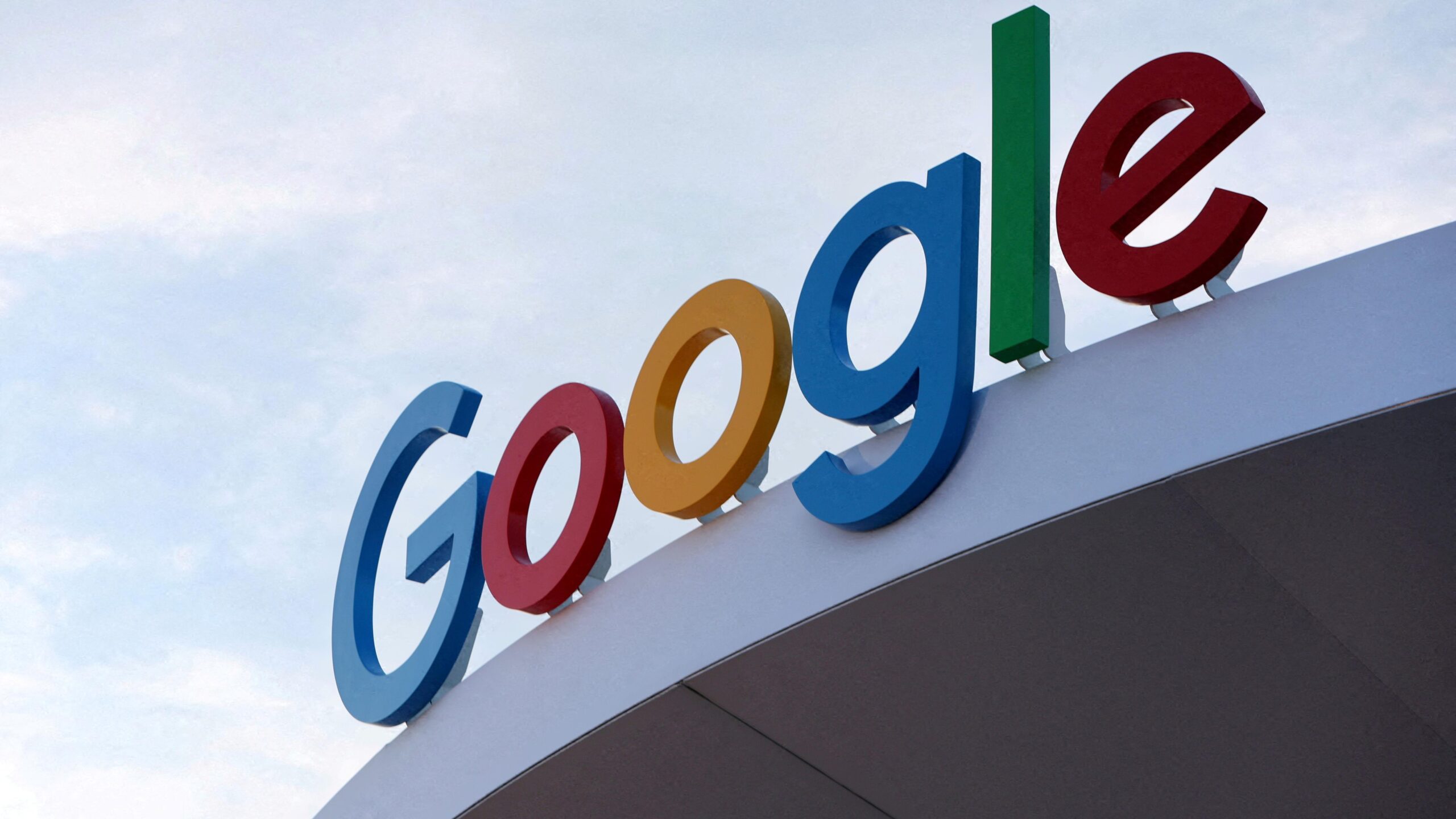
The race to define the next phase of artificial intelligence is accelerating—and it’s no longer just about better models. At Google’s Cloud Next event, CEO Sundar Pichai outlined a staggering investment plan of up to $185 billion this year, signaling a decisive shift toward what he calls the “agentic era” of AI. At the same time, regulators in New York are tightening their grip on emerging digital markets, suing Coinbase and Gemini over prediction-based trading platforms.
Together, these developments highlight a broader trend: the future of tech will be shaped as much by infrastructure and regulation as by innovation itself.
Google Pushes Into the “Agentic Era” of AI
Pichai’s remarks point to a fundamental shift in how AI is being developed and deployed. Instead of focusing solely on tools that generate text or images, Google is investing heavily in systems designed to act autonomously—AI agents capable of completing tasks with minimal human input.
This pivot requires massive infrastructure. Data centers, advanced chips, networking systems, and energy resources are now at the core of AI competition. Google’s planned spending—up from $31 billion in 2022—underscores how quickly the stakes have escalated.
The message is clear: the next wave of AI innovation will depend less on breakthroughs in algorithms and more on the ability to scale and sustain these systems globally.
Infrastructure Becomes the New AI Battleground
As AI systems grow more complex and persistent, infrastructure is emerging as the defining factor in the race for dominance. Companies are no longer just competing on model performance; they are competing on who can build and maintain the backbone of AI at scale.
For Google, this means laying the groundwork for systems that can operate continuously and independently, potentially reshaping industries from cloud computing to enterprise automation.
New York Targets Prediction Markets as Gambling
While Big Tech ramps up investment, regulators are drawing clearer boundaries. New York Attorney General Letitia James has filed lawsuits against Coinbase and Gemini, arguing that their event-based trading platforms amount to unlicensed gambling.
The state contends that contracts tied to outcomes—such as sports or elections—are essentially wagers, regardless of how they are branded. The lawsuits also raise concerns about age restrictions and tax compliance, claiming the platforms allowed underage participation and bypassed regulatory obligations.
The legal battle reflects a deeper conflict over who governs emerging financial products. While companies like Coinbase argue for federal oversight, New York is asserting its authority at the state level.
Also Read: Google Researchers Uncover Massive iPhone Hack Targeting MetaMask & Uniswap Users
This tension mirrors the broader tech landscape: rapid innovation on one side, and increasingly assertive regulation on the other.
Google’s massive AI investment and New York’s legal action against prediction markets reveal two sides of the same story. As technology pushes forward into more autonomous and complex systems, the rules governing it are being rewritten in real time. The outcome will likely shape not just the future of AI, but the structure of digital markets worldwide.
Disclaimer: The information in this article is for general purposes only and does not constitute financial advice. The author’s views are personal and may not reflect the views of Chain Affairs. Before making any investment decisions, you should always conduct your own research. Chain Affairs is not responsible for any financial losses.

I’m your translator between the financial Old World and the new frontier of crypto. After a career demystifying economics and markets, I enjoy elucidating crypto – from investment risks to earth-shaking potential. Let’s explore!