|
Getting your Trinity Audio player ready...
|
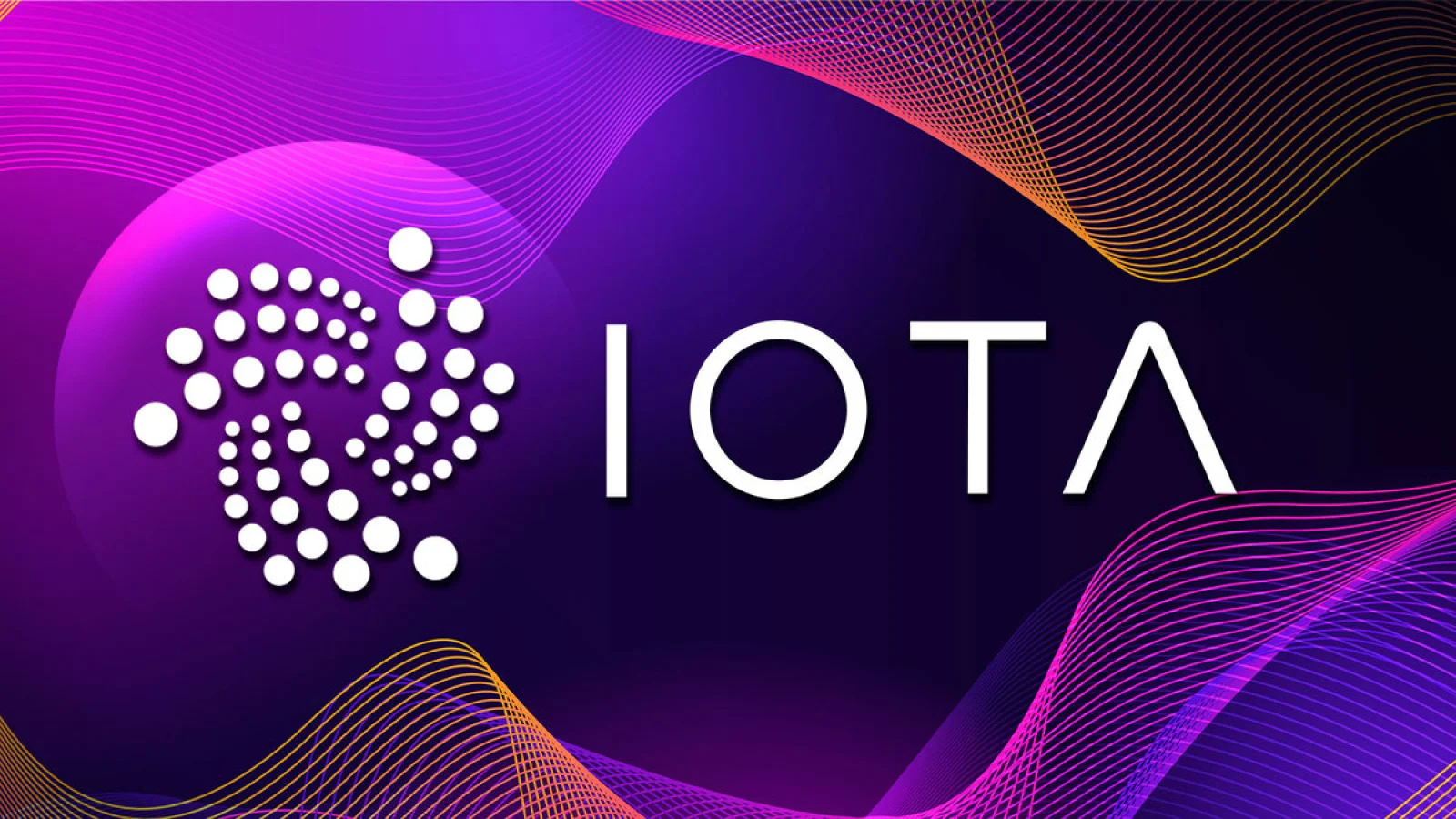
The digital identity landscape is undergoing a transformation as businesses and individuals demand enhanced security, privacy, and interoperability. IOTA, a cutting-edge value transfer protocol designed for the Internet of Things (IoT), has made a significant leap forward with the Alpha release of its decentralized identity framework, IOTA Identity. This development marks a pivotal step toward establishing a universal trust layer for the internet.
Revolutionizing Digital Identity with IOTA Identity
IOTA Identity leverages self-sovereign identity (SSI), verifiable credentials (VCs), and privacy-centric digital interactions, enabling individuals, enterprises, and devices to maintain secure control over their identities. The framework recently transitioned from the Stardust VM to the MoveVM blockchain virtual machine, offering a more robust and adaptable environment for smart contracts.
By utilizing decentralized identifiers (DIDs), IOTA Identity ensures that users have full control over their digital identities, eliminating reliance on centralized identity verification authorities. This innovation fosters seamless authentication across multiple platforms while reinforcing security and privacy.
What Sets IOTA Apart?
Unlike traditional blockchain networks that rely on a linear chain of blocks, IOTA’s distributed ledger technology (DLT) employs a directed acyclic graph (DAG) known as “the tangle.” This unique structure eliminates the need for mining, resulting in gasless and feeless transactions—making digital identity solutions more accessible and environmentally friendly.
Although IOTA has faced scrutiny regarding its central “coordinator node,” the protocol continues to build credibility through strategic partnerships and real-world applications. Notably, IOTA’s identity solutions have gained recognition from the European Blockchain Sandbox, underscoring their potential in shaping future digital identity frameworks.
A Future of Interoperable Digital Trust
IOTA Identity aligns with global decentralized identity standards, including those established by the World Wide Web Consortium (W3C). This ensures compatibility with other identity systems, reinforcing its role in the broader digital identity ecosystem. By providing a secure, auditable, and censorship-resistant identity verification system, IOTA is poised to drive the next generation of digital trust.
Also Read: IOTA’s Big Breakout? Despite a 60% drop, IOTA’s Rebased upgrade could be the game-changer!
While the perfect digital identity framework remains a subject of debate, IOTA’s innovative approach signals the rise of decentralized identity solutions. The future will likely consist of interconnected, decentralized technologies working together to enhance security, privacy, and trust across the digital landscape.
Disclaimer: The information in this article is for general purposes only and does not constitute financial advice. The author’s views are personal and may not reflect the views of Chain Affairs. Before making any investment decisions, you should always conduct your own research. Chain Affairs is not responsible for any financial losses.

I’m your translator between the financial Old World and the new frontier of crypto. After a career demystifying economics and markets, I enjoy elucidating crypto – from investment risks to earth-shaking potential. Let’s explore!