|
Getting your Trinity Audio player ready...
|
- Connecticut has sued Kalshi to block its sports event contracts.
- Kalshi argues that federal oversight should take precedence over state enforcement.
- The growing state-federal dispute could shape the future of prediction markets in the U.S.
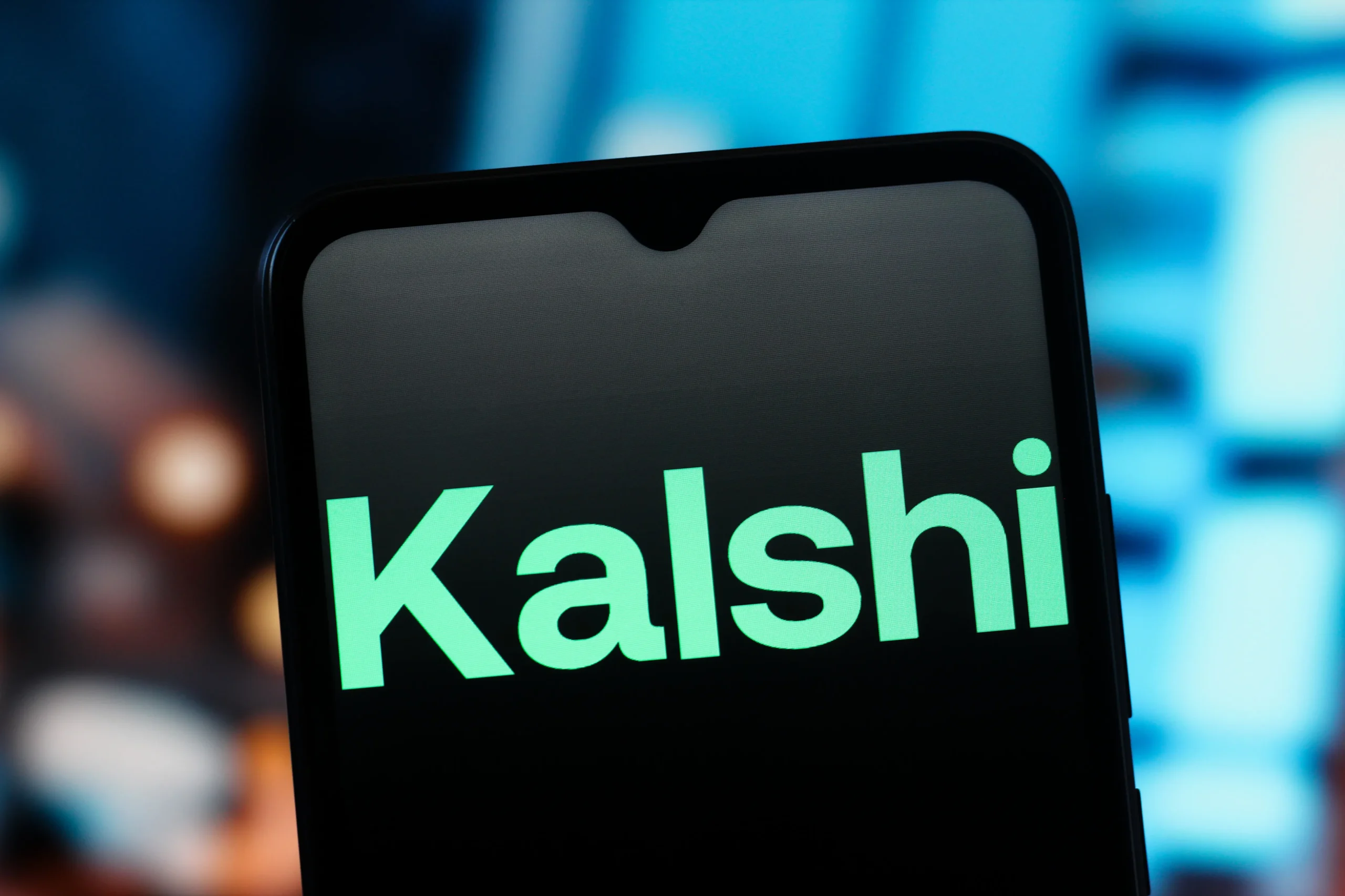
Connecticut has taken another step in the growing legal battle over prediction markets, suing Kalshi over its sports event contracts and asking a state court to stop the platform from offering them to residents. The case adds to mounting regulatory pressure on Kalshi as states and federal authorities continue to clash over who has jurisdiction over sports-related prediction contracts.
Connecticut Challenges Kalshi’s Sports Contracts
Connecticut Attorney General William Tong, Governor Ned Lamont and the state Department of Consumer Protection argue that Kalshi’s sports contracts amount to unlicensed sports wagering. The state is seeking an injunction, restitution, disgorgement and civil penalties.
The lawsuit follows a cease-and-desist order issued in December 2025 and comes after U.S. District Judge Vernon Oliver rejected Kalshi’s attempt to prevent Connecticut from enforcing its gambling laws. The judge determined that the contracts could be treated as sports wagers and ruled that the Commodity Exchange Act did not override Connecticut’s gambling regulations.
Connecticut officials have also raised concerns about the potential impact of sports prediction markets on consumers, young people, student athletes and individuals vulnerable to gambling-related harm.
Kalshi Pushes Back Against State Enforcement
Kalshi has rejected Connecticut’s position. Its Head of Litigation, Jovy Dedaj, described the lawsuit as another example of inconsistent state enforcement and questioned why other prediction-market operators could continue operating in the state.
The company maintains that federal oversight is central to determining how prediction markets should be regulated. Kalshi has also appealed Judge Oliver’s ruling to the U.S. Court of Appeals for the Second Circuit.
A separate request for an immediate temporary restraining order also failed. Hartford Superior Court declined to order Kalshi to remove its sports contracts from Connecticut while the dispute continues.
Kalshi Faces Broader Regulatory Battle
Connecticut is not alone in challenging Kalshi’s sports offerings. Authorities in states including New York, Massachusetts, Nevada and Michigan have taken legal action or secured restrictions involving the platform.
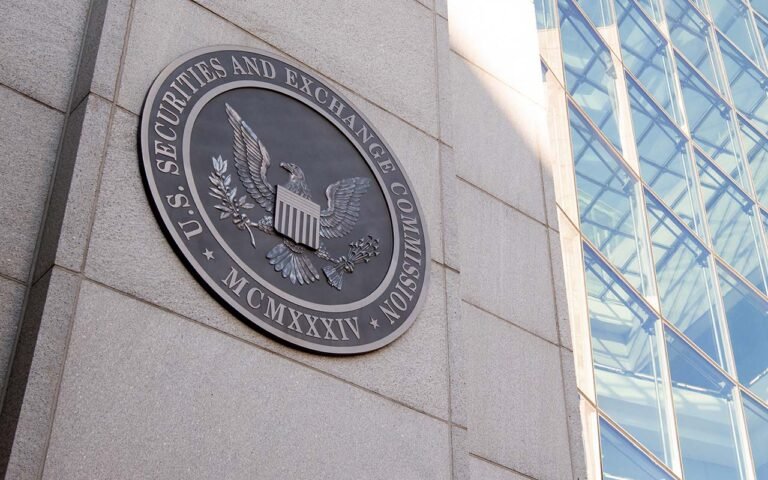
At the same time, the Commodity Futures Trading Commission has challenged state efforts to regulate Kalshi. The federal regulator has argued that it has exclusive authority over designated contract markets operating under federal commodities law.
That conflict creates a complicated legal landscape for Kalshi, with state gambling authorities and the CFTC advancing competing interpretations of regulatory jurisdiction.
Also Read: New York Sues Kalshi: 5 Key Facts Behind the Prediction Market Crackdown
The Connecticut lawsuit is likely to keep the jurisdictional dispute in focus as Kalshi pursues its federal appeal and faces challenges from multiple states. The outcome could have implications beyond one platform, potentially shaping how sports prediction markets operate across the United States.
For now, Kalshi remains at the center of a broader debate over whether sports event contracts should be treated primarily as federally regulated financial products or as sports wagering subject to state gambling laws.
Disclaimer: The information in this article is for general purposes only and does not constitute financial advice. The author’s views are personal and may not reflect the views of Chain Affairs. Before making any investment decisions, you should always conduct your own research. Chain Affairs is not responsible for any financial losses.

I’m a crypto enthusiast with a background in finance. I’m fascinated by the potential of crypto to disrupt traditional financial systems. I’m always on the lookout for new and innovative projects in the space. I believe that crypto has the potential to create a more equitable and inclusive financial system.