|
Getting your Trinity Audio player ready...
|
- Coinbase now supports direct INR deposits and withdrawals through Indian bank accounts.
- Indian users can access spot and perpetual futures trading on major cryptocurrencies.
- The exchange is fully registered with India’s FIU and complies with local tax regulations.
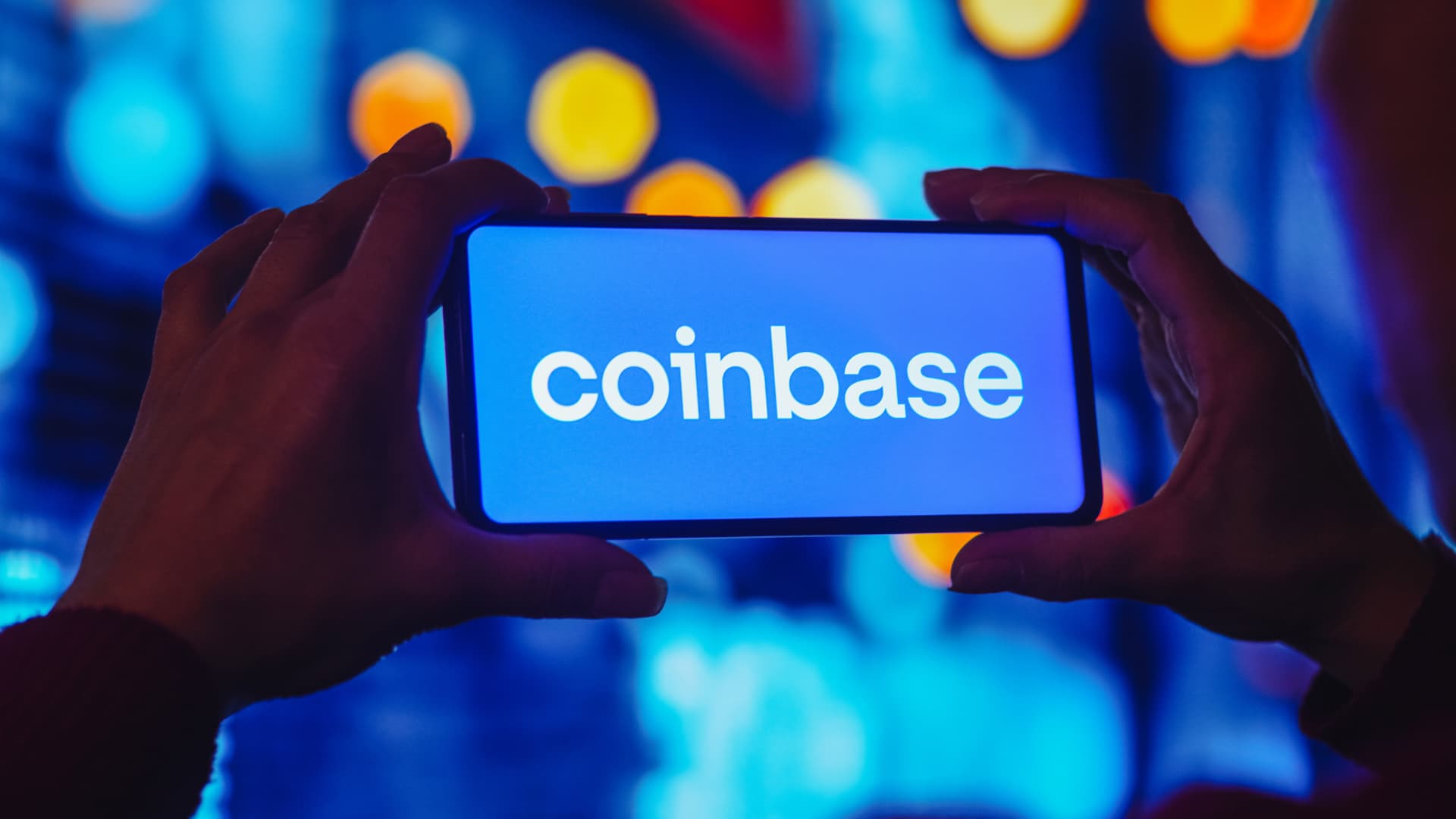
Coinbase has officially re-entered the Indian cryptocurrency market with a major upgrade for local users: direct support for Indian Rupee (INR) deposits, trading, and withdrawals. The move allows customers to transfer funds directly between their bank accounts and Coinbase, removing the need for peer-to-peer (P2P) workarounds that many traders previously relied on.
The launch marks an important step in Coinbase’s long-term strategy in India, one of the world’s largest and fastest-growing digital asset markets. It also signals growing confidence in the country’s evolving regulatory environment.
Direct INR Transfers Simplify Crypto Trading
The newly introduced INR payment rails are powered by India’s Immediate Payment Service (IMPS), enabling users to move funds between their bank accounts and Coinbase quickly and efficiently.
Existing users are gradually gaining access to the feature, while new customers can sign up and connect their bank accounts to begin trading. Once funds are deposited, users can access spot markets and perpetual futures trading on major cryptocurrencies including Bitcoin, Ethereum, XRP, and Solana.
The ability to withdraw funds directly back to a linked bank account addresses one of the biggest challenges Indian crypto users have faced in recent years. Many traders previously depended on third-party P2P solutions, which often introduced additional risks and complexity.
Advanced Trading Features and Competitive Pricing
Beyond basic crypto purchases, Coinbase is bringing its advanced trading infrastructure to India. Users will gain access to deeper global liquidity pools, larger order books, and potentially tighter spreads compared to smaller local platforms.
The exchange has also highlighted its competitive fee structure, noting that INR deposits currently carry no transfer fees. Lower trading costs could help attract both new retail investors and experienced traders seeking better execution.
Security remains a key focus for the company. Coinbase says most customer assets are stored in cold wallets, supported by insurance coverage and routine security audits.
Regulatory Compliance Strengthens Coinbase’s Position
Coinbase’s return follows its registration with India’s Financial Intelligence Unit (FIU), allowing the company to operate within the country’s regulatory framework.
The exchange says it complies with local tax requirements, including the existing 30% tax on crypto gains and the 1% Tax Deducted at Source (TDS) rule. Company executives have repeatedly emphasized their commitment to building a long-term presence in India.
In addition to its exchange business, Coinbase has invested in India’s broader crypto ecosystem through startup funding, developer grants, educational initiatives, and support for blockchain entrepreneurs.
Coinbase’s renewed push into India could increase market liquidity, reduce trading friction, and provide local users with access to institutional-grade trading tools. As competition among exchanges intensifies, Indian traders may benefit from improved services, lower costs, and more secure access to digital assets.
For India’s growing crypto community, Coinbase’s return represents more than just another exchange launch—it reflects increasing global interest in one of the industry’s most important emerging markets.
Also Read: Strategy Moves 411 BTC to Coinbase—Is Saylor Preparing a Major Shift?
Coinbase’s rollout of direct INR deposits and withdrawals removes a major barrier for Indian crypto users. Combined with regulatory compliance, enhanced security measures, and advanced trading capabilities, the launch positions the exchange to compete aggressively in India’s expanding digital asset sector. As adoption continues to grow, the company’s return could play a significant role in shaping the next phase of India’s crypto economy.
Disclaimer: The information in this article is for general purposes only and does not constitute financial advice. The author’s views are personal and may not reflect the views of Chain Affairs. Before making any investment decisions, you should always conduct your own research. Chain Affairs is not responsible for any financial losses.

I’m your translator between the financial Old World and the new frontier of crypto. After a career demystifying economics and markets, I enjoy elucidating crypto – from investment risks to earth-shaking potential. Let’s explore!