|
Getting your Trinity Audio player ready...
|
• Cynthia Lummis says the CLARITY Act includes more than 16 safeguards against illicit finance.
• Elizabeth Warren argues the legislation still leaves dangerous gaps in crypto oversight.
• The bill’s future depends on bipartisan support as it faces key Senate hurdles.
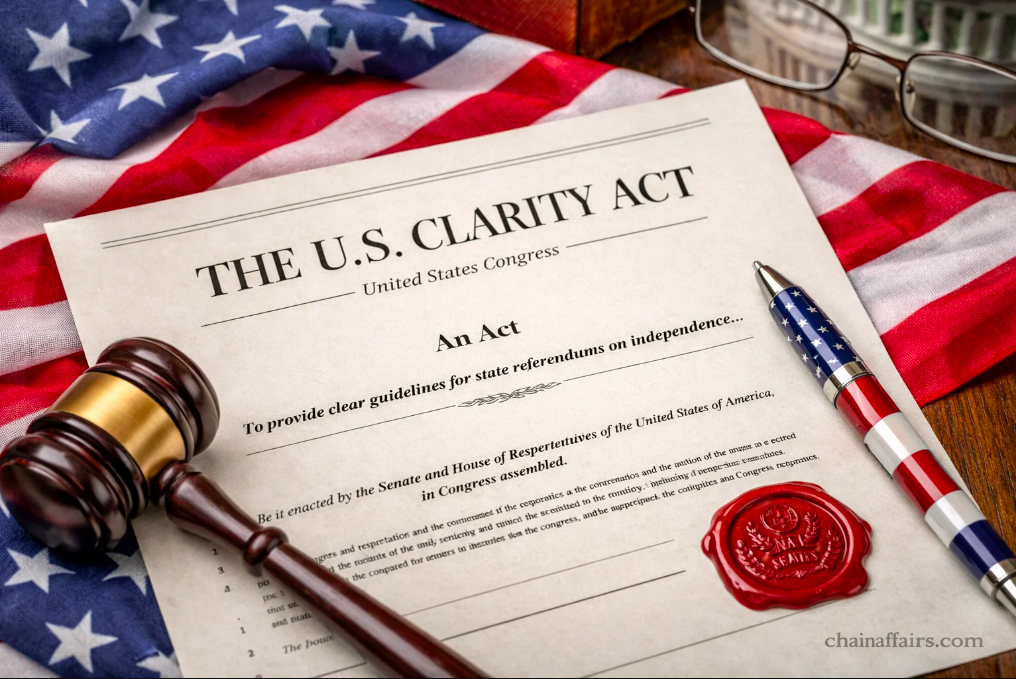
The political fight over the CLARITY Act is heating up as lawmakers remain divided over how the United States should regulate digital assets. Senator Cynthia Lummis has strongly rejected criticism from Senator Elizabeth Warren, arguing that the proposed crypto market structure bill contains extensive protections against money laundering and other financial crimes rather than creating new risks.
The latest exchange highlights the growing partisan debate surrounding cryptocurrency regulation as supporters push to move the legislation through the Senate before lawmakers begin their extended August recess.
Lummis Rejects Claims of Crypto Loopholes
Elizabeth Warren recently warned that the CLARITY Act could weaken anti-money laundering rules and create opportunities for illicit finance. Pointing to reports that Iranian-linked entities allegedly moved billions of dollars through the CoinEx cryptocurrency exchange, Warren argued Congress should strengthen oversight instead of creating potential regulatory gaps.
Cynthia Lummis dismissed those concerns, calling them inaccurate and insisting the legislation already includes more than 16 safeguards designed to combat financial crime.
According to Lummis, Section 201 extends Bank Secrecy Act and Anti-Money Laundering (BSA/AML) requirements to relevant crypto activities. She also highlighted Section 303, which authorizes new sanctions against jurisdictions involved in illicit finance, including Iran, and Section 305, which allows crypto exchanges to temporarily freeze suspicious digital asset transactions.
Lummis argued that critics should focus on the bill’s actual language rather than what she described as unfounded claims about its impact.
Senate Faces Growing Pressure to Advance the CLARITY Act
Despite strong support from many crypto advocates, the CLARITY Act continues to face significant political obstacles.
The legislation has been slowed by Senate scheduling, concerns raised by traditional banking organizations, and Democratic demands for stricter ethics provisions. One of the most debated issues remains stablecoin yield, while broader concerns center on conflicts of interest involving elected officials.
Warren has also argued that the bill should include additional safeguards preventing President Donald Trump and members of his family from benefiting financially from cryptocurrency ventures while in public office.
What the Crypto Bill Would Change
If passed, the CLARITY Act would establish clearer regulatory boundaries between the Securities and Exchange Commission (SEC) and the Commodity Futures Trading Commission (CFTC). Supporters say the measure would improve investor protection, strengthen consumer safeguards, and encourage blockchain innovation to remain in the United States.
However, the path forward remains uncertain. Prediction markets have recently lowered the perceived odds of the bill becoming law, reflecting the difficult political environment. The legislation must secure 60 Senate votes to advance, making bipartisan support essential.
Also Read: Ripple’s XRP Adoption Plan Revealed: 5 Key Moves Ahead of the CLARITY Act
The debate over the CLARITY Act reflects a broader struggle over the future of crypto regulation in the United States. While Cynthia Lummis argues the legislation already contains robust anti-money laundering protections, Elizabeth Warren maintains stronger safeguards are still needed. With time running short before Congress breaks for August, the coming weeks could determine whether one of the industry’s most significant regulatory proposals advances or remains stalled.
Disclaimer: The information in this article is for general purposes only and does not constitute financial advice. The author’s views are personal and may not reflect the views of Chain Affairs. Before making any investment decisions, you should always conduct your own research. Chain Affairs is not responsible for any financial losses.

I’m a crypto enthusiast with a background in finance. I’m fascinated by the potential of crypto to disrupt traditional financial systems. I’m always on the lookout for new and innovative projects in the space. I believe that crypto has the potential to create a more equitable and inclusive financial system.