|
Getting your Trinity Audio player ready...
|
- Citigroup reduced its Bitcoin forecast to $82,000 and Ethereum target to $2,240.
- Billions in ETF outflows are weakening institutional confidence in crypto markets.
- Regulatory uncertainty remains a major factor affecting Bitcoin and Ethereum prices.
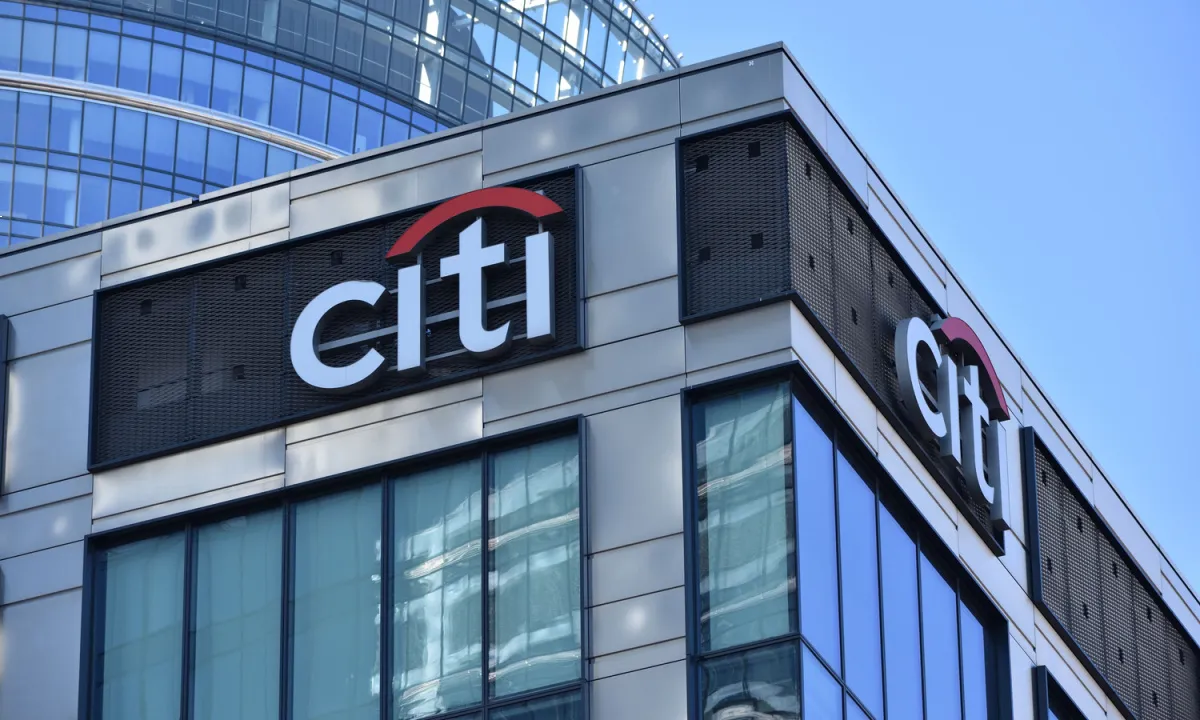
Wall Street banking giant Citigroup has lowered its 12-month outlook for Bitcoin and Ethereum, adding fresh pressure to a cryptocurrency market already facing weak investor sentiment and declining institutional demand. The revised forecasts come as digital asset funds experience heavy withdrawals and uncertainty grows around potential U.S. crypto regulation.
Citigroup reduced its Bitcoin price target from $112,000 to $82,000 and lowered its Ethereum forecast from $3,175 to $2,240. The move represents the second major downgrade from the financial institution this year, reflecting a more cautious view of the market’s near-term growth prospects.
Bitcoin and Ethereum Forecasts Fall Amid Market Weakness
The latest Citigroup projections highlight concerns about slowing momentum across major cryptocurrencies. Earlier this year, the bank had already adjusted its Bitcoin estimate from $143,000 to $112,000 and Ethereum’s target from $4,304 to $3,175.
The revisions come during a difficult period for crypto investors. Spot Bitcoin ETFs have seen significant withdrawals, with June recording around $4.5 billion in net outflows — the largest monthly decline since these investment products launched in 2024.

Institutional selling has also increased, with Bitcoin ETFs losing billions of dollars in exposure over recent sessions. Major funds, including BlackRock’s Bitcoin ETF, have faced notable redemptions as investors reduce risk amid uncertain market conditions.
Ethereum ETFs have also struggled, recording hundreds of millions of dollars in recent outflows. The decline suggests that institutional appetite for crypto assets has weakened alongside broader market caution.
Regulatory Uncertainty Adds Pressure on Crypto Sentiment
Another factor affecting investor confidence is uncertainty surrounding the Clarity Act. Market expectations for the bill’s approval this year have fallen, creating additional uncertainty for companies and investors waiting for clearer digital asset rules.
Political discussions around cryptocurrency have also intensified after disclosures involving former U.S. President Donald Trump and crypto-related holdings raised questions about potential conflicts of interest.
With fewer immediate catalysts supporting the market, traders have become more cautious, limiting buying momentum.
Bitcoin Price Drops While Ethereum Faces Reduced Demand
Bitcoin recently fell to around $57,747 before recovering slightly near the $58,600 level. Trading activity increased during the decline, suggesting heightened market reaction following Citigroup’s forecast changes.
Research firm Matrixport noted that July has historically been a stronger month for Bitcoin performance. However, analysts warned that the market could enter a period of consolidation if major bullish drivers remain absent.
Ethereum has also faced pressure, trading near $1,576 after moving between roughly $1,549 and $1,600. Lower trading volume indicates reduced participation from investors as uncertainty continues.
Also Read: Citigroup Predicts Bitcoin Rally to $231K: Key Drivers and Investor Insights
Citigroup’s latest Bitcoin and Ethereum price revisions reflect growing caution among traditional financial institutions as ETF outflows, regulatory concerns, and weaker sentiment weigh on the crypto market. While historical trends suggest possible recovery periods ahead, investors remain focused on whether demand can return and whether new market catalysts can restore confidence.
Disclaimer: The information in this article is for general purposes only and does not constitute financial advice. The author’s views are personal and may not reflect the views of Chain Affairs. Before making any investment decisions, you should always conduct your own research. Chain Affairs is not responsible for any financial losses.

I’m your translator between the financial Old World and the new frontier of crypto. After a career demystifying economics and markets, I enjoy elucidating crypto – from investment risks to earth-shaking potential. Let’s explore!