|
Getting your Trinity Audio player ready...
|
- From Nov. 17, non-qualified Russian investors can buy up to 300,000 rubles (about $3,700) of BTC, ETH and USDT per year per intermediary, after passing a test. Qualified investors have no cap.
- Moscow Exchange launches pilot crypto trading on Dec. 1, while P2P trading will be banned from July 1, 2027.
- A Polymarket user bet nearly $200,000 on Sen. Ricketts an hour before a Times/Siena poll came out, and Polymarket says it is investigating.
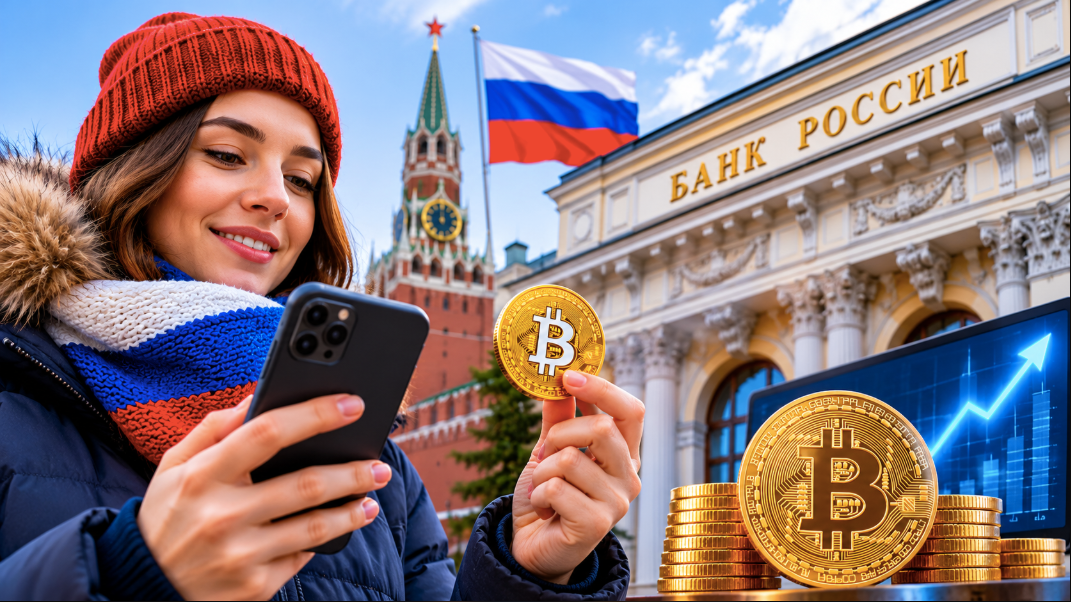
Russia’s central bank has finalized the rules that let ordinary people buy Bitcoin, Ether and Tether’s USDT through regulated platforms. Access starts Nov. 17, but it comes with spending limits, a mandatory test and a tightening grip on everything outside the approved channels.
Who Can Buy, and How Much
Under the final rules, retail investors who are not classed as qualified can spend up to 300,000 rubles, roughly $3,700, per year on crypto through each intermediary. That covers brokers, asset managers and crypto exchange providers. Qualified investors face no cap. Everyone, whatever their status, must pass a test before trading.
How Russia Got Here
The rules build on a law Vladimir Putin signed on Aug. 4, which created a regulated crypto market under central bank oversight. A week later, the Bank of Russia published draft rules naming BTC, ETH and USDT as eligible, based on market capitalization, average daily trading volume and at least five years of price history on foreign exchanges.
The law took effect Sept. 1. In October, the central bank authorized Sberbank, the country’s largest lender, to offer crypto exchange services. Moscow Exchange is next, with plans to launch crypto trading on Dec. 1 through pilot transactions in the same three assets.
The Walls Around the Walled Garden
Russia is opening one door while closing others. Direct peer-to-peer crypto trading will be banned from July 1, 2027. Transfers from regulated digital accounts to self-custody wallets are already prohibited, and so is paying for goods and services in crypto. In practice, the message is that crypto is welcome as an investment, as long as it stays inside licensed, supervised channels.
Meanwhile, Prediction Markets Face Their Own Scrutiny
Elsewhere, a separate story is raising questions about trading on non-public information. Researchers at Vanderbilt University said a Polymarket user bet nearly $200,000 on Oct. 31 that Nebraska Senator Pete Ricketts would win re-election. About an hour later, a New York Times/Siena poll showing Ricketts ahead went public.
A New York Times report on Friday said the user won more than $77,000 and placed similar large bets on other markets, including Kalshi. It is unclear whether the trader had inside information, and the pattern appeared around two recent Times/Siena polls. Brett Goldstein of the Vanderbilt Institute of National Security said the circumstances are hard to dismiss as chance and deserve further investigation. Polymarket said it spotted the trades and is investigating, while Kalshi declined to comment.
It isn’t the first such case. In April, US authorities charged Army Master Sergeant Gannon Ken Van Dyke, who allegedly used classified details of the operation that captured Venezuela’s Nicolás Maduro in January to profit on Polymarket. He allegedly bought “yes” shares in contracts tied to Maduro’s exit and a US war powers move, and made more than $400,000.
What to Watch
Russia’s retail launch will show how many people use a capped, tested and tightly supervised system. The prediction market cases show a different risk: when money meets non-public information, regulators and platforms are being pushed to respond.
Disclaimer: The information in this article is for general purposes only and does not constitute financial advice. The author’s views are personal and may not reflect the views of Chain Affairs. Before making any investment decisions, you should always conduct your own research. Chain Affairs is not responsible for any financial losses.

I’m the cryptocurrency guy who loves breaking down blockchain complexity into bite-sized nuggets anyone can digest. After spending 5+ years analyzing this space, I’ve got a knack for disentangling crypto conundrums and financial markets.