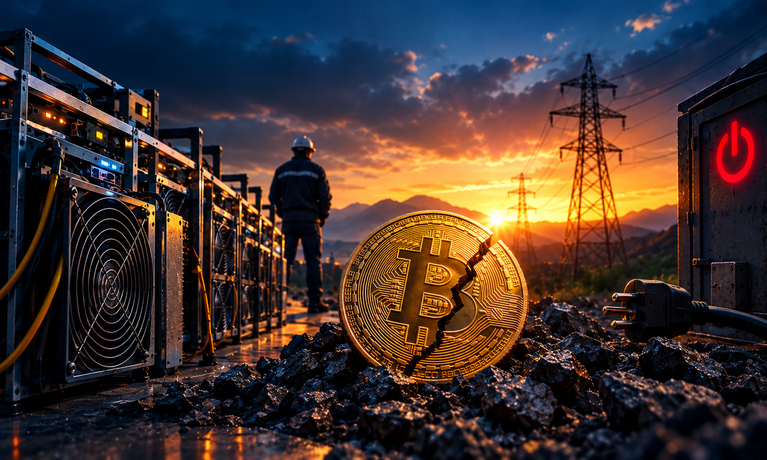
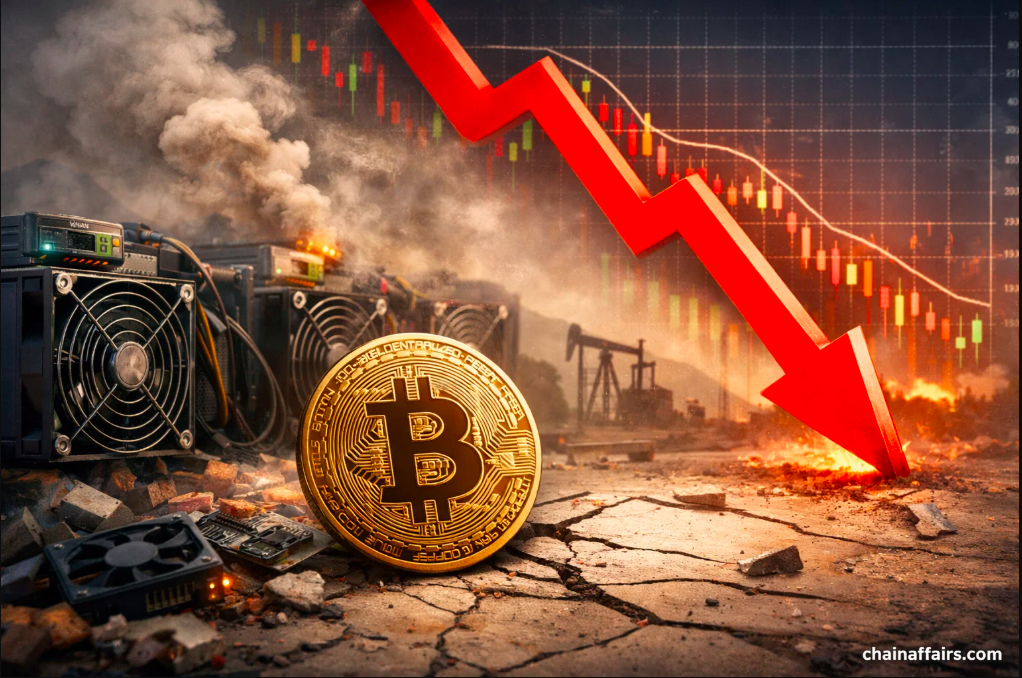
Bitcoin’s founding pitch was simple: a hard-capped asset for a world of debased money. Yet the week’s biggest risk to the price isn’t a technical failure. It’s a central bank meeting.
The Macro Squeeze
The Federal Reserve meets on October 28, and the backdrop is uncomfortable. Oil is up about 73% this year. September’s CPI beat forecasts on both headline and core inflation, and household inflation expectations have risen by half a percentage point. The two-year Treasury yield is near 4.8%, well above the 4% top of the Fed’s target range, even after the September 16 hike.
Markets are signaling that they don’t believe the Fed is done. A second hike is harder to dismiss with every rise in oil.
Digital Gold or Risk Asset?
If Bitcoin were behaving like an inflation hedge, rising inflation expectations would be good news for it. Instead, investors treat each hawkish signal as a threat. That’s how a risk asset behaves, not a store of value.
The counterpoint is fair. Glassnode data shows Bitcoin is up about 10% since the September hike, so rates aren’t the whole story. Demand also returned at $80K this month, and US spot ETFs took in about $653 million on October 19.
But those inflows came on thin volume, and corporate treasury buying has been a fraction of its 2024 peak. Without strong spot demand, macro shocks matter more.
What It Means
Bitcoin may still prove a long-term hedge. The evidence this month shows something less flattering: in the short run, it trades on liquidity. Expensive money means fewer buyers, and fewer buyers means a price that depends on sentiment.
If the Fed holds and oil cools, bulls get relief. If the Fed surprises, the $80K level, which marks the average cost of both ETF and treasury holders, becomes the line that matters.
Not investment advice. Source: Glassnode, The Week On-chain, Week 42, 2026.

I’m the cryptocurrency guy who loves breaking down blockchain complexity into bite-sized nuggets anyone can digest. After spending 5+ years analyzing this space, I’ve got a knack for disentangling crypto conundrums and financial markets.