
|
Getting your Trinity Audio player ready...
|
- DTCC has launched a blockchain tokenization pilot backed by nearly 40 major financial institutions.
- Microsoft, Circle, ETFs, and Treasury assets are among the first securities being tokenized.
- The initiative could accelerate institutional adoption of tokenized real-world assets across Wall Street.
Wall Street is taking another major step toward blockchain adoption as the Depository Trust & Clearing Corporation (DTCC) launches a large-scale tokenization pilot involving some of the biggest names in finance. BlackRock, JPMorgan, Goldman Sachs, Vanguard, and the New York Stock Exchange are among nearly 40 financial institutions participating in the initiative.
The project focuses on bringing traditional financial assets onto blockchain infrastructure, with Microsoft shares, Circle stock, exchange-traded funds (ETFs), and Treasury-related assets among the first securities to be tokenized. Given that DTCC safeguards approximately $114 trillion in assets, the pilot represents one of the most significant real-world asset (RWA) tokenization efforts to date.
DTCC Begins Tokenizing Stocks and Treasury Assets
The pilot officially starts with the tokenization of Microsoft and Circle shares alongside products including the Invesco QQQ Trust, State Street’s SPDR S&P 500 ETF, and BlackRock’s iShares 0-3 Month Treasury Bond ETF.
Rather than replacing traditional markets, the initiative aims to create blockchain-based digital representations of existing securities held within DTCC’s infrastructure. These tokenized assets will remain backed by their underlying financial instruments while becoming easier to move and manage on blockchain networks.
Participating firms will conduct live blockchain transactions during the trial, with the broader program expected to officially launch in October.
Private Blockchain Networks Take Center Stage
Unlike many blockchain initiatives that rely on public networks such as Ethereum or Solana, DTCC has chosen enterprise-focused infrastructure for this pilot.
Trades will be settled using either HyperLedger Besu, DTCC’s private blockchain platform, or the Canton Network, depending on each firm’s preferred setup.
The decision reflects Wall Street‘s preference for permissioned blockchain environments that provide greater control, regulatory compliance, and integration with existing financial systems.
JPMorgan Completes First Tokenized Transaction
DTCC confirmed that JPMorgan successfully completed the pilot’s first tokenization event by converting shares of the Invesco QQQ Trust ETF into a tokenized real-world asset.
According to DTCC, the milestone demonstrates that tokenized securities can function within today’s financial infrastructure while preserving the same ownership rights, liquidity, transparency, and investor protections as conventional assets.
The tokenized securities are expected to support several institutional use cases, including collateral management, repurchase (repo) transactions, and equity trading.
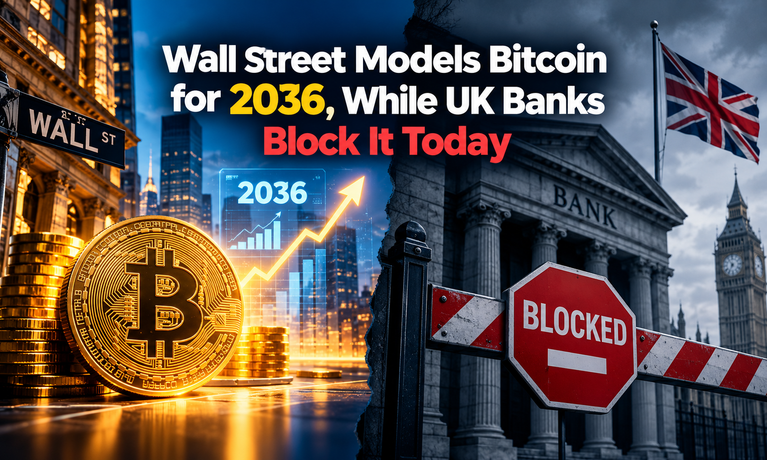
The DTCC initiative follows a broader global trend as governments and financial institutions increasingly explore blockchain-based capital markets. It also comes shortly after the UK’s Treasury advanced its own multi-billion-pound tokenization initiative involving several of the same banking giants.
Also Read: Ethena Price at a Turning Point: Can BlackRock’s Backing Spark a 20% ENA Rally?
If successful, the DTCC pilot could accelerate institutional adoption of tokenized real-world assets and demonstrate how blockchain technology can improve efficiency without fundamentally changing the structure of traditional financial markets. With some of Wall Street’s largest firms now actively testing blockchain settlement, tokenization is moving beyond theory and closer to everyday financial infrastructure.
Disclaimer: The information in this article is for general purposes only and does not constitute financial advice. The author’s views are personal and may not reflect the views of Chain Affairs. Before making any investment decisions, you should always conduct your own research. Chain Affairs is not responsible for any financial losses.

I’m a crypto enthusiast with a background in finance. I’m fascinated by the potential of crypto to disrupt traditional financial systems. I’m always on the lookout for new and innovative projects in the space. I believe that crypto has the potential to create a more equitable and inclusive financial system.