|
Getting your Trinity Audio player ready...
|
- Bitcoin mining profitability has fallen to historic lows, increasing pressure on operators.
- Miner selling activity and concentrated hashrate ownership are creating market concerns.
- AI infrastructure demand is pushing some miners to rethink their business models.
Bitcoin’s recent decline toward the $62,000 range has raised fresh concerns across the crypto market as mining economics deteriorate and miner activity shows signs of pressure. Falling miner revenue, weaker on-chain demand, and rising competition from artificial intelligence infrastructure investments are creating a challenging environment for Bitcoin producers.
The decline is not only affecting smaller mining operations. Large mining pools and companies are facing shrinking returns, increasing concerns that some miners may sell portions of their Bitcoin holdings to cover expenses or adjust their business strategies.
Bitcoin Mining Profitability Hits Historic Low
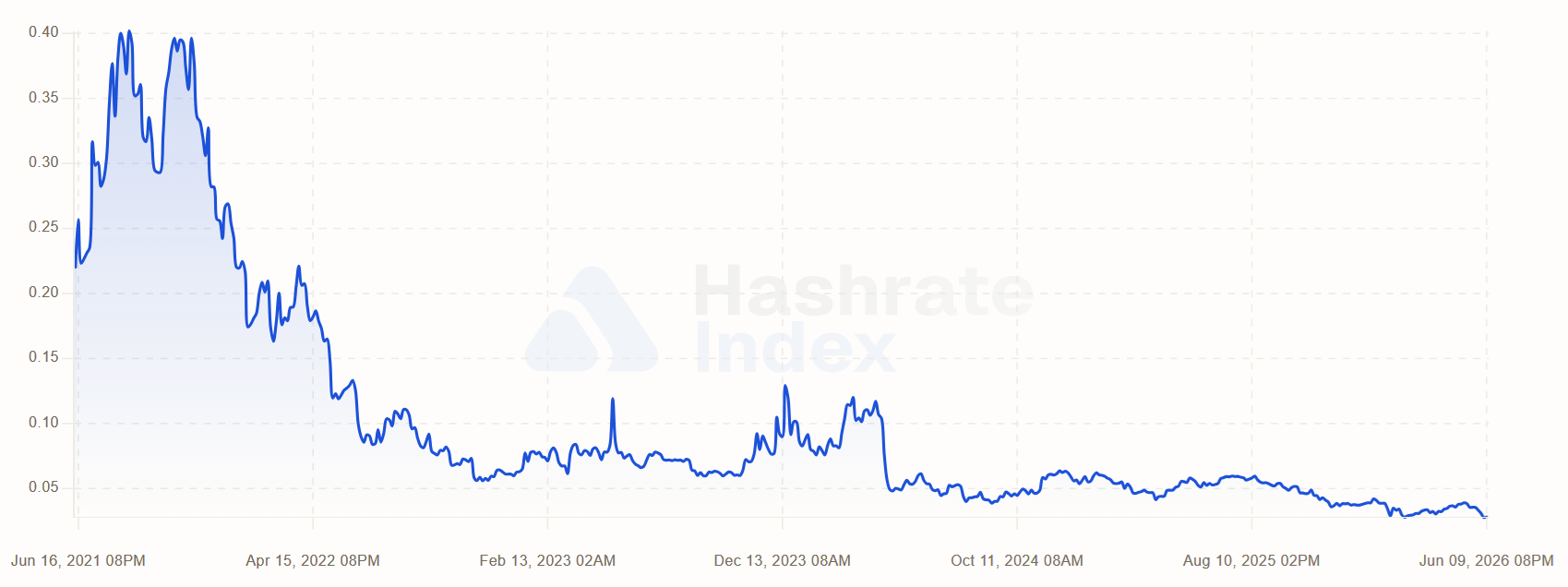
Bitcoin mining profitability has dropped sharply, with daily earnings for one terahash per second of computing power reaching a record low of about $0.028. A month earlier, the figure stood closer to $0.039, highlighting how quickly mining margins have tightened.
For large-scale operators using advanced machines such as the Antminer S21 XP Hydro, monthly gross profits have also fallen. Estimates show earnings declining from around $192 to $137 under typical electricity cost assumptions.
The pressure comes as Bitcoin miners deal with higher operating costs while market conditions remain uncertain. The key $60,000 price area has become an important level for investors watching whether selling pressure could increase.
Miner Selling Adds Pressure to Bitcoin Market
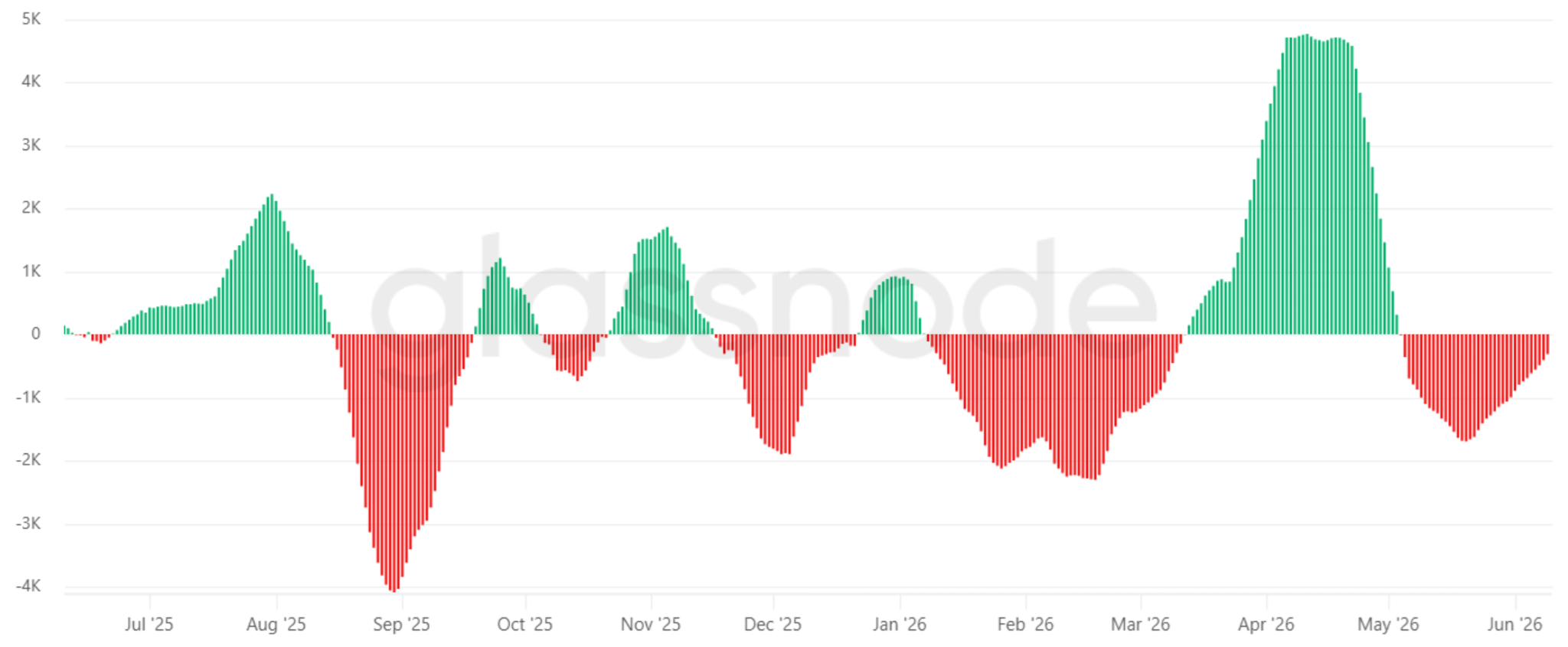
Blockchain data shows that Bitcoin held by miners and mining pools has recorded a negative net position change since early May. This suggests that some miners have been reducing their holdings.
The reasons behind these sales can vary. Some operators may be using Bitcoin reserves to fund daily operations, manage debt, or invest in new opportunities. However, the effect on the market remains the same: additional supply entering circulation can weigh on Bitcoin price momentum.
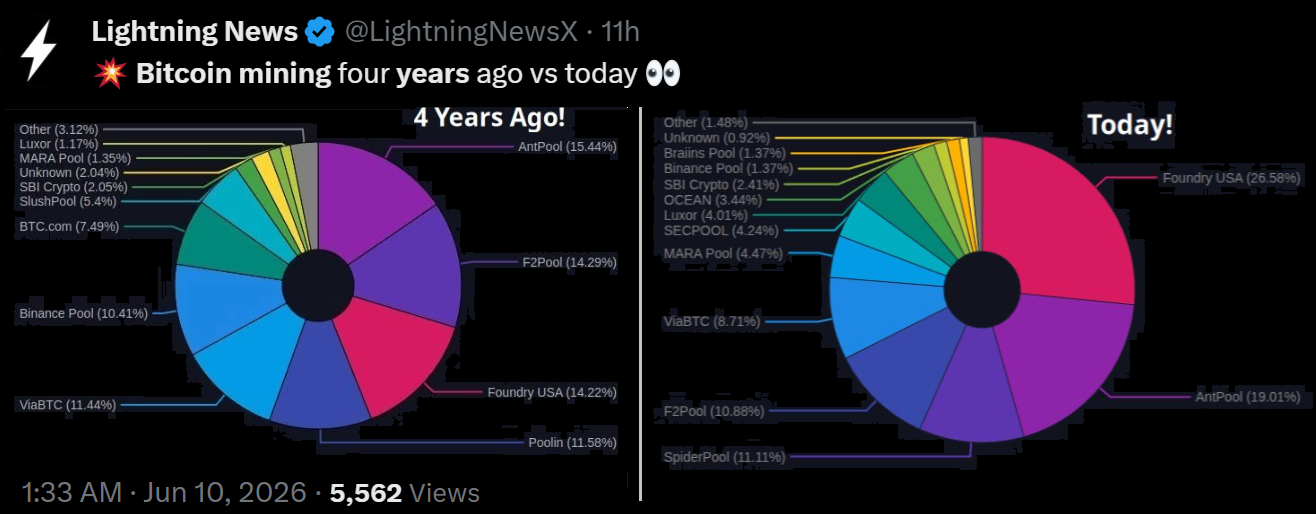
Mining concentration is also drawing attention. The three largest Bitcoin mining pools — Foundry USA, AntPool, and F2Pool — now control about 59% of network hashrate based on recent seven-day data. This compares with a combined 44% share in 2022, increasing discussions around mining centralization risks.
AI Boom Creates New Competition for Bitcoin Miners
Another major factor affecting miners is the growing demand for artificial intelligence infrastructure. Energy access has become one of the biggest challenges for AI data center expansion, leading some Bitcoin miners to redirect parts of their power capacity toward AI computing.
For some companies, AI services may offer more predictable returns than traditional crypto mining. This shift could reshape how mining firms use their infrastructure in the coming years.
Analysts estimate Bitcoin’s production costs vary widely depending on equipment efficiency and energy contracts. Some estimates place average production costs above the current market price, while more efficient operations continue mining at lower costs.
Although miner profitability is an important factor, it may not be the only driver of Bitcoin’s next move. Previous cycles have shown Bitcoin trading below production estimates for extended periods.
Current market direction may depend more on investor risk appetite, institutional demand, and wider economic conditions. While miner selling creates short-term pressure, institutional buying flows remain larger than miner output.
Bitcoin’s mining sector is under strain, but the market’s future will likely be shaped by broader financial trends as much as mining economics.
Also Read: Grayscale Warns Strategy May Sell More Bitcoin as Financial Pressure Mounts
Bitcoin miners are facing one of the toughest profitability periods in recent years, with falling revenues and changing business priorities adding uncertainty. As some miners explore AI opportunities and others adjust operations, investors will be watching whether the current pressure becomes a temporary challenge or a deeper shift in the Bitcoin ecosystem.
Disclaimer: The information in this article is for general purposes only and does not constitute financial advice. The author’s views are personal and may not reflect the views of Chain Affairs. Before making any investment decisions, you should always conduct your own research. Chain Affairs is not responsible for any financial losses.

I’m your translator between the financial Old World and the new frontier of crypto. After a career demystifying economics and markets, I enjoy elucidating crypto – from investment risks to earth-shaking potential. Let’s explore!