|
Getting your Trinity Audio player ready...
|
• Revolut will fully remove USDT from eligible European accounts by August 31, 2026.
• The decision follows stricter EU MiCA regulations governing stablecoins.
• Users should review or transfer their USDT before the final deadline to avoid automatic conversion.
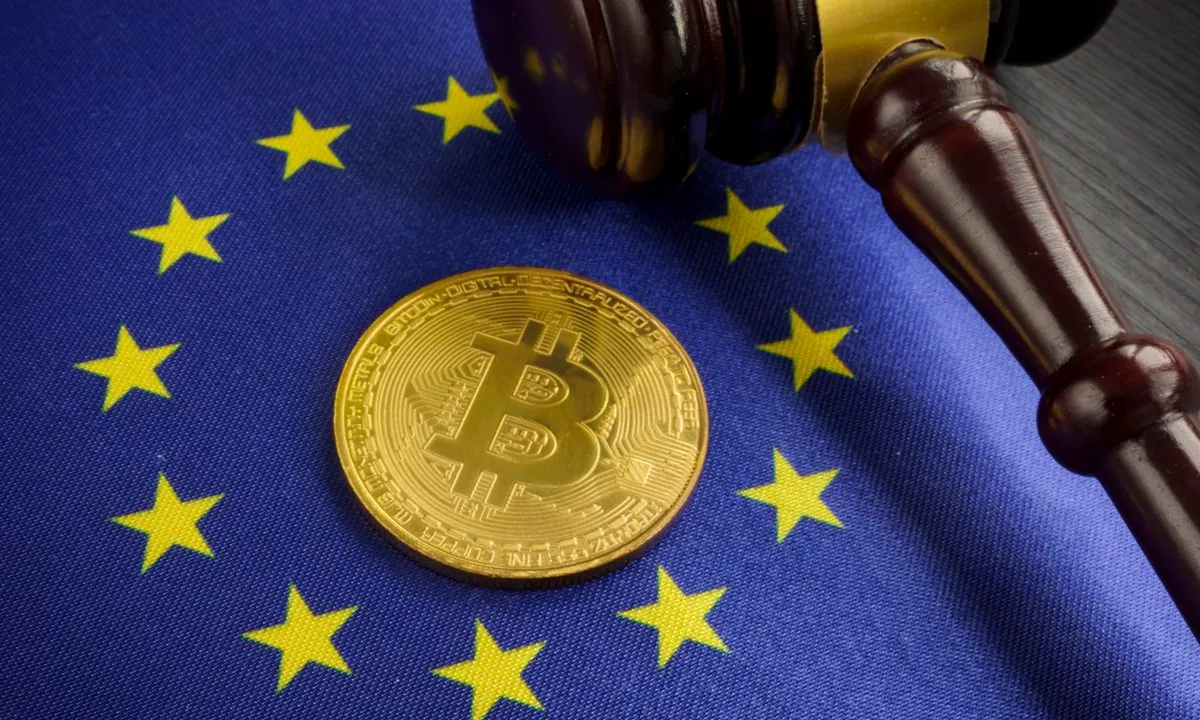
Revolut is removing Tether’s USDT from its crypto offering for eligible European customers as the European Union’s Markets in Crypto-Assets (MiCA) regulations begin reshaping the digital asset landscape.
The fintech company has informed affected users that support for USDT will end in stages over the coming weeks. The decision follows the enforcement of MiCA rules, which require stablecoin issuers operating in the EU to meet new regulatory standards covering licensing, reserves, transparency, and supervision.
For users holding USDT, the announcement marks another sign that Europe’s crypto market is rapidly adapting to a stricter regulatory environment.
Revolut Sets Timeline for USDT Removal
According to notifications sent to customers, Revolut will gradually phase out USDT support.
Users can continue purchasing the stablecoin until July 6. Beginning July 30, new USDT deposits will no longer be accepted. Customers will still be able to sell their holdings or transfer USDT to supported external wallets until August 31, 2026, at 12:00 PM GMT.
After the deadline, eligible accounts will no longer be allowed to hold USDT. Any remaining balance will automatically be converted into the account’s base currency using the prevailing market price at the time the delisting takes effect.
Revolut has encouraged affected customers to review their holdings before the deadline to avoid automatic conversion.
MiCA Regulations Drive the Decision
The move is directly linked to the European Union’s MiCA framework, which officially entered its latest enforcement phase on July 1.
MiCA introduces a comprehensive rulebook for crypto assets across the EU. Stablecoin issuers must now obtain regulatory approval while complying with stricter requirements around reserve management, disclosures, governance, and consumer protection.
Tether’s USDT has not received a MiCA license, placing exchanges and crypto service providers under pressure to reassess whether they can continue offering the stablecoin to European customers.
The latest development highlights how regulatory compliance is becoming a decisive factor for platforms serving the EU crypto market.
Tether’s Position on MiCA
Tether has previously expressed concerns about MiCA’s requirements. CEO Paolo Ardoino has argued that aspects of the framework—particularly reserve-related provisions—were not designed with the world’s largest stablecoin in mind.
The company has questioned whether some of the rules could introduce new challenges for reserve management, liquidity, and redemption processes.
Despite those concerns, MiCA compliance has become increasingly important for firms seeking uninterrupted access to European customers.
Revolut is not alone in limiting access to USDT following MiCA implementation. A growing number of crypto platforms have introduced similar restrictions for eligible European users as they align their services with the new regulatory framework.
The changes do not affect every Revolut customer globally. They apply only to users in jurisdictions covered by the new compliance requirements, while USDT remains available in markets where local regulations continue to permit its use.
Also Read: MiCA Deadline Ends: 5 Major Changes Reshaping Europe’s Crypto Market in 2026
As Europe’s crypto rules mature, the industry is entering a new phase where regulatory approval may increasingly determine which digital assets remain accessible to consumers. For investors, the Revolut decision underscores the importance of monitoring regulatory developments alongside market trends.
Disclaimer: The information in this article is for general purposes only and does not constitute financial advice. The author’s views are personal and may not reflect the views of Chain Affairs. Before making any investment decisions, you should always conduct your own research. Chain Affairs is not responsible for any financial losses.

I’m your translator between the financial Old World and the new frontier of crypto. After a career demystifying economics and markets, I enjoy elucidating crypto – from investment risks to earth-shaking potential. Let’s explore!