|
Getting your Trinity Audio player ready...
|
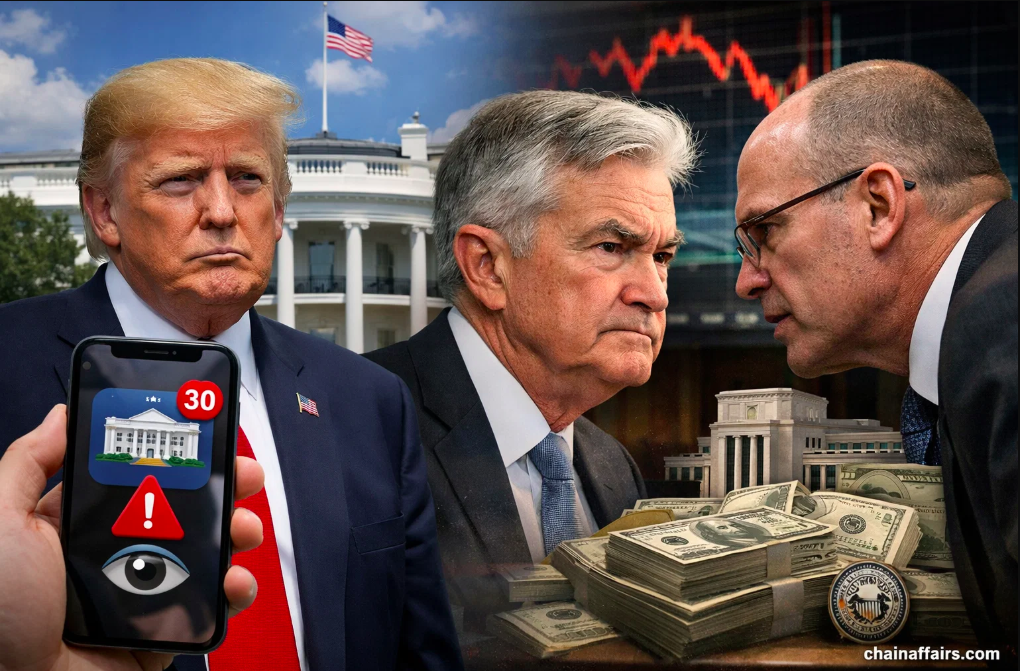
Two separate but telling stories from the Trump administration this week — a contentious Fed chair nomination and a surveillance-tinged government app — are drawing scrutiny from lawmakers and security experts alike.
Warsh Hearing Set for Mid-April as Opposition Mounts
The Senate Banking Committee is moving quickly on Kevin Warsh’s nomination as Federal Reserve chair, with a confirmation hearing tentatively scheduled for the week of April 13, according to Punchbowl News. Sources described the timeline as “fluid,” with the final date contingent on Warsh completing his paperwork submission to the committee.
The stakes are high. Current Fed Chair Jerome Powell’s term expires May 15, and while Powell has said he’ll stay on until a successor is confirmed, a mid-April hearing clears a more predictable path toward transition.
Warsh, 55, previously served on the Fed’s Board of Governors under George W. Bush from 2006 to 2011 — a tenure that included the 2008 financial crisis. This time, he’s gunning for the top job, and he hasn’t been shy about his ambitions. He’s called for “regime change” in how the Fed handles interest rates and balance sheet policy, arguing the central bank’s reluctance to cut rates reflects lingering trauma from its inflation missteps.
But opposition is emerging from both sides of the aisle. Senator Thom Tillis has said he won’t back any Fed nominee until a Department of Justice investigation into Powell — related to expenses tied to a Fed building renovation — is resolved. Senator Elizabeth Warren went further, sending Warsh a sharp letter accusing him of learning “nothing” from past failures and warning he would function as a “rubber stamp” for what she called a Wall Street-first agenda.
White House App Triggers Privacy Red Flags
Meanwhile, a newly launched White House app — billed as a direct communication channel for breaking news and policy updates — is raising serious questions about data collection and potential surveillance.
Also Read: 48% Chance of US Recession: What Americans Must Know Now
Security researchers examining the app’s code claim to have found GPS-tracking capabilities that could log a device’s location every 4.5 minutes while active, and every 9.5 minutes in the background. The troubling part, according to one security engineer, is that the app has no features — no maps, no local events, no weather — that would justify location access.
“The tracking infrastructure is there, ready to go,” one researcher warned.
Beyond location concerns, the app reportedly collects phone numbers and notification interaction data. One security engineer also flagged weak encryption, suggesting that someone on the same public Wi-Fi network could potentially intercept the app’s data traffic.
The White House has not yet responded to requests for comment.
A Week That Asks Big Questions
These two stories, though separate, reflect a broader pattern: significant decisions being made quickly, with limited transparency and substantial pushback. Whether it’s who controls U.S. monetary policy or what data a government app quietly gathers, the pressure for accountability is building — and it won’t ease before the April hearings begin.
Disclaimer: The information in this article is for general purposes only and does not constitute financial advice. The author’s views are personal and may not reflect the views of Chain Affairs. Before making any investment decisions, you should always conduct your own research. Chain Affairs is not responsible for any financial losses.

Crypto and blockchain enthusiast.