|
Getting your Trinity Audio player ready...
|
- JPMorgan’s negative stance on Bitcoin has led to widespread criticism from high-profile crypto figures.
- Real estate mogul Grant Cardone and others are severing ties with JPMorgan, citing concerns over its actions and fraud risks.
- The controversy highlights growing tensions between traditional finance and the crypto market, pushing for a new approach to digital assets.
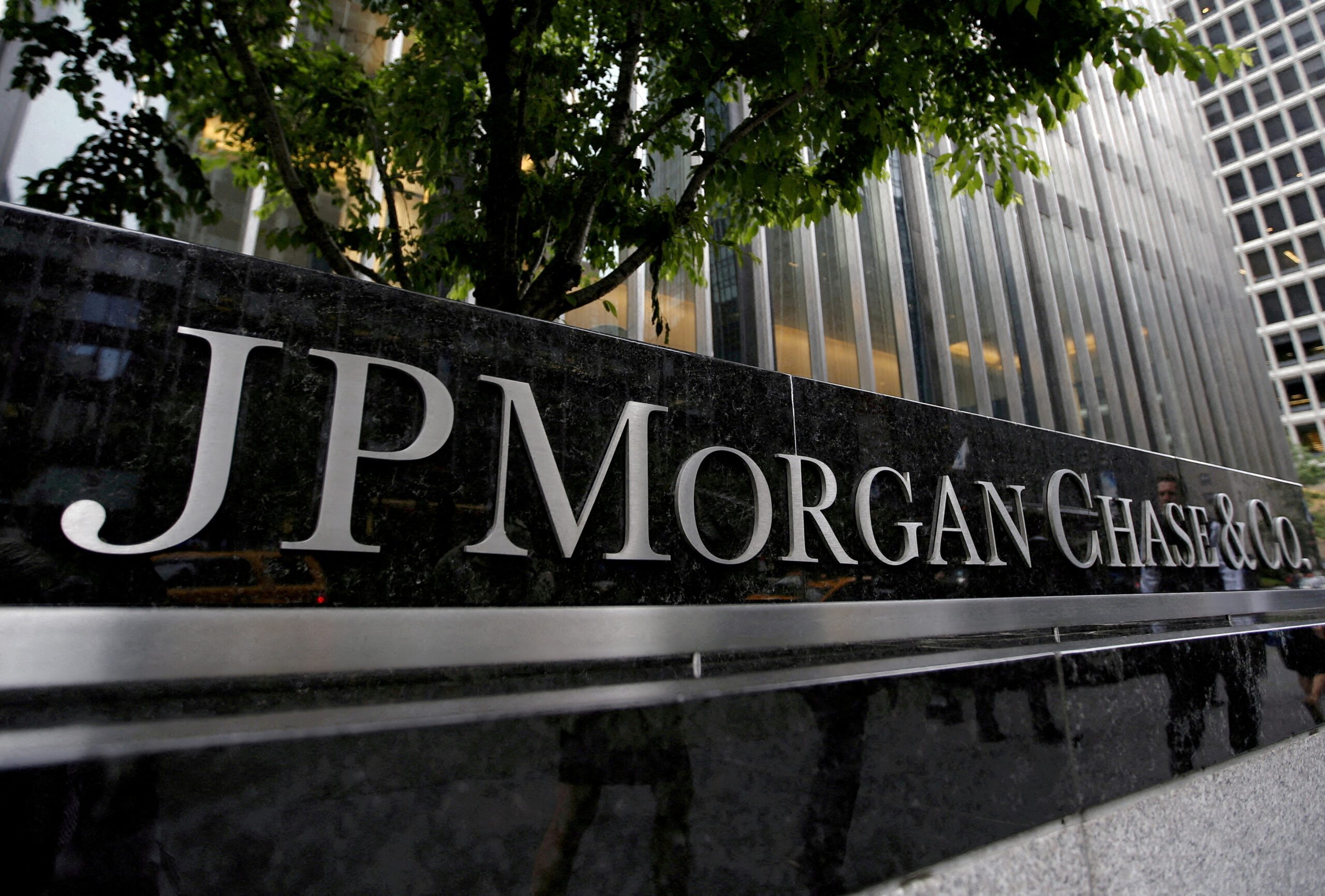
JPMorgan Chase, one of the largest financial institutions in the world, is facing intense criticism from Bitcoin advocates, sparking a significant backlash from both individuals and organizations within the cryptocurrency space. The controversy stems not only from the bank’s ongoing negative stance on Bitcoin but also its controversial ties to the Jeffrey Epstein scandal, creating a perfect storm of discontent.
Bitcoin Advocates Push Back
The backlash against JPMorgan is being led by several high-profile personalities within the Bitcoin community, including Grant Cardone, Max Keiser, and Jack Mallers. These individuals, alongside their respective organizations, have openly criticized the bank’s approach to Bitcoin. Their efforts have culminated in account terminations and widespread calls for a boycott of JPMorgan.
At the heart of the issue is JPMorgan’s CEO, Jamie Dimon, who has consistently expressed skepticism about Bitcoin. Dimon’s frequent criticisms of the cryptocurrency, combined with the bank’s support for organizations aiming to delist Michael Saylor’s company, MicroStrategy, from major stock indices, has fueled anger within the Bitcoin community. MicroStrategy holds more than half of its assets in Bitcoin, making it a key target for JPMorgan’s actions.
JPMorgan picked the wrong fight.
— Jake (@0xhellojake) November 24, 2025
JPMorgan came after $BTC and thought the $MSTR index drama would scare everyone.
It didn’t. It just showed how nervous old banks are about crypto taking over.
Here’s the real move:
1.Stop backing banks that keep going after Bitcoin.
2.Shift… pic.twitter.com/ekcyOqWN5y
Allegations of Manipulation and Divestment
Max Keiser, a prominent Bitcoin advocate, has raised concerns about JPMorgan’s potential financial motivations. He speculates that the bank may be taking short positions against MicroStrategy’s stock, which could lead to significant losses if the stock rebounds. This suspicion is supported by recent SEC filings, which show that JPMorgan has reduced its holdings in MicroStrategy by nearly 25%.
The impact of JPMorgan’s actions is not limited to high-profile individuals like Keiser. Real estate mogul Grant Cardone publicly severed ties with the bank, closing his accounts and transferring funds to Wells Fargo. Cardone also urged his followers to avoid Chase credit cards, citing concerns over fraud.
I cancelled my JPM account and moved entire account to Wells. Also, don’t use chase credit card if you’re worried about fraud. More to come. pic.twitter.com/wi645YqdII
— Grant Cardone (@GrantCardone) November 23, 2025
Institutional Backlash and the Bigger Picture
JPMorgan’s actions have prompted institutional investors and Bitcoin supporters to re-evaluate their relationship with the bank. Many are choosing to divest or withdraw their funds, with some even backing MicroStrategy in its fight against delisting. Michael Saylor, the founder of MicroStrategy, remains resolute in his commitment to Bitcoin, despite growing pressure.
Also Read: Bitcoin Sharpe Ratio Hits Multiyear Lows—What It Means for Investors in 2025
This unfolding situation is emblematic of the broader tensions between traditional financial institutions and the rapidly evolving cryptocurrency market. As JPMorgan’s actions come under scrutiny, Bitcoin advocates are calling for a more progressive approach to digital assets.
The conflict between JPMorgan Chase and the Bitcoin community is a defining moment for both the bank and the cryptocurrency industry. As public outcry grows, JPMorgan must decide whether to continue its antagonistic stance or adapt to the evolving financial landscape. For Bitcoin supporters, this episode highlights the growing influence and power of decentralized finance, challenging traditional banking models and calling for a more open-minded approach to innovation.
Disclaimer: The information in this article is for general purposes only and does not constitute financial advice. The author’s views are personal and may not reflect the views of Chain Affairs. Before making any investment decisions, you should always conduct your own research. Chain Affairs is not responsible for any financial losses.

I’m a crypto enthusiast with a background in finance. I’m fascinated by the potential of crypto to disrupt traditional financial systems. I’m always on the lookout for new and innovative projects in the space. I believe that crypto has the potential to create a more equitable and inclusive financial system.