|
Getting your Trinity Audio player ready...
|
Key Takeaways:
- Heimdall 2.0 will enhance Polygon’s PoS blockchain by improving block finality and reducing reorg risks.
- Validator readiness is critical, with Nailwal urging all node operators to upgrade immediately.
- Leadership changes signal a more centralized, faster-moving Polygon Foundation under Nailwal.
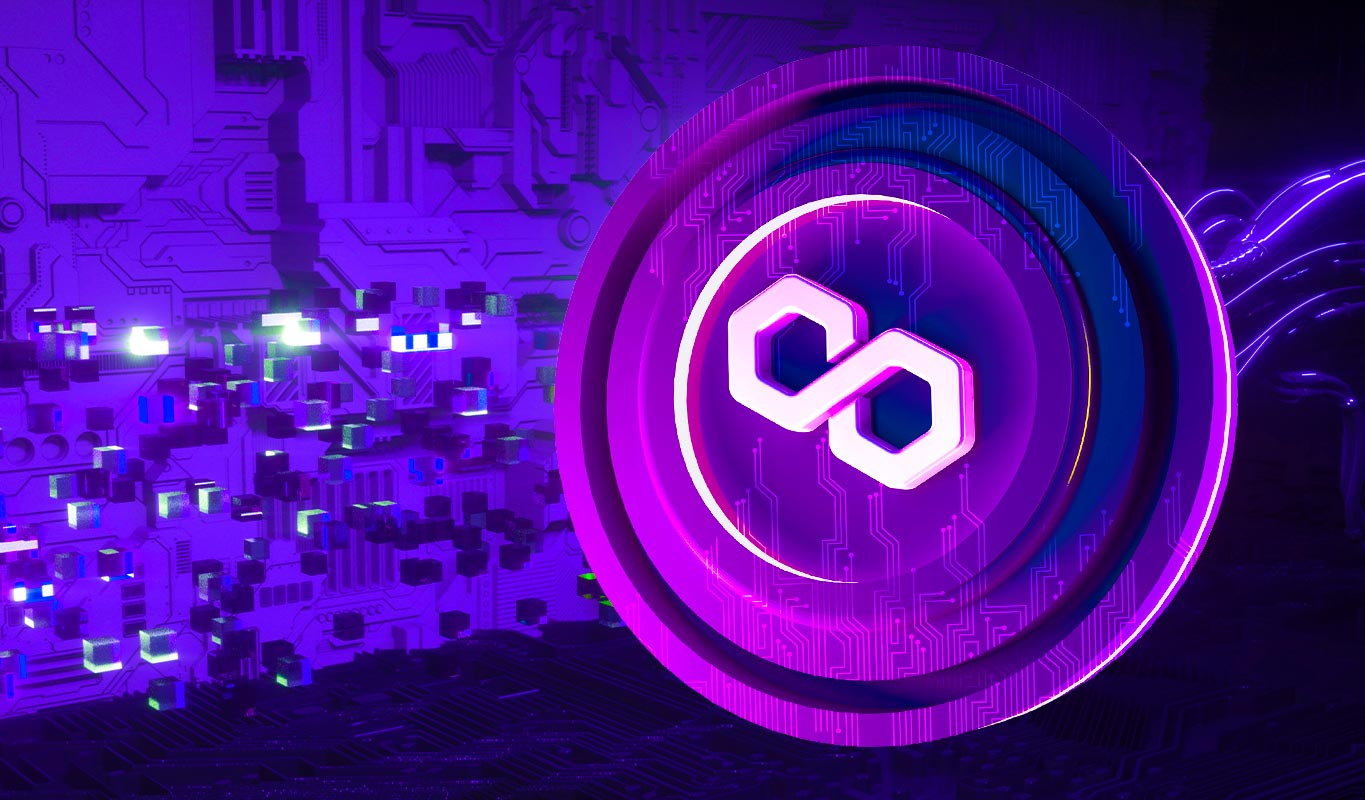
Polygon is set to roll out its most technically complex hard fork to date with the launch of Heimdall 2.0, a significant upgrade to its proof-of-stake (PoS) blockchain network. Scheduled for deployment on Thursday, the new consensus layer aims to improve finality, enhance security, and strengthen future scalability.
Polygon Foundation CEO Sandeep Nailwal described Heimdall 2.0 as a fundamental overhaul of the core infrastructure that has powered the network since its inception in 2020. The update will replace legacy components dating back to 2018 and 2019.
Shipping Announcement! 🚢
— Sandeep | CEO, Polygon Foundation (※,※) (@sandeepnailwal) July 8, 2025
We’ve been on a shipping spree—and next up is Polygon PoS’s consensus layer, Heimdall v2, landing 10 July 2025.
‼️ This is the most technically complex hard-fork Polygon PoS has seen since it's launch in 2020 ‼️
What’s changing?
1. Heimdall sheds all…
Faster Finality and Fewer Chain Reorganizations
A central feature of Heimdall 2.0 is a dramatic reduction in block finality—from current levels down to approximately five seconds. The upgrade is also designed to minimize the chance of chain reorganizations to no more than two blocks.
These enhancements will make Polygon’s network more stable and reduce vulnerabilities that can affect cross-chain bridges. Nailwal emphasized that this upgrade will be key to improving user experience and the overall performance of decentralized applications on Polygon.
Validators and Node Operators Urged to Prepare
With scripts and runbooks already available, Nailwal called on remaining validators and node operators to upgrade their systems ahead of Thursday’s hard fork. He noted that while most validators have already transitioned, any lagging participants should act immediately to avoid disruption.
The upgrade will require roughly 30 minutes to complete on the mainnet, but users should expect temporary instability. Finality could be delayed by up to three hours during the process, temporarily pausing or slowing block confirmation on the PoS chain.
Also Read: How to Build Custom Blockchains with Polygon Agglayer CDK OP Stack
Leadership Restructure Marks New Era for Polygon
The Heimdall 2.0 deployment follows a major internal shift at the Polygon Foundation. On June 11, Sandeep Nailwal took full executive control as CEO, consolidating decision-making to accelerate the network’s development. Previously governed through a decentralized structure, the foundation now aims to streamline operations amid rising competition in the layer-2 ecosystem.
Nailwal said the foundation’s renewed focus under his leadership is to “move faster and more aggressively” as Polygon evolves to meet market demands.
Disclaimer: The information in this article is for general purposes only and does not constitute financial advice. The author’s views are personal and may not reflect the views of Chain Affairs. Before making any investment decisions, you should always conduct your own research. Chain Affairs is not responsible for any financial losses.

I’m a crypto enthusiast with a background in finance. I’m fascinated by the potential of crypto to disrupt traditional financial systems. I’m always on the lookout for new and innovative projects in the space. I believe that crypto has the potential to create a more equitable and inclusive financial system.