
|
Getting your Trinity Audio player ready...
|
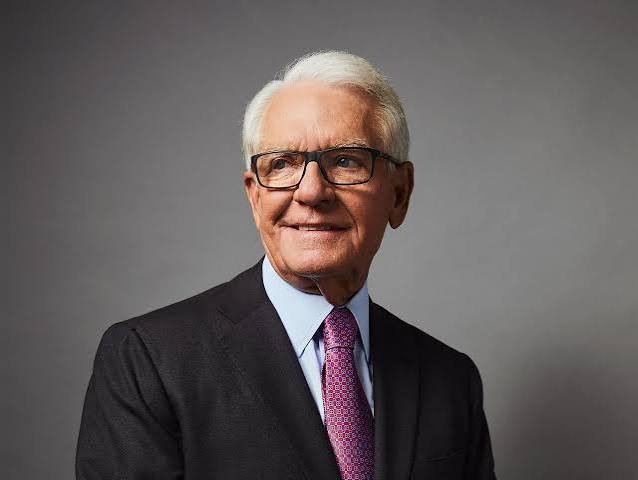
Jim Cramer is one of Wall Street’s most recognizable voices — a man who turned stock market analysis into prime-time entertainment. As the energetic host of CNBC’s “Mad Money,” Cramer made investing exciting, loud, and often controversial. But behind the theatrics lies a deeper story: a former hedge fund manager, Harvard graduate, and bestselling author who changed how retail investors engage with financial markets.
From Wall Street to Television Fame
Before becoming the face of CNBC, James J. Cramer built his career in finance. A Harvard Law School graduate, he launched Cramer Berkowitz, a hedge fund that reportedly returned 24% annually between 1987 and 2001. He later co-founded TheStreet.com in 1996, one of the first online platforms dedicated to financial news.
In 2005, Cramer made a bold pivot — from trading floors to television studios — when he launched Mad Money with Jim Cramer. His mission: to make investing accessible to everyday Americans. With his trademark rolled-up sleeves, sound effects, and catchphrases like “Booyah!”, Cramer redefined financial broadcasting. His high-energy delivery made the stock market fun — and sometimes, infuriating.
The Dual Legacy: Educator or Entertainer?
Cramer’s unique style has split audiences. To fans, he’s an educator who simplifies complex financial ideas and helps retail investors take control of their money. To critics, he’s an entertainer whose emotional delivery can mislead inexperienced traders.
His track record fuels this divide. Cramer’s early recommendations for Apple (AAPL), Nvidia (NVDA), and Amazon (AMZN) proved remarkably successful. Yet, his infamous calls on Bear Stearns, Meta (META), and Coinbase (COIN) drew heavy backlash. These misses gave birth to the viral “Inverse Cramer” meme — the idea that doing the opposite of his advice could be profitable.
Still, his influence is undeniable. Mad Money averages over 127,000 viewers per episode (as of mid-2024), and Cramer boasts over 2.2 million followers on X (formerly Twitter). His bestselling books, including Jim Cramer’s Real Money, remain staples for beginner investors.
How Jim Cramer Picks Stocks
Cramer’s approach blends fundamental analysis, market sentiment, and macro trends. He evaluates earnings reports, industry outlooks, and CEO credibility while linking each pick to a broader narrative — from AI innovation to consumer spending habits.
Through his Action Alerts PLUS newsletter, Cramer provides real-time insights into his trades and market outlooks. He often emphasizes discipline and diversification, urging investors not to panic during volatility — a mantra repeated on Mad Money: “Nobody ever made a dime panicking.”
The Crypto Rollercoaster: Cramer’s Shifting Views
Cramer’s stance on cryptocurrency has evolved dramatically. Initially skeptical of Bitcoin and Ethereum, he later called Bitcoin “digital gold” during the 2020–2021 boom. But when markets crashed in 2022, his tone shifted — labeling many altcoins “speculative nonsense.”
By early 2025, however, Cramer softened again, calling Bitcoin a “technological marvel that’s here to stay.” His back-and-forth opinions have made him a lightning rod in the crypto community, where traders joke about “shorting Cramer’s confidence.”
Also Read: Who is Brian Armstrong? The Visionary Behind Coinbase
Why Traders Love to Hate Him
The “love-hate” dynamic surrounding Jim Cramer stems from his dual role as both financial mentor and media personality. Many appreciate his transparency — he admits mistakes, updates his positions, and encourages research. But others see him as emblematic of TV-style investing, where entertainment sometimes overshadows accuracy.
Critics argue that Cramer’s show simplifies markets to the point of distortion, focusing on quick wins instead of sustainable investing. Yet, his defenders counter that his real mission is education — to make finance approachable, not to replace professional analysis.
Regardless of where one stands, few can deny that Jim Cramer shaped modern financial media. His charisma, candor, and unpredictability keep him relevant in an era where finance meets fandom.
Key Takeaway: The Man Who Made Markets Mainstream
Jim Cramer remains a cultural force — one part educator, one part entertainer, and all personality. Whether you see him as a stock market guru or a cautionary tale, his impact on financial literacy is profound. He brought Wall Street into living rooms and made millions of people care about investing.
Love him or loathe him, Jim Cramer is proof that finance doesn’t have to be boring — it just has to be loud enough to make you listen.
Disclaimer: The information in this article is for general purposes only and does not constitute financial advice. The author’s views are personal and may not reflect the views of Chain Affairs. Before making any investment decisions, you should always conduct your own research. Chain Affairs is not responsible for any financial losses.

I’m a crypto enthusiast with a background in finance. I’m fascinated by the potential of crypto to disrupt traditional financial systems. I’m always on the lookout for new and innovative projects in the space. I believe that crypto has the potential to create a more equitable and inclusive financial system.