|
Getting your Trinity Audio player ready...
|
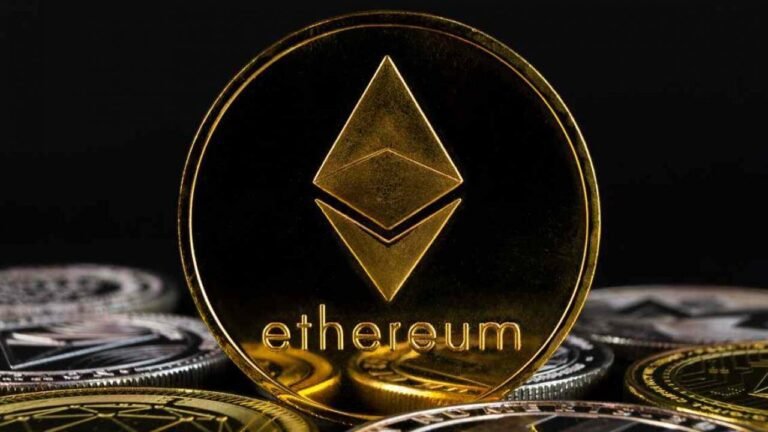
Ethereum is a decentralized, open-source blockchain platform that features its own cryptocurrency, Ether (ETH). It’s like a global computer for everyone, allowing anyone to write and run programs resistant to censorship, downtime, and fraud. Launched in 2015, Ethereum quickly became the second-largest cryptocurrency by market capitalization, and its innovative features have made it a popular platform for various applications, including:
- Smart contracts: These self-executing agreements eliminate the need for trusted intermediaries, potentially reducing costs and increasing transaction reliability.
- Decentralized applications (dApps): From finance to gaming, numerous applications leverage Ethereum’s blockchain to offer secure and transparent services.
- Non-fungible tokens (NFTs): Ethereum is the leading platform for NFTs, representing digital assets like artwork and collectibles with unique ownership and transferability.
Also Read: Ethereum’s Dencun Upgrade Launches on Goerli Testnet, But Hitches Remain
Who are the founders?
Ethereum has eight co-founders, including:
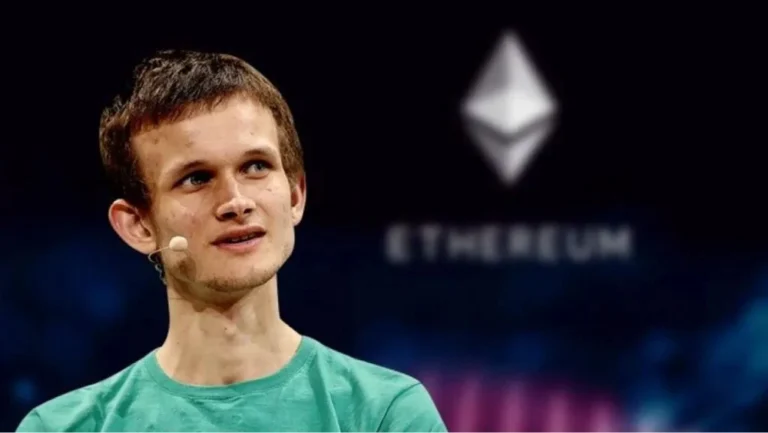
- Vitalik Buterin: The mastermind behind Ethereum’s white paper and a leading figure in the crypto community.
- Gavin Wood: Coded the first Ethereum implementation and later established the Web3 Foundation.
- Charles Hoskinson: Played a key role in setting up the Ethereum Foundation and its legal framework.
What makes Ethereum unique?
- Smart contracts: Ethereum is the first major platform to effectively implement smart contracts, opening up a vast array of possibilities for decentralized applications.
- ERC-20 standard: This compatibility standard allows other cryptocurrencies (“tokens”) to be hosted on the Ethereum blockchain, fostering a thriving ecosystem of diverse projects.
- Ethereum Name Service (ENS): ENS provides human-readable names for crypto addresses, simplifying interactions and improving user experience.
Challenges and future:
- Scalability: Ethereum faces challenges in transaction speed and fees due to high network congestion. Upgrades like EIP-1559 and the Ethereum 2.0 transition aim to address these issues.
- Competition: Other blockchains like Solana and Cardano offer faster and cheaper transactions, posing potential competition for Ethereum’s dominance.
Key Takeaways:
- Ethereum is a foundational technology in the blockchain space, enabling smart contracts, dApps, and NFTs.
- Its open-source nature and innovative features attract developers and users worldwide.
- While facing scalability challenges, Ethereum is actively evolving with updates like the Merge to address them.

The latest Crypto News on Blockchain, Crypto, NFTs, Bitcoin, DOGE, XRP, Cardano IOTA, SHIB, ETH, DeFi, and the Metaverse.