|
Getting your Trinity Audio player ready...
|
- Buterin says Base is non-custodial and secured by Ethereum.
- SEC concerns over sequencers acting like exchanges spark industry pushback.
- Coinbase and Base argue L2s are infrastructure providers, not trading venues.
Stay ahead with real-time updates and insights—Join our Telegram channel!
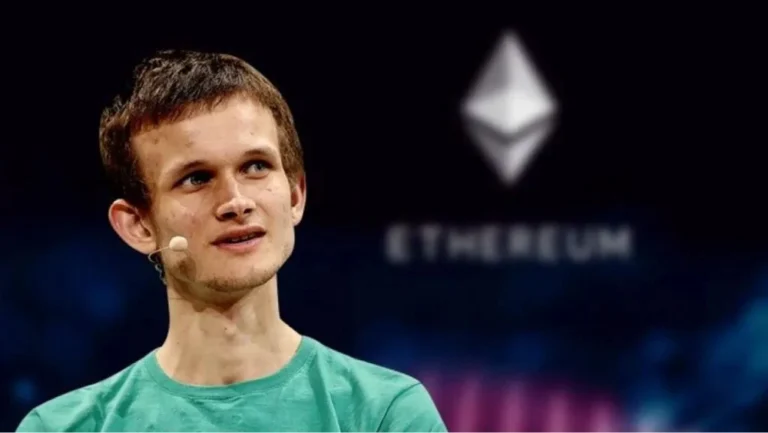
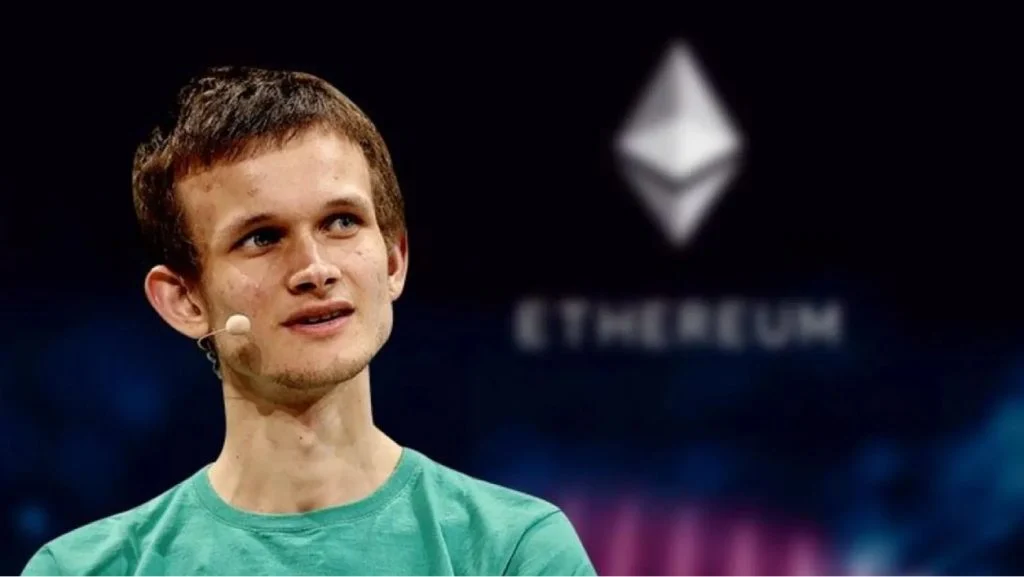
Ethereum co-founder Vitalik Buterin has pushed back against growing concerns that Coinbase’s layer-2 network, Base, should be treated like a centralized exchange. His comments arrive as regulators and industry leaders debate how to classify layer-2 solutions in an increasingly complex crypto landscape.
Base is doing things the right way: an L2 on top of Ethereum, that uses its centralized features to provide stronger UX features, while still being tied into Ethereum's decentralized base layer for security.
— vitalik.eth (@VitalikButerin) September 22, 2025
Base does not have custody over your funds, they cannot steal funds or… https://t.co/0EMdThg4gU
Buterin: Base Strengthens, Not Weakens, Ethereum
Buterin praised Base for striking the right balance between user experience and decentralization. He emphasized that while Base uses centralized sequencing for efficiency, it remains non-custodial and tied to Ethereum’s core security.
“Base cannot seize funds or block withdrawals,” Buterin noted, stressing that true layer-2s extend Ethereum rather than replace it. His remarks highlight a critical distinction at a time when definitions of L2s are under scrutiny.
SEC Raises Exchange Concerns
The discussion gained momentum after SEC Commissioner Hester Peirce suggested that L2 sequencers may resemble matching engines used by centralized exchanges. If regulators adopt this view, networks like Base could face registration requirements and stricter compliance.
However, Peirce acknowledged that if the assets processed are not securities, the SEC may have limited authority. Still, her comments raised questions about how much oversight U.S. regulators will attempt to assert over Ethereum’s scaling solutions.
Coinbase’s legal chief Paul Grewal countered that sequencers do not act as exchanges but as infrastructure providers, more comparable to cloud platforms like Amazon Web Services. Sequencers simply order transactions before they are finalized on Ethereum — they do not match trades or custody assets.
Framing sequencers on L2s like @base as exchanges misrepresents their function as a marketplace. Let's clear this up. 1/4
— paulgrewal.eth (@iampaulgrewal) September 22, 2025
Base co-founder Jesse Pollak reinforced this point, comparing sequencers to traffic controllers who streamline flow without changing destinations. He clarified that unlike exchange engines, sequencers do not pair buy and sell orders at prices.
Also Read: Ethereum’s 45-Day Staking Exit Sparks Debate
The classification of layer-2 networks could shape the regulatory environment for Ethereum and the broader blockchain sector. For now, Buterin’s defense of Base underscores the importance of keeping L2s viewed as infrastructure rather than financial intermediaries.
If regulators move to classify them otherwise, it could bring sweeping compliance burdens and stifle innovation. The debate over L2s is just beginning, but for Ethereum’s builders, the distinction between sequencer and exchange may prove pivotal.
Stay ahead with real-time updates and insights—Join our Telegram channel!
Disclaimer: The information in this article is for general purposes only and does not constitute financial advice. The author’s views are personal and may not reflect the views of Chain Affairs. Before making any investment decisions, you should always conduct your own research. Chain Affairs is not responsible for any financial losses.

I’m your translator between the financial Old World and the new frontier of crypto. After a career demystifying economics and markets, I enjoy elucidating crypto – from investment risks to earth-shaking potential. Let’s explore!