
|
Getting your Trinity Audio player ready...
|
- The Fed proposes limiting banks from denying crypto services due to reputation concerns.
- Institutional adoption is pushing regulators toward clearer crypto banking rules.
- Easier banking access could strengthen investor confidence and market growth.
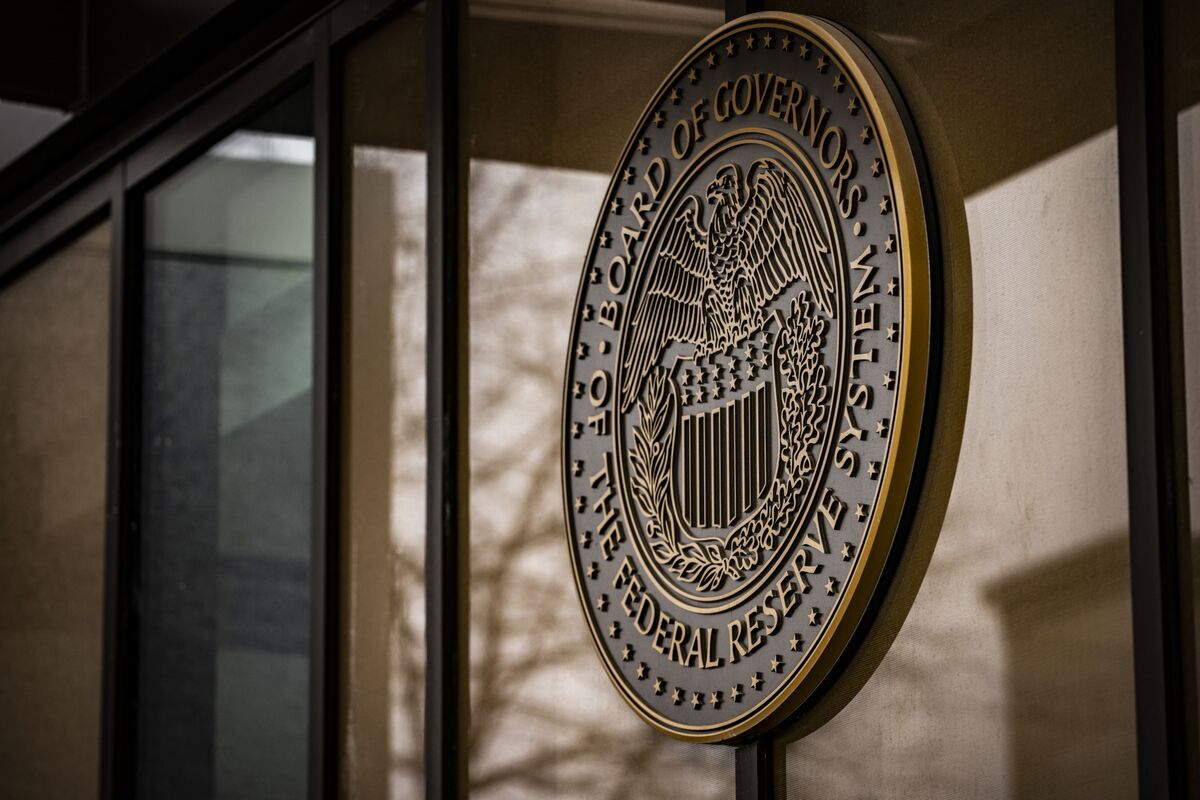
The U.S. crypto sector may soon face fewer barriers to traditional banking after the Federal Reserve introduced a proposal aimed at preventing banks from denying services based on “reputation risk.” The regulator has opened a 60-day public consultation, signaling a potential shift in how financial institutions evaluate digital asset clients.
For years, crypto companies have struggled to secure stable banking relationships, often citing informal pressure and unclear supervisory expectations. If finalized, the proposal could mark a turning point for industry access to payment rails, custody services, and settlement infrastructure.
Public Comment Period Signals Policy Shift
Under the draft rule, banks would be expected to assess customers using measurable financial risks rather than subjective concerns about public perception. The change follows earlier guidance discouraging supervisors from informally steering banks away from digital asset firms.
The move has drawn praise from pro-crypto lawmakers, including U.S. Senator Cynthia Lummis, who has repeatedly argued that regulators should not block lawful digital asset businesses from financial services. Industry participants say clearer rules could reduce uncertainty and encourage more banks to engage with crypto clients.
Institutional Adoption Driving Regulatory Rethink
The Federal Reserve’s timing reflects the growing role of crypto in mainstream finance. Since the launch of U.S. spot Bitcoin ETFs, major asset managers such as BlackRock, Fidelity, and Franklin Templeton have deepened their exposure to digital assets. These firms rely heavily on banks for custody, liquidity management, and operational support.
Banks themselves are also expanding crypto offerings. BNY Mellon now provides institutional crypto custody, while Standard Chartered operates digital asset services through its Zodia Custody platform. Meanwhile, JPMorgan and Goldman Sachs continue to build blockchain infrastructure and tokenization initiatives.
What Easier Banking Access Means for Crypto
If the rule is adopted, crypto companies could find it easier to open and maintain accounts, improving operational stability and investor trust. Better access to banking could also support compliance, transparency, and risk management across the sector.
Also Read: Can Kalshi Predict the Economy Better Than the Fed’s Current Tools?
While the proposal still faces review and public feedback, it signals a broader regulatory shift: crypto is increasingly being treated as part of the financial system rather than an outlier. For digital asset firms seeking legitimacy and scale, that shift could prove decisive.
The Federal Reserve’s proposal does not guarantee immediate change, but it represents one of the clearest signs yet that U.S. regulators are reconsidering how banks interact with crypto businesses. If implemented, the rule could remove a longstanding obstacle and accelerate institutional adoption of digital assets.
Disclaimer: The information in this article is for general purposes only and does not constitute financial advice. The author’s views are personal and may not reflect the views of Chain Affairs. Before making any investment decisions, you should always conduct your own research. Chain Affairs is not responsible for any financial losses.

I’m a crypto enthusiast with a background in finance. I’m fascinated by the potential of crypto to disrupt traditional financial systems. I’m always on the lookout for new and innovative projects in the space. I believe that crypto has the potential to create a more equitable and inclusive financial system.


