|
Getting your Trinity Audio player ready...
|
- Tokenized commodities surged 600% in 2025, reaching $7 billion in value.
- Gold-backed tokens like XAU₮ dominate due to trust and stability.
- Blockchain is transforming commodities into flexible, tradable financial assets.
The Tokenized Commodities market has expanded rapidly in 2025, reaching a valuation of $7 billion—up nearly 600% since the start of the year. What began as a niche segment of blockchain finance is now evolving into a more dynamic system for managing real-world assets. According to insights from Bitfinex Securities, this growth is not only driven by demand but by a deeper transformation in how commodities function in modern markets.
From Static Assets to Flexible Financial Tools
Tokenization is reshaping commodities into more agile instruments. By placing assets like gold, oil, and agricultural products on blockchain rails, investors can move and verify ownership instantly. This reduces traditional frictions such as settlement delays and logistical constraints tied to physical commodities.
Jesse Knutson, Head of Operations at Bitfinex Securities, noted that tokenized assets enable more “responsive risk management” in volatile geopolitical conditions. In practical terms, investors can adjust exposure faster, hedge positions more efficiently, and access markets that were previously less liquid or harder to navigate.
Gold Dominates Tokenized Commodity Growth
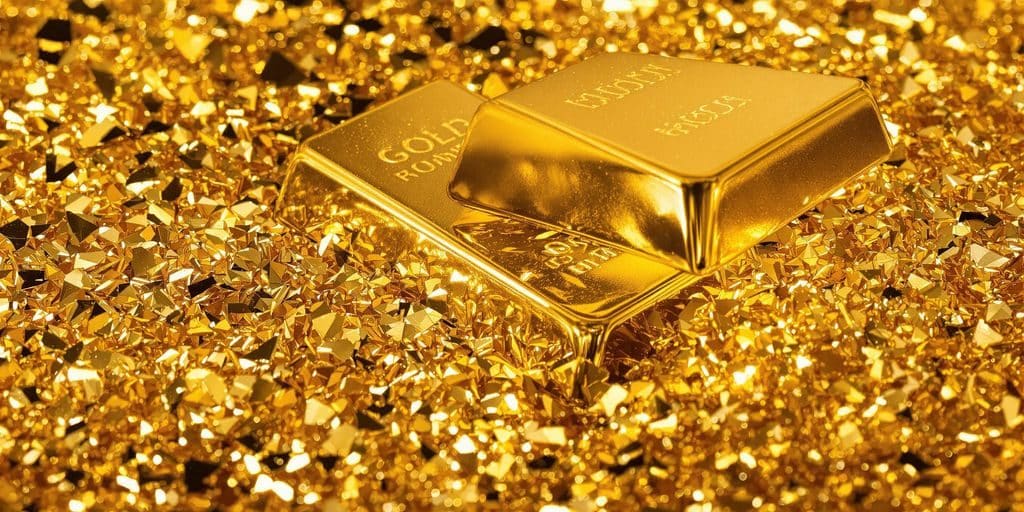
Despite expansion into sectors like energy and industrial metals, gold remains the backbone of the tokenized commodity ecosystem. Tether Gold (XAU₮) alone accounts for nearly 40% of the tokenized gold market, highlighting investor preference for established safe-haven assets.
The appeal is clear: tokenized gold combines the reliability of physical bullion with the efficiency of blockchain technology. Each XAU₮ token is backed 1:1 by a fine troy ounce of gold, stored in Swiss vaults, offering both transparency and trust.
Record Growth Signals Structural Change
Tether Gold has surpassed $3.3 billion in market capitalization, supported by a 36% quarter-on-quarter increase in underlying reserves. There are currently over 700,000 tokens in circulation, reflecting strong and sustained inflows.
This rise aligns with broader trends in the gold market. Global demand, including over-the-counter trades, has edged higher year-on-year, while surging prices pushed total quarterly demand value to a record $193 billion. However, analysts suggest that tokenized gold’s growth goes beyond traditional safe-haven demand—it signals a shift toward digitized ownership and collateral use.
While gold leads, tokenization is extending into commodities like oil, gas, copper, and agricultural goods. Blockchain-based systems enhance transparency across supply chains, allowing participants to track origin, movement, and ownership in real time.
Also Read: MEXC Secures World’s #1 Gold Order Book Depth in Q1 2026
This added visibility not only strengthens trust but also improves efficiency in global trade—an increasingly important factor amid geopolitical uncertainty and supply disruptions.
The rapid rise of tokenized commodities reflects more than a short-term trend. It marks a structural evolution in how real-world assets are accessed, traded, and managed. With gold at the forefront, platforms like Tether Gold are demonstrating that blockchain can bring both flexibility and institutional-grade reliability to traditional markets. As adoption spreads, tokenized commodities may become a core pillar of the digital financial system.
Disclaimer: The information in this article is for general purposes only and does not constitute financial advice. The author’s views are personal and may not reflect the views of Chain Affairs. Before making any investment decisions, you should always conduct your own research. Chain Affairs is not responsible for any financial losses.

I’m your translator between the financial Old World and the new frontier of crypto. After a career demystifying economics and markets, I enjoy elucidating crypto – from investment risks to earth-shaking potential. Let’s explore!