|
Getting your Trinity Audio player ready...
|
- South Korean funeral firms reported major losses tied to leveraged crypto ETFs.
- Regulators are facing pressure over weak oversight of customer prepaid funds.
- Ethereum’s sharp decline has intensified losses across crypto-linked investments.
South Korea’s funeral mutual aid industry is facing renewed financial scrutiny after two funeral service companies reported major losses tied to risky cryptocurrency-related investments. The controversy has sparked concerns over how customer prepaid funds are being managed in a sector that oversees billions of won outside the country’s traditional financial regulatory system.
Funeral Company Hit With $32 Million Unrealized Loss
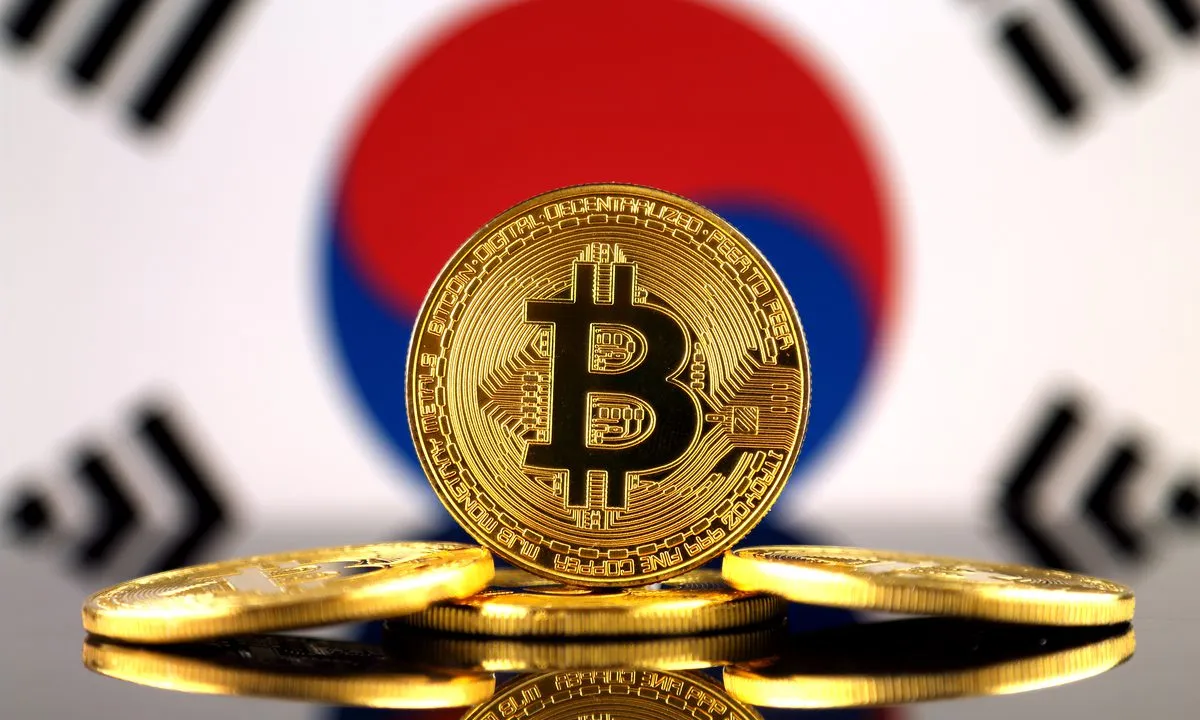
South Korean funeral service provider Bumo Sarang reportedly invested around $40 million in customer funds into leveraged crypto exchange-traded funds tied to Ethereum-related assets. According to the company’s 2025 audit report, the investment was made through the T-REX 2X Long BMNR Daily Target ETF (BMNU), a product designed to amplify the daily performance of Bitmine, an Ether treasury company.
The result has been painful. The company is now sitting on roughly 49.3 billion won, or about $32.7 million, in unrealized losses as crypto-linked equities weakened alongside Ether’s price decline.
Bumo Sarang defended the investment, describing the losses as temporary and manageable within the firm’s financial reserves. The company blamed broader market volatility for the downturn.
Industry Oversight Under Pressure
The revelations have intensified criticism of South Korea’s funeral mutual aid sector, which is currently overseen by the Fair Trade Commission rather than financial regulators.
Local reports indicate that nearly 43% of funeral service operators in the country hold fewer assets than the total amount of customer advance payments they manage. That imbalance has raised concerns about whether some firms could repay customers if large numbers of contracts were canceled at once.
Another funeral-related company, Christian Funeral Family of Faith, also reported financial losses last year, adding to worries about the sector’s financial health.
The issue is especially sensitive because funeral mutual aid companies collect prepaid funds from customers years before services are provided. Critics argue that speculative investments involving leveraged crypto products expose customers to unnecessary risk.
South Korean Investors Continue Betting on Ethereum
The losses come during a broader surge of South Korean retail interest in Ethereum-related stocks and treasury firms. Industry figures estimate that billions of dollars from Korean retail investors flowed into Ether-linked companies during 2025.
However, the market has turned sharply in 2026. Ether has dropped more than 28% year-to-date, while Bitmine shares have fallen nearly 40%, reflecting growing pressure across crypto-related investments.
Also Read: Tether Files 7 New Trademarks in South Korea Ahead of Stablecoin Crackdown
Despite the downturn, some market participants remain optimistic. Bitmine chairman Tom Lee recently described Ether’s decline below $2,200 as a potential buying opportunity after the company expanded its ETH holdings.
The losses at South Korean funeral service firms highlight the growing intersection between traditional industries and high-risk crypto investments. While companies insist the situation remains under control, regulators and customers may demand tighter oversight as concerns around customer fund protection continue to grow.
Disclaimer: The information in this article is for general purposes only and does not constitute financial advice. The author’s views are personal and may not reflect the views of Chain Affairs. Before making any investment decisions, you should always conduct your own research. Chain Affairs is not responsible for any financial losses.

I’m your translator between the financial Old World and the new frontier of crypto. After a career demystifying economics and markets, I enjoy elucidating crypto – from investment risks to earth-shaking potential. Let’s explore!