
|
Getting your Trinity Audio player ready...
|
- South Korea has ordered ISPs to block Polymarket, classifying its winner-takes-all contracts as illegal gambling.
- Polymarket’s decentralized structure did not satisfy regulators, who focused on the economic nature of its prediction contracts.
- The decision adds to global pressure, with several countries already restricting access to the prediction market.
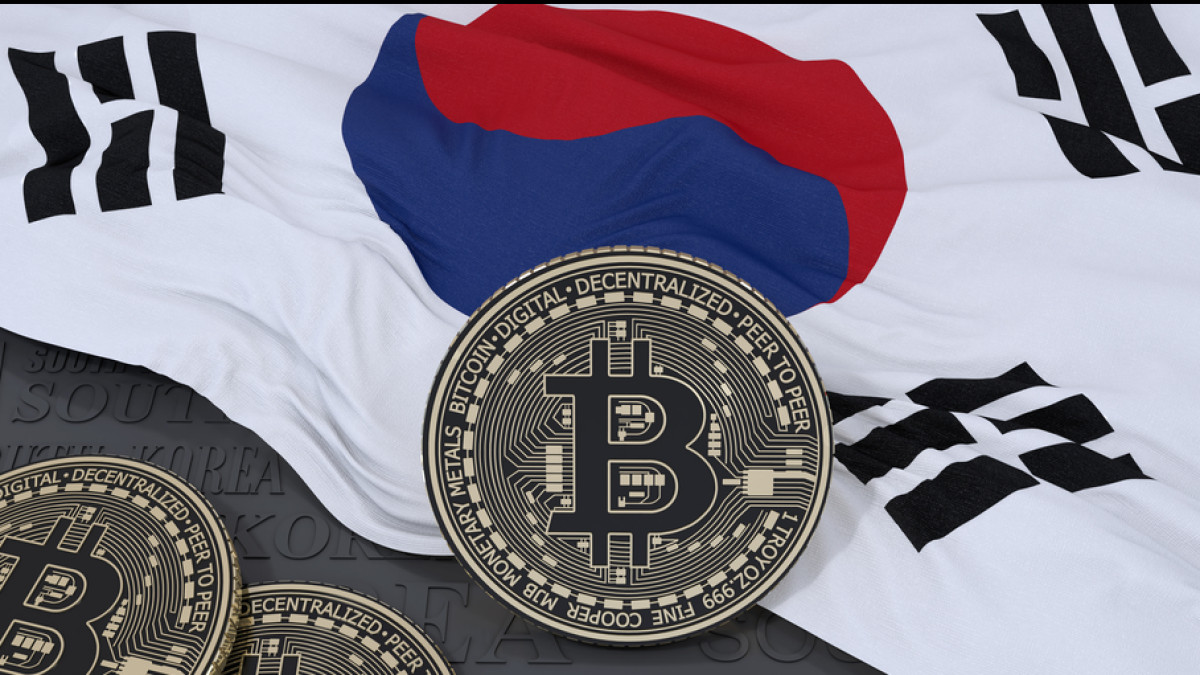
South Korea has ordered a nationwide block on Polymarket, escalating regulatory pressure on the crypto prediction market as authorities reject its argument that decentralized technology places it outside gambling laws. The decision adds another major restriction to a platform already facing scrutiny across several jurisdictions.
The Korea Communications Standards Commission approved the access restriction on August 18, 2026, after determining that Polymarket’s winner-takes-all contracts resemble illegal gambling under South Korea’s Criminal Act. The move follows months of complaints, investigations and regulatory review involving domestic users.
South Korea Rejects Polymarket’s Decentralization Argument
South Korean regulators focused on the nature of Polymarket’s contracts rather than the technology supporting them. They concluded that users are wagering on outcomes they cannot control, including elections, sporting events and weather conditions.
Polymarket has maintained that it is a non-custodial, peer-to-peer platform powered by smart contracts. The company also removed Korean-language services and Korea-focused markets in July, attempting to reduce concerns that it was actively targeting local users.
Regulators were not persuaded. A market related to Seoul’s August rainfall was cited as evidence that Korean users had previously been directly served. Authorities argued that removing localized features does not change the underlying nature of the activity.
The access restriction will require South Korean internet service providers to block domestic access to the platform. Users who attempt to bypass restrictions through VPNs could also face legal exposure. Article 246 of the Criminal Act provides for fines of up to 10 million won, or roughly $6,500.
Regulatory Pressure Builds Across Multiple Markets
The Korean action follows a regulatory process that began in May after complaints prompted a formal review. By June, prosecutors had also begun examining Korean users of the platform.
South Korea is now among several countries that have restricted Polymarket access, including France, Germany, Australia, Indonesia and India. While the legal reasoning differs between jurisdictions, regulators have repeatedly focused on whether real-money prediction contracts effectively function as gambling.
The pressure extends beyond access restrictions. U.S. regulators have warned Polymarket and rival Kalshi about gambling-style prediction products, while policymakers and officials continue to examine the rapidly expanding market for event contracts.
The timing is particularly notable as Polymarket also faces questions surrounding its banking relationships and potential public-market ambitions. A scheduled White House meeting with crypto and prediction-market executives on August 19 adds another layer to an increasingly active policy debate.
What the Block Means for Polymarket
The South Korean decision could have implications beyond the country’s borders. South Korea is a significant cryptocurrency market, and reduced access can potentially affect liquidity, trading activity and the depth of individual prediction markets.
If fewer users can participate directly, active contracts could experience thinner liquidity and wider spreads, although the immediate financial impact of the Korean restriction remains unclear.
For Polymarket, the bigger challenge may be cumulative. Restrictions across multiple major markets make geographic access an increasingly important risk for a platform whose appeal depends heavily on global participation.
Also Read: South Korea Crypto Trading Volume Soars 82% After Stock Market Crash—What’s Driving the Surge?
The South Korean ruling therefore represents more than another blocked website. It reinforces a broader regulatory question facing prediction markets: whether decentralized infrastructure can change the legal treatment of products that regulators believe operate like gambling.
Disclaimer: The information in this article is for general purposes only and does not constitute financial advice. The author’s views are personal and may not reflect the views of Chain Affairs. Before making any investment decisions, you should always conduct your own research. Chain Affairs is not responsible for any financial losses.


I’m a crypto enthusiast with a background in finance. I’m fascinated by the potential of crypto to disrupt traditional financial systems. I’m always on the lookout for new and innovative projects in the space. I believe that crypto has the potential to create a more equitable and inclusive financial system.