|
Getting your Trinity Audio player ready...
|
- JPMorgan filed to launch JLTXX, a tokenized Treasury-backed money market fund on Ethereum.
- The fund targets stablecoin issuers seeking regulated, yield-bearing reserve assets.
- IMF officials continue warning that tokenized finance still faces legal and infrastructure risks.
JPMorgan Chase is expanding its blockchain strategy with a new tokenized money market fund built on Ethereum, signaling growing institutional confidence in real-world asset tokenization.
The banking giant filed with the US Securities and Exchange Commission to launch the “OnChain Liquidity-Token Money Market Fund,” trading under the ticker JLTXX. The fund is designed to give stablecoin issuers a regulated place to hold reserve assets while earning yield on idle capital.
The move comes as traditional financial firms increasingly explore blockchain infrastructure to improve settlement speed, transparency, and operational efficiency.
JPMorgan Targets Stablecoin Reserve Market
According to the filing, JLTXX will primarily invest in short-term US Treasury bills and overnight repurchase agreements backed by Treasurys or cash. The structure is intended to align with the recently enacted GENIUS Act, a US law focused on stablecoin oversight and reserve standards.
The fund requires a minimum investment of $1 million and carries a relatively low annual fee of 0.16%, which Bloomberg ETF analyst Eric Balchunas described as notable for a stable-value money market product.
JPMorgan’s blockchain division, Kinexys Digital Assets, will manage the fund. While the SEC filing becomes effective Wednesday, the bank has not confirmed an official launch date.
Wall Street Accelerates Tokenization Push
Tokenization has become one of the fastest-growing areas of digital finance. Data from RWA.xyz shows more than $32 billion in real-world assets are already tokenized onchain, excluding stablecoins. Assets ranging from government bonds to commodities and real estate are increasingly being represented on blockchain networks.
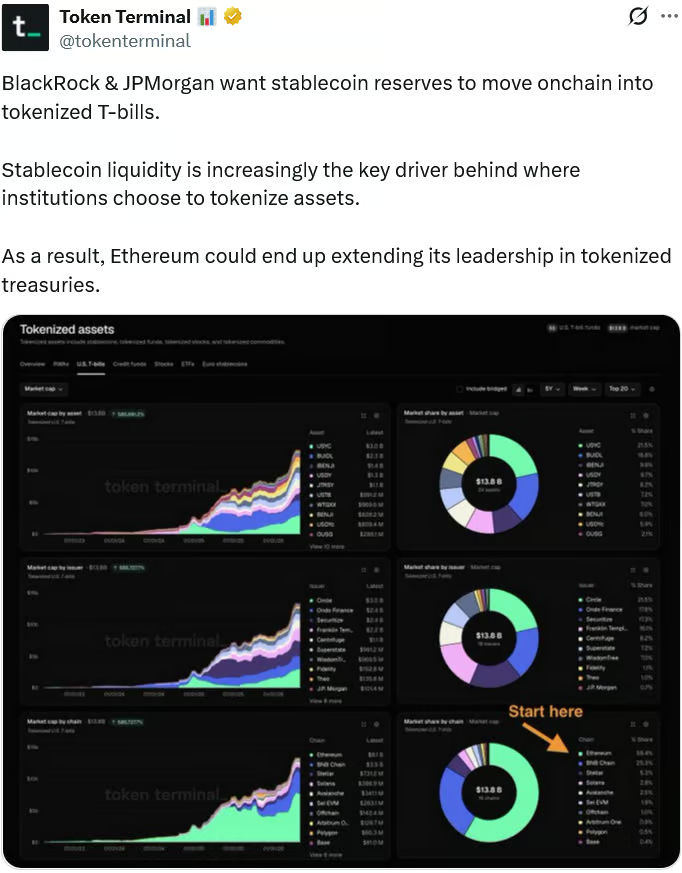
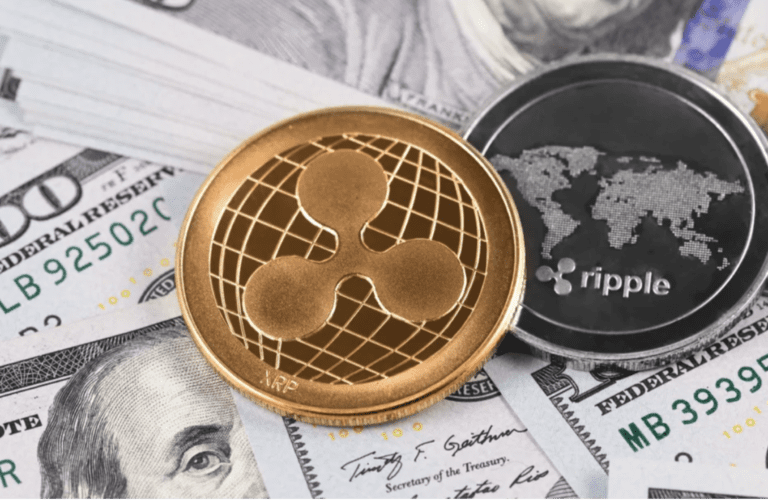
JPMorgan has already tested several blockchain-based financial products. In December, the bank introduced MONY, a tokenized yield fund also operating on Ethereum. More recently, the firm participated in a pilot transaction involving a tokenized US Treasury fund transferred through the XRP Ledger to a Singapore-based JPMorgan account within seconds.
Other major banks are entering the sector as well. Morgan Stanley launched a stablecoin reserve portfolio earlier this year, allowing issuers to earn returns on reserve holdings parked in money market funds.
IMF Warns of Risks in Tokenized Finance
Despite growing adoption, regulators and financial organizations remain cautious about the long-term risks of tokenization.
The International Monetary Fund warned in an April report that tokenized markets could create new vulnerabilities by shifting risk away from traditional banking systems and into smart contracts and shared ledger infrastructure.
The IMF also noted that unresolved legal questions surrounding ownership rights and settlement finality could slow mainstream adoption and fragment liquidity across blockchain ecosystems.
Also Read: XRP Breaks Key Resistance as JPMorgan XRPL Pilot Ignites $1.80 Price Talk
Some crypto industry figures, including Kevin O’Leary, have argued that broader crypto market structure legislation such as the CLARITY Act will be necessary before tokenized financial products can scale globally.
JPMorgan’s latest filing highlights how quickly tokenized finance is moving from experimentation to institutional deployment. By combining traditional money market structures with blockchain rails, banks are positioning tokenization as a bridge between conventional finance and digital assets. Still, regulatory clarity and infrastructure risks remain key hurdles as adoption expands.
Disclaimer: The information in this article is for general purposes only and does not constitute financial advice. The author’s views are personal and may not reflect the views of Chain Affairs. Before making any investment decisions, you should always conduct your own research. Chain Affairs is not responsible for any financial losses.

I’m a crypto enthusiast with a background in finance. I’m fascinated by the potential of crypto to disrupt traditional financial systems. I’m always on the lookout for new and innovative projects in the space. I believe that crypto has the potential to create a more equitable and inclusive financial system.