|
Getting your Trinity Audio player ready...
|
- Israel approved BILS, a fully backed shekel-pegged stablecoin under strict regulation.
- A pilot program will test its performance before nationwide adoption.
- The move reflects intensifying global competition in the $320B stablecoin market.
Israel has officially entered the fast-growing stablecoin race, approving a new shekel-pegged digital currency as governments worldwide accelerate efforts to modernize payments. The move signals a cautious but strategic step toward integrating blockchain-based finance into the country’s regulated financial system.
BILS Stablecoin Gets Regulatory Green Light
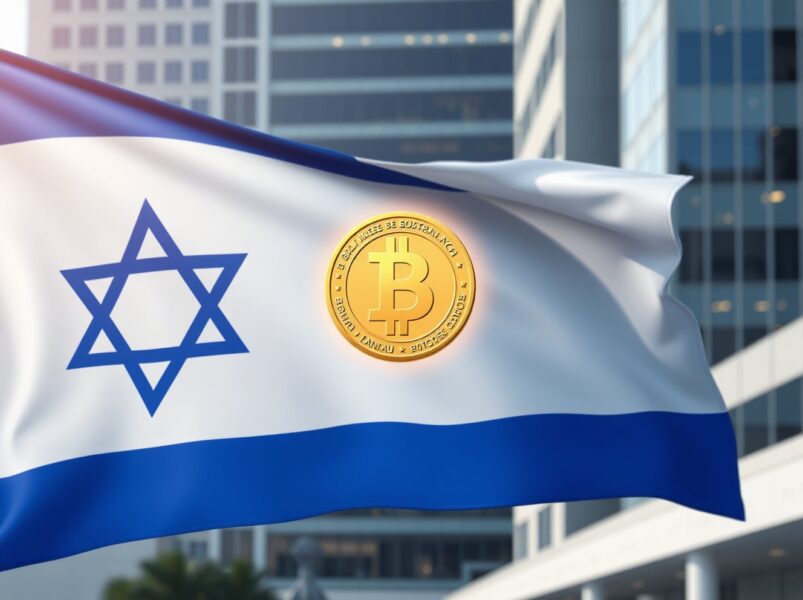
On April 27, Israel’s Capital Market Insurance and Savings Authority authorized the issuance of BILS, a stablecoin pegged to the Israeli shekel. The license was granted to Bits of Gold, a regulated virtual asset service provider, under strict compliance conditions.
To ensure stability and user trust, the company must hold full reserves in Israeli bank accounts corresponding to every token issued. This structure guarantees that BILS can be redeemed for fiat currency at any time, aligning with global best practices for asset-backed stablecoins.
Regulators emphasized robust safeguards, including cybersecurity protocols, operational resilience, and continuous reporting requirements. These measures aim to reduce risks often associated with digital assets while maintaining transparency.
Pilot Phase to Test Functionality
Rather than launching nationwide immediately, Israeli authorities will introduce BILS through a controlled pilot program. This limited rollout will allow regulators to assess real-world performance, identify risks, and refine oversight mechanisms before broader adoption.
At the same time, Israel is preparing a comprehensive Stablecoin Law memorandum. The draft will soon be released for public consultation, inviting feedback from businesses, developers, and financial experts. The goal is to establish clear, unified rules governing issuance, backing, and usage across the sector.
If successful, BILS could enable faster and cheaper payments, improve cross-border transfers, and support real-time settlement between businesses—key advantages that stablecoins promise over traditional systems.
Global Stablecoin Race Intensifies
Israel’s move comes amid rapid growth in the global stablecoin market, which has surpassed $320 billion in total capitalization. Despite strong transaction volumes, analysts note that liquidity remains relatively flat, reflecting cautious investor sentiment.

Elsewhere, Europe’s EURC is gradually gaining traction, while Japan is preparing large-scale yen-backed stablecoin initiatives. In the United States, regulatory progress remains uneven, with proposed legislation advancing slowly amid policy debates.
Industry leaders are also looking ahead. Circle CEO Jeremy Allaire recently suggested that a yuan-backed stablecoin could emerge within the next few years, underscoring intensifying competition among major economies.
Also Read: Metaplanet Adds 1,111 BTC, Stock Drops 4% on Iran-Israel Conflict
Meanwhile, the Bank for International Settlements has called for greater international coordination, highlighting the need for consistent global standards as stablecoins expand across borders.
Israel’s approval of the BILS stablecoin marks a significant step in its digital finance strategy. By combining strict oversight with a phased rollout, regulators are aiming to balance innovation with financial stability. As global competition heats up, the success of BILS could position Israel as a key player in the evolving stablecoin ecosystem.
Disclaimer: The information in this article is for general purposes only and does not constitute financial advice. The author’s views are personal and may not reflect the views of Chain Affairs. Before making any investment decisions, you should always conduct your own research. Chain Affairs is not responsible for any financial losses.

I’m your translator between the financial Old World and the new frontier of crypto. After a career demystifying economics and markets, I enjoy elucidating crypto – from investment risks to earth-shaking potential. Let’s explore!