|
Getting your Trinity Audio player ready...
|
- PeerDAS is already live, expanding Ethereum’s data capacity without harming decentralization
- zkEVMs are performance-ready and expected to play a growing role over the next four years
- Ethereum’s long-term roadmap now shows a credible path to solving the blockchain trilemma
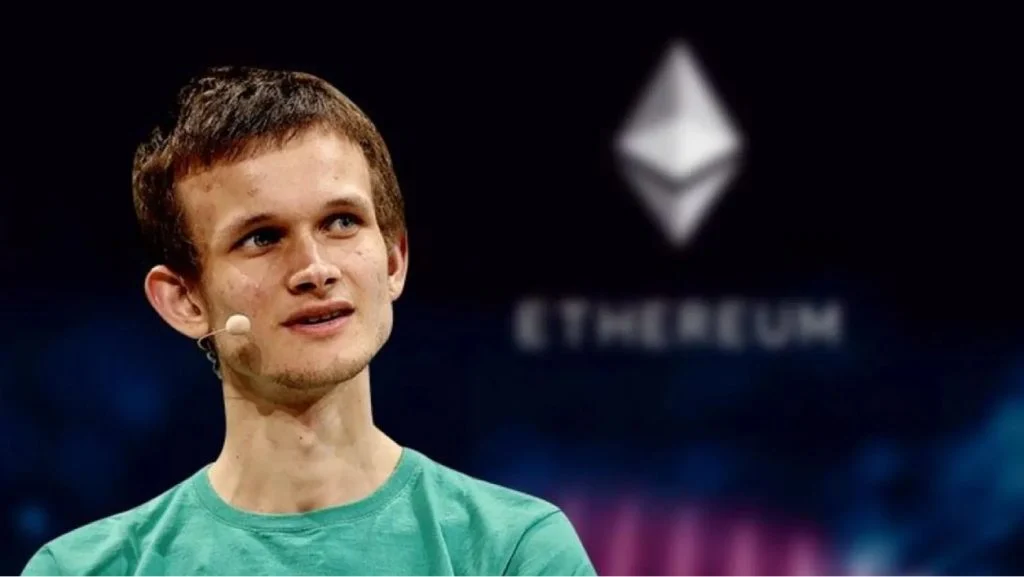
Ethereum may be approaching a milestone many in crypto once considered unreachable. According to co-founder Vitalik Buterin, the network has effectively cracked the blockchain “trilemma” — the long-standing challenge of achieving scalability, security, and decentralization at the same time.
In a recent post, Buterin pointed to two major technological shifts — Peer Data Availability Sampling (PeerDAS) and zero-knowledge Ethereum Virtual Machines (zkEVMs) — as evidence that Ethereum’s years-long roadmap is finally delivering tangible results.
How PeerDAS Changes Ethereum’s Scalability Ceiling
PeerDAS is already live on Ethereum’s mainnet following the Fusaka upgrade in December. Its role is straightforward but powerful: it allows the network to handle far more data without forcing every node to store everything.
By sampling data rather than downloading it in full, validators can confirm availability while keeping hardware requirements low. That matters for decentralization, as it prevents Ethereum from drifting toward a system dominated by large, resource-heavy operators.
In practice, PeerDAS expands Ethereum’s data bandwidth while preserving its open validator set — a balance many blockchains struggle to maintain.
zkEVMs: Performance Is Here, Security Comes Next
The second pillar of Buterin’s argument is zkEVMs, which allow Ethereum blocks to be verified using zero-knowledge proofs while remaining compatible with existing smart contracts.
While zkEVMs are not yet the default validation method, Buterin noted that they are already performant enough for real-world use. The remaining work lies in strengthening security guarantees before wider adoption.
Over the next several years, zkEVMs are expected to gradually take on a larger role, eventually becoming the primary way blocks are validated on Ethereum.
Also Read: The Intelligent Ledger: How AI and Cross-Chain Interoperability are Redefining DeFi in 2026
A Multi-Year Rollout With Clear Milestones
Buterin outlined a phased timeline stretching into the late 2020s. Near-term upgrades focus on safely increasing gas limits, while later stages shift more validation responsibility to zkEVM-based systems.
If the roadmap holds, Ethereum could support far higher throughput without sacrificing its decentralized structure — something earlier generations of blockchains failed to achieve.
Ten Years in the Making
Ethereum’s push to solve the trilemma did not happen overnight. Buterin traced the effort back to early research on data availability in 2017, calling the current moment the result of a decade of sustained engineering.
While challenges remain — particularly around zkEVM security — Ethereum now appears closer than ever to delivering on its original promise: a scalable, secure, and decentralized global settlement layer.
Disclaimer: The information in this article is for general purposes only and does not constitute financial advice. The author’s views are personal and may not reflect the views of Chain Affairs. Before making any investment decisions, you should always conduct your own research. Chain Affairs is not responsible for any financial losses.