|
Getting your Trinity Audio player ready...
|
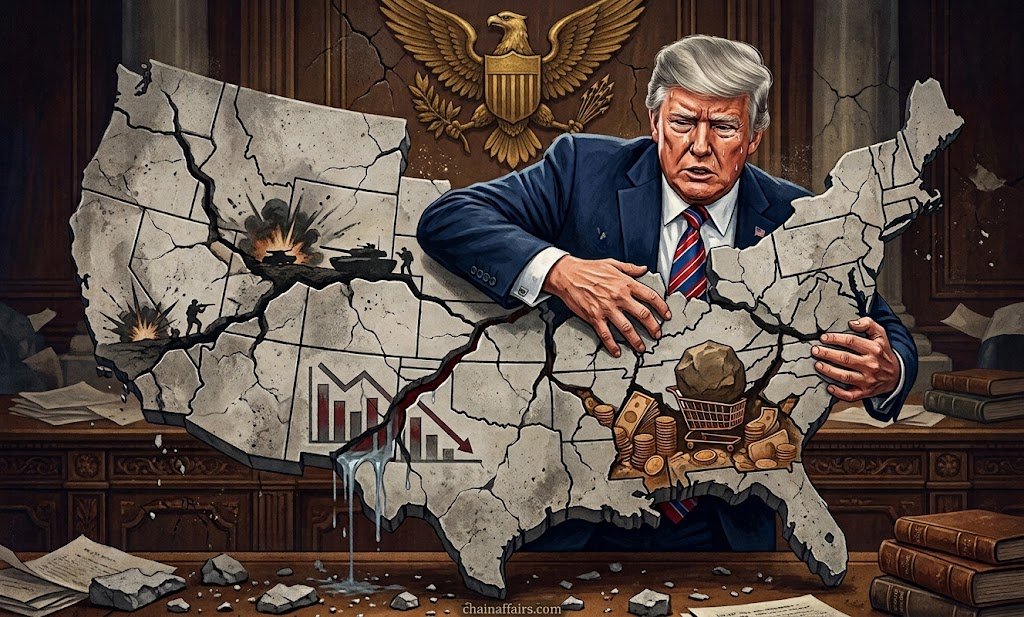
Midway through his second presidential term, Donald Trump’s agenda is facing formidable headwinds. The administration’s economic ledger reflects near-record public debt, escalating energy costs, and elevated borrowing rates. With key indicators like annual GDP expansion slowing to a range between 1.5 and 2.1 percent—falling well short of initial growth targets—sustained financial pressures are putting consumer confidence and White House policy to the test.
Fiscal Pressure Mounts as National Debt Surpasses $40 Trillion
This fiscal stress culminated in a historic threshold when U.S. national debt surpassed $40 trillion. Driven by tax cuts and war expenditures in Iran, borrowing has accelerated at its fastest non-pandemic pace. Long-term Treasury yields jumped to a 19-year peak, signaling investor alarm over fiscal sustainability.
Treasury Secretary Scott Bessent intervened to calm markets by proposing plans to double long-term debt purchases and promising future deficit reduction. Yet bond yields remained stubborn and the dollar faltered. Eswar Prasad, an economics professor at Cornell University, noted that such market interventions convey an “air of desperation” that risks further dampening investor sentiment.
The geopolitical campaign in Iran has further exacerbated inflationary pressures, directly clashing with campaign commitments to halve energy costs. Domestic retail gas prices surged 40 percent to $4.11 per gallon, while diesel rose to $5.58 per gallon. Consequently, middle-market shelter costs have mounted, pushing 30-year fixed mortgage rates up to 6.65 percent. Although annual CPI inflation moderated from its 4.2 percent peak to 3.4 percent, the Federal Reserve remains cautious, choosing not to adjust rates despite market jitters over persistent structural inflation.
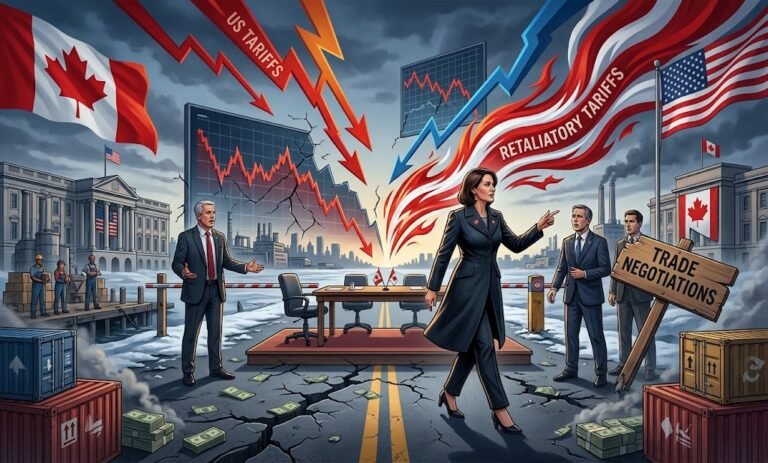
Also Read: Canada Walks Away From U.S. Trade Deal, Vowing Retaliatory Tariffs as Market Strains Mount
Tariff Relief Moves Spark Pushback from Agriculture Sector
Confronting voter dissatisfaction over basic living costs ahead of congressional elections, the administration has pivoted toward temporary market interventions. The White House announced a 90-day executive waiver on out-of-quota tariffs for 300,000 metric tons of imported ground beef trimmings. The administration claims the arrangement will deliver ground beef at 25 percent below current market rates.
However, the tariff relief plan generated swift pushback from key agricultural stakeholders. Republican lawmakers and industry leaders—including the National Cattlemen’s Beef Association—warn that flooding domestic markets with subsidized foreign imports undercuts American producers trying to rebuild drought-depleted herds. Analysts note that while imported beef primarily serves fast-food and food service supply chains, long-term stabilization requires broader structural incentives for domestic ranchers rather than short-term import measures.
Disclaimer: The information in this article is for general purposes only and does not constitute financial advice. The author’s views are personal and may not reflect the views of Chain Affairs. Before making any investment decisions, you should always conduct your own research. Chain Affairs is not responsible for any financial losses.

I’m a crypto enthusiast with a background in finance. I’m fascinated by the potential of crypto to disrupt traditional financial systems. I’m always on the lookout for new and innovative projects in the space. I believe that crypto has the potential to create a more equitable and inclusive financial system.