- South Korea’s crypto trading volume climbed 82% as stock market volatility intensified.
- Upbit and Bithumb recorded massive increases in USDT and overall trading activity.
- A strong KOSPI recovery could reduce crypto trading momentum in the coming weeks.
South Korea’s cryptocurrency market experienced a sharp increase in trading activity after a dramatic stock market sell-off drove investors to seek alternative sources of liquidity. Trading volume across the country’s five largest crypto exchanges surged to $964 million on July 28, marking an 82% jump from the previous month’s daily average.
The spike came as the South Korean stock market endured one of its steepest declines in years, raising questions about whether investors temporarily shifted away from equities and into digital assets. While analysts disagree on the exact reason behind the surge, the data highlights how quickly trading behavior can change during periods of financial stress.
Crypto Exchanges Record Massive Trading Spike
The largest gains were recorded on Upbit, where KRW-USDT trading volume climbed from roughly $20 million to nearly $140 million in a matter of days. Overall trading activity on the exchange also expanded significantly, peaking at approximately $743 million before easing.
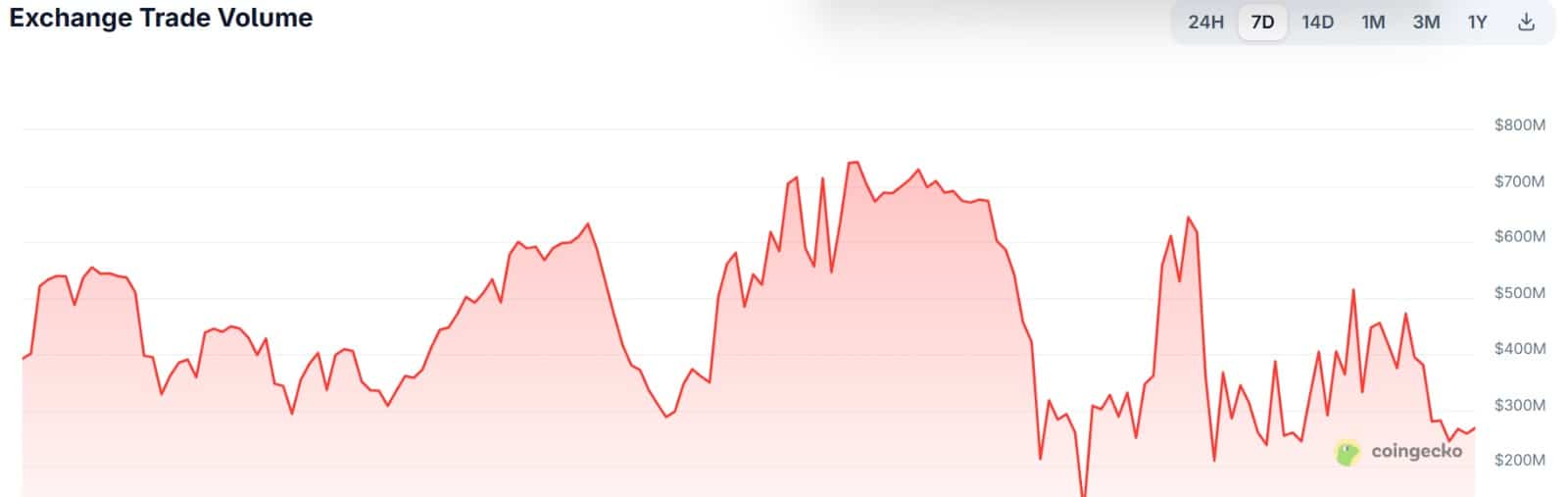
Bithumb experienced a similar trend. Daily trading volume jumped from around $81 million to $436 million before settling closer to $144 million. Even after the pullback, activity remained well above levels seen earlier in the week.
The surge suggests traders actively sought liquidity as uncertainty spread across traditional financial markets.
Stock Market Volatility Drives Investor Repositioning
The increase in crypto trading coincided with a severe correction in South Korea’s benchmark KOSPI index. Over five trading sessions, the index fell more than 20%, weighed down by heavy selling in semiconductor stocks and repeated market circuit breakers.
The decline erased roughly 864 trillion won in market value, creating widespread volatility across financial markets.
Some market observers believe part of that capital temporarily moved into cryptocurrencies, pointing to the sharp rise in USDT trading as evidence of investors looking for safer or more flexible trading options. However, there is no definitive proof that stock market losses directly flowed into digital assets.
Others argue the higher crypto volumes reflected investors selling digital assets to meet margin requirements or transferring funds abroad to trade Korean equity derivatives.
Will Crypto Activity Slow as Stocks Recover?
The picture changed quickly after the sell-off.
South Korean equities staged a strong rebound, with estimates suggesting hundreds of trillions of won returned to the stock market. The KOSPI recovered much of its recent losses, climbing more than 18% from its lows.
If confidence in equities continues to improve, cryptocurrency trading volumes could gradually return to more typical levels. Nevertheless, the recent surge demonstrated how rapidly South Korean investors adjust their portfolios when market conditions become volatile.
Also Read: South Korea’s Chip Giants Bet Big on AI: 5 Reasons Markets Remain Nervous
The sharp rise in South Korea’s crypto trading volume underscores the growing connection between traditional financial markets and digital assets. Although it remains unclear whether investors directly shifted money from stocks into crypto, the episode illustrates crypto’s increasing role as an alternative trading venue during periods of market uncertainty. As volatility continues to shape investor decisions, both stock and cryptocurrency markets are likely to remain closely linked.
Disclaimer: The information in this article is for general purposes only and does not constitute financial advice. The author’s views are personal and may not reflect the views of Chain Affairs. Before making any investment decisions, you should always conduct your own research. Chain Affairs is not responsible for any financial losses.

I’m your translator between the financial Old World and the new frontier of crypto. After a career demystifying economics and markets, I enjoy elucidating crypto – from investment risks to earth-shaking potential. Let’s explore!