|
Getting your Trinity Audio player ready...
|
- Bloomberg reports that Tether sought to influence negotiations surrounding the GENIUS Act.
- The investigation focuses on stablecoin compliance rules, foreign issuers, and policy discussions.
- Tether has not publicly responded to Bloomberg’s findings at the time of publication.
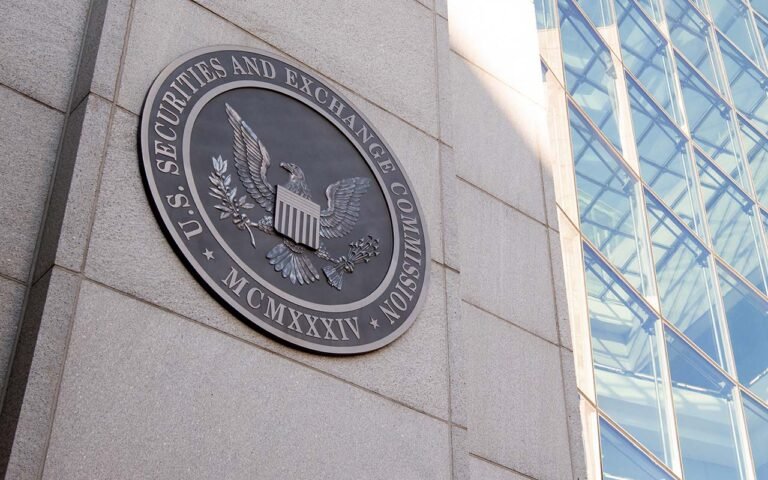
The passage of the GENIUS Act marked a major milestone for cryptocurrency regulation in the United States, creating the country’s first federal framework for payment stablecoins. Now, a new Bloomberg investigation is drawing attention to the role Tether may have played behind the scenes as lawmakers finalized the legislation.
According to Bloomberg, the investigation suggests the stablecoin issuer actively participated in discussions surrounding key provisions of the bill through lobbying efforts, policy engagement, and relationships with influential figures in Washington. The report is based on interviews with current and former government officials, industry sources, court records, and financial disclosures.
Bloomberg Highlights Tether’s Washington Strategy
Bloomberg’s investigation outlines how Tether executives and advisers reportedly worked to influence negotiations as Congress crafted the GENIUS Act. The company is said to have focused on provisions affecting foreign stablecoin issuers, including reserve standards, compliance obligations, and access to the U.S. financial system.
The report also examines Tether’s interactions with senior officials, including Commerce Secretary Howard Lutnick and White House AI and crypto adviser David Sacks. Bloomberg states that it reviewed multiple public records while speaking with individuals familiar with the legislative process to build its findings.
The investigation portrays the negotiations as a lengthy process involving lawmakers, regulators, and private industry stakeholders seeking to shape the final legislation.
Stablecoin Rules Changed During Negotiations
One of the central themes of Bloomberg’s report is how the GENIUS Act evolved before becoming law.
According to the publication, lawmakers debated several issues tied to foreign-issued stablecoins, including reciprocal regulatory recognition, anti-money laundering standards, and implementation timelines for new compliance requirements.
Bloomberg noted that the final version of the legislation differs from earlier drafts, particularly regarding how overseas issuers can continue serving U.S. customers. These revisions reportedly became a key focus of discussions throughout the legislative process.
The resulting law establishes a nationwide regulatory structure for payment stablecoins, providing clearer expectations for issuers while introducing new oversight measures.
Ardoino Previously Welcomed the New Law
The investigation follows Tether CEO Paolo Ardoino’s appearance at the White House during President Donald Trump’s signing ceremony for the GENIUS Act.
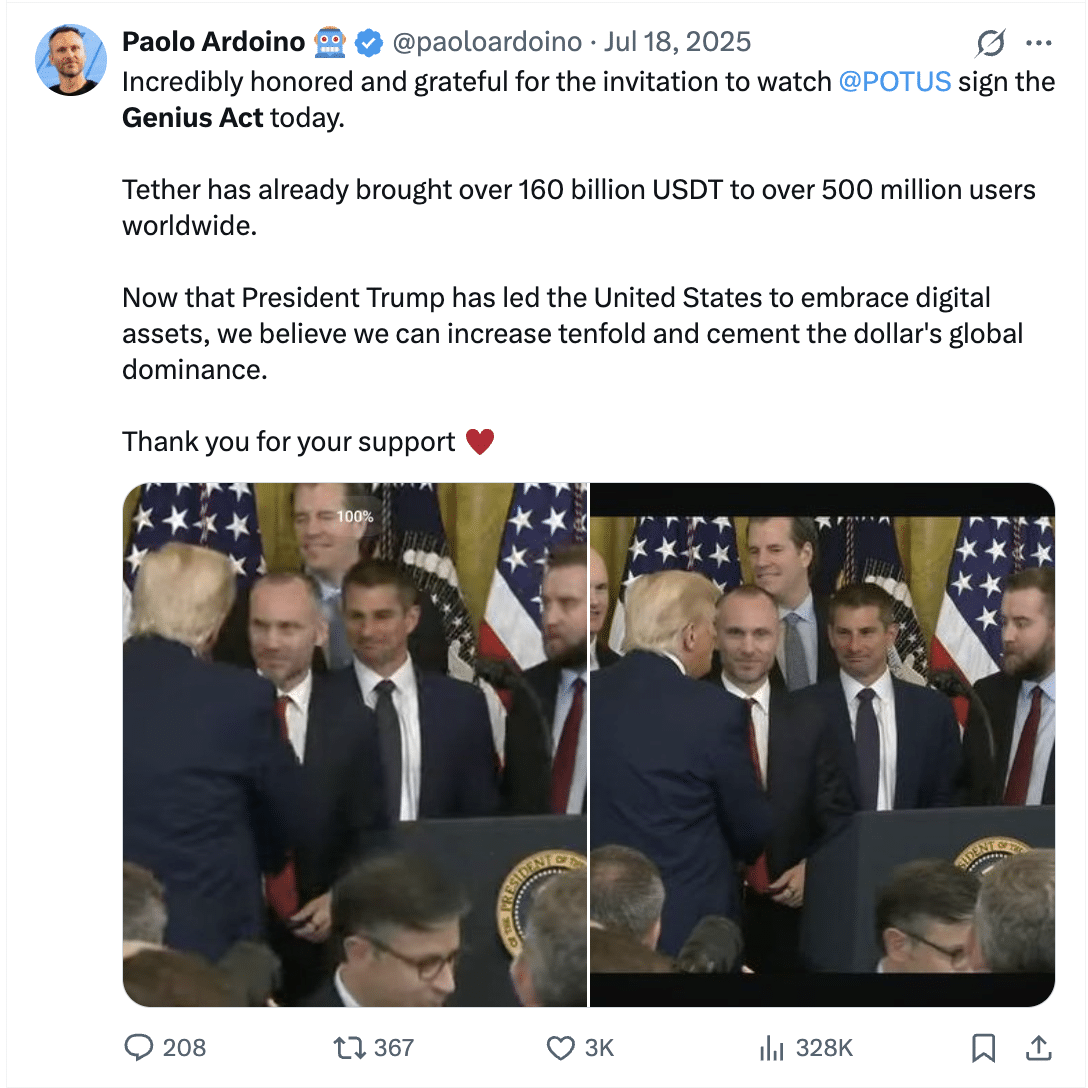
Following the event, Ardoino publicly praised the administration’s support for digital assets, saying the legislation could strengthen the global role of USDT while reinforcing the U.S. dollar’s international influence.
As of publication, neither Ardoino nor Tether has publicly responded to Bloomberg’s investigation or the allegations outlined in the report.
Also Read: Tether Brings USDT Back to Bitcoin: 5 Things Investors Need to Know
Bloomberg’s investigation adds a new dimension to the conversation surrounding the GENIUS Act by examining how one of the crypto industry’s largest companies may have sought to influence the legislative process. While the report raises questions about lobbying and policymaking, the legislation itself represents a landmark step toward establishing comprehensive federal stablecoin regulation. Whether Tether addresses the investigation remains to be seen, but the report is likely to fuel continued debate over the relationship between cryptocurrency firms and Washington policymakers.
Disclaimer: The information in this article is for general purposes only and does not constitute financial advice. The author’s views are personal and may not reflect the views of Chain Affairs. Before making any investment decisions, you should always conduct your own research. Chain Affairs is not responsible for any financial losses.

I’m your translator between the financial Old World and the new frontier of crypto. After a career demystifying economics and markets, I enjoy elucidating crypto – from investment risks to earth-shaking potential. Let’s explore!