|
Getting your Trinity Audio player ready...
|
- Charles Hoskinson expects crypto prices to remain under pressure before a stronger recovery begins.
- Regulation and tokenized real-world assets could become the biggest drivers of the next bull market.
- Public companies are replacing buy-and-hold Bitcoin strategies with more flexible treasury management.
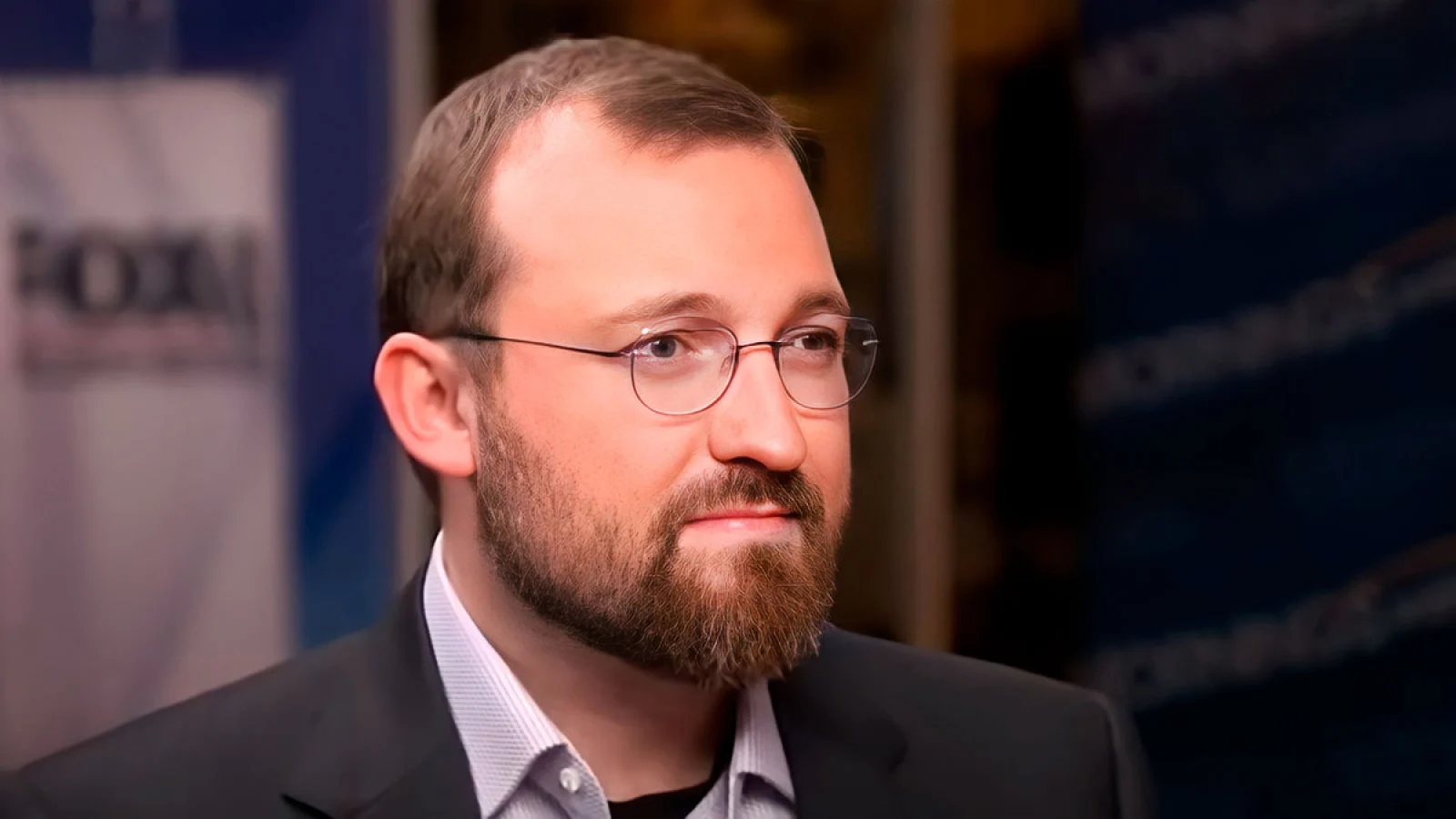
The cryptocurrency market may still have several challenging months ahead, but long-term optimism remains intact, according to Cardano founder Charles Hoskinson. While digital asset prices continue to struggle despite steady technological progress, Hoskinson believes the next major crypto cycle will be built on regulation, tokenized real-world assets (RWAs), and deeper integration with traditional finance.
At the same time, a growing number of publicly traded companies are rethinking their Bitcoin treasury strategies. Instead of simply accumulating crypto, many firms are selling holdings, managing liquidity more actively, or exiting digital assets altogether. Together, these developments highlight a maturing market that is shifting its focus from speculation to sustainable growth.
Hoskinson Says Crypto Needs More Time Before Recovery
Hoskinson argues that the current market resembles the late stages of a bear cycle, with investor sentiment remaining weak. Despite significant innovation across blockchain networks, prices have yet to reflect the industry’s progress.
He estimates the market may require another three to six months before sentiment improves. Rather than relying on faster blockchains alone, Hoskinson believes future growth will come from infrastructure capable of supporting compliance, legal frameworks, consumer protection, and institutional adoption.
He also points to regulated players such as Ripple, Circle, Tether, Binance, and Canton as examples of companies helping bridge traditional finance and blockchain technology.
Regulation and RWAs Could Fuel the Next Crypto Bull Market
According to Hoskinson, regulation could become the biggest catalyst for the next market expansion. If the CLARITY Act is approved, he expects fresh institutional capital to enter the crypto market, potentially triggering a strong rally.
However, he cautions that an initial surge could be followed by a temporary correction before a more sustainable uptrend develops.
Beyond regulation, Hoskinson sees tokenized real-world assets as the industry’s largest long-term opportunity. Over the next three to five years, trillions of dollars in assets could move on-chain, bringing billions of new users into blockchain ecosystems and expanding crypto beyond its traditional audience.
Corporate Bitcoin Treasury Strategies Are Rapidly Evolving
While industry leaders remain optimistic about blockchain adoption, public companies are becoming more pragmatic with their crypto holdings.
Several firms, including Satsuma Technology, Bitdeer, Sequans Communications, Genius Group, and Prenetics, have exited or significantly reduced their Bitcoin exposure. Their decisions were driven by debt repayment, liquidity requirements, business restructuring, or strategic shifts such as investments in artificial intelligence.
Meanwhile, larger companies like MARA Holdings and Strategy have sold portions of their Bitcoin reserves without abandoning their overall crypto strategies. Others, including Nakamoto Inc., Cango, Exodus, and DigitalX, are moving toward active treasury management instead of long-term accumulation.
This marks a significant shift in how corporations view digital assets—not as untouchable reserves, but as flexible financial tools that can support broader business objectives.
Hoskinson also identified artificial intelligence as a key external factor. A sharp downturn in AI could spill over into crypto markets, while continued AI growth could eventually help digital assets separate from the broader technology sector.
He further noted that blockchain’s biggest competitors are no longer rival crypto networks but major corporations and financial institutions entering the space. The industry’s challenge will be expanding adoption without losing the decentralized principles that define it.
Also Read: Charles Hoskinson Warns US Politics Is Holding Crypto Back—Here’s Why It Matters
Although crypto markets may remain under pressure in the coming months, the broader outlook appears increasingly tied to regulation, institutional participation, and real-world asset tokenization rather than speculative trading. At the same time, companies are adopting more disciplined treasury strategies, signaling that the digital asset industry is entering a more mature phase where capital efficiency and practical adoption matter as much as long-term conviction.
Disclaimer: The information in this article is for general purposes only and does not constitute financial advice. The author’s views are personal and may not reflect the views of Chain Affairs. Before making any investment decisions, you should always conduct your own research. Chain Affairs is not responsible for any financial losses.

I’m your translator between the financial Old World and the new frontier of crypto. After a career demystifying economics and markets, I enjoy elucidating crypto – from investment risks to earth-shaking potential. Let’s explore!