|
Getting your Trinity Audio player ready...
|
- Democrats remain divided over the White House’s proposed crypto ethics agreement.
- Ethics enforcement has become the biggest hurdle for the CLARITY Act.
- Prediction market odds improved, but bipartisan negotiations remain unresolved.
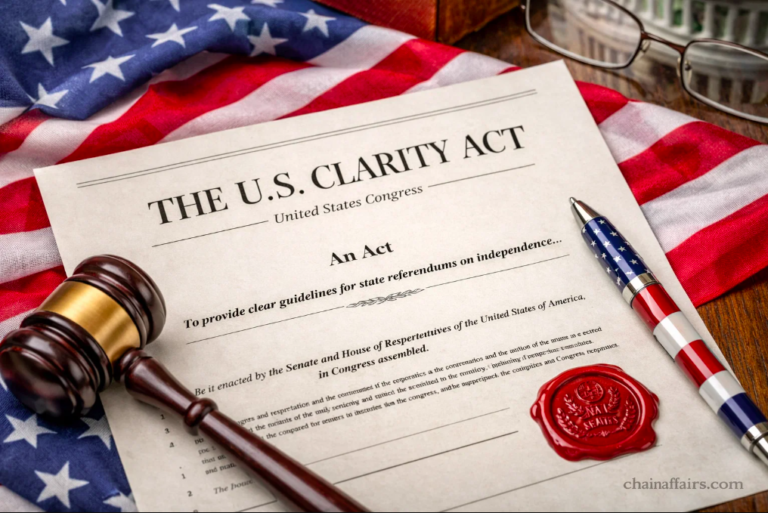
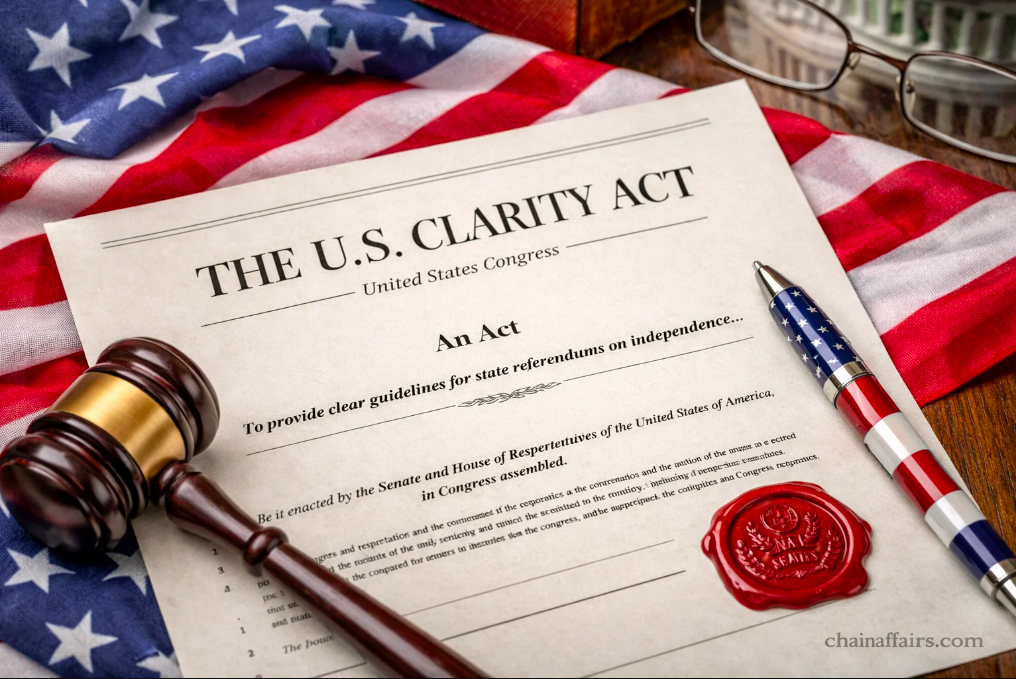
Efforts to advance the CLARITY Act have entered another critical phase as Democratic senators remain split over a proposed ethics agreement tied to cryptocurrency oversight. While negotiations continue behind closed doors, disagreements over who should enforce ethics rules for senior government officials have become one of the biggest obstacles to securing enough support for the legislation.
The dispute comes at a pivotal moment for the crypto industry, which has been closely watching Congress for clearer regulatory rules. With Republicans expected to need bipartisan backing to move the bill forward, the outcome of these ethics negotiations could determine whether the CLARITY Act reaches the Senate floor successfully.
Democrats Push Back on White House Ethics Proposal
The latest proposal would make the Department of Justice (DoJ) the exclusive authority responsible for enforcing ethics violations involving the president and other top executive officials connected to cryptocurrency matters.
Several Democratic lawmakers argue that approach does not go far enough. Earlier proposals favored allowing state attorneys general to investigate and enforce potential violations, creating broader oversight rather than concentrating authority within the federal government.
Sen. Angela Alsobrooks described the current proposal as insufficient, despite expressing support for continued negotiations. She indicated she would not support the CLARITY Act if the final legislation leaves the DoJ as the sole enforcement body.
Sen. Ruben Gallego echoed similar concerns, signaling that Democrats are unlikely to back legislation they believe lacks meaningful accountability measures.
Ethics Debate Becomes Major Obstacle
The disagreement is especially significant because Alsobrooks and Gallego were the only Democratic senators who previously voted in favor of advancing the CLARITY Act during committee consideration.
For the legislation to clear the Senate, Republicans are expected to require between seven and ten Democratic votes to reach the 60-vote threshold. That makes ongoing bipartisan negotiations increasingly important.
The ethics provisions have now emerged as one of the central issues that could determine the bill’s future, overshadowing broader discussions around crypto market regulation.
Internal Democratic Tensions Grow
The debate has also exposed divisions within the Democratic Party itself.
Progressive advocacy groups, including Indivisible, Demand Progress, and the Revolving Door Project, have criticized Sen. Kirsten Gillibrand over what they describe as a potential conflict of interest due to her family’s ties to the cryptocurrency industry.
The criticism adds another layer of political pressure as lawmakers attempt to balance stronger ethics safeguards with advancing long-awaited digital asset legislation.
Meanwhile, prediction market data reflected growing optimism after the latest negotiations, with estimated odds of the CLARITY Act passing rising from 38% to 47% during the week.
Still, Fundstrat’s Sean Farrell suggested the probability could ultimately be higher than prediction markets indicate, arguing those markets may not fully reflect legislative dynamics.
The CLARITY Act remains one of the most closely watched crypto bills in Congress, but its path forward now depends heavily on resolving disagreements over ethics enforcement.
Also Read: CLARITY Act Hits Another Wall: Can Crypto Regulation Survive Senate Gridlock?
Whether lawmakers can reach a compromise that satisfies both accountability concerns and bipartisan support will likely determine if the legislation advances. Until then, ethics—not crypto policy itself—appears to be the defining challenge facing the bill.
Disclaimer: The information in this article is for general purposes only and does not constitute financial advice. The author’s views are personal and may not reflect the views of Chain Affairs. Before making any investment decisions, you should always conduct your own research. Chain Affairs is not responsible for any financial losses.

I’m your translator between the financial Old World and the new frontier of crypto. After a career demystifying economics and markets, I enjoy elucidating crypto – from investment risks to earth-shaking potential. Let’s explore!