
|
Getting your Trinity Audio player ready...
|
- Bitcoin and gold are both experiencing declining institutional demand as macro hedge trades unwind.
- U.S. spot Bitcoin ETFs recorded $5.4 billion in net outflows during the first half of 2026.
- Upcoming U.S. inflation data could determine Bitcoin’s next major price direction.
Bitcoin and gold, two of the market’s most popular hedge assets, are both struggling to attract investors as shifting macroeconomic conditions weaken demand for traditional safe-haven trades. After months of uncertainty fueled by geopolitical tensions and inflation concerns, fresh signs of easing risks are prompting investors to rotate away from defensive assets.
Recent data suggests institutional investors have reduced exposure to both Bitcoin and gold, while exchange-traded funds (ETFs) tracking the assets have recorded notable outflows. Although a weaker-than-expected U.S. jobs report briefly improved sentiment, analysts say a sustained recovery will depend on upcoming inflation data and Federal Reserve policy expectations.
Institutional Investors Pull Back From Bitcoin and Gold
The unwind of the so-called “debasement trade” has accelerated as progress in U.S.-Iran diplomacy reduced some of the geopolitical fears that previously supported demand for hedging assets.
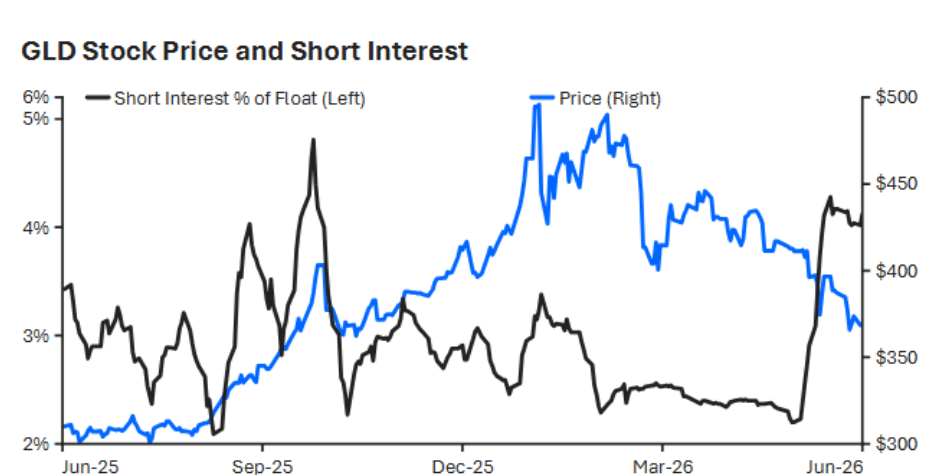
Bloomberg ETF analyst Eric Balchunas observed that both Bitcoin and gold are experiencing similar capital outflow trends. Gold-backed ETFs have seen rising short interest, reflecting growing bearish positioning, while Bitcoin has followed a comparable path.
The cryptocurrency has struggled throughout 2026 after failing to extend its second-quarter rebound above $83,000. Bitcoin recently fell to a new yearly low near $57,700 before recovering toward the $62,000 level following softer U.S. employment data.
At the same time, U.S. spot Bitcoin ETFs posted net outflows totaling roughly $5.4 billion during the first half of 2026—the first negative half-year since the products launched in 2024. The data highlights weakening institutional appetite despite continued long-term interest in digital assets.
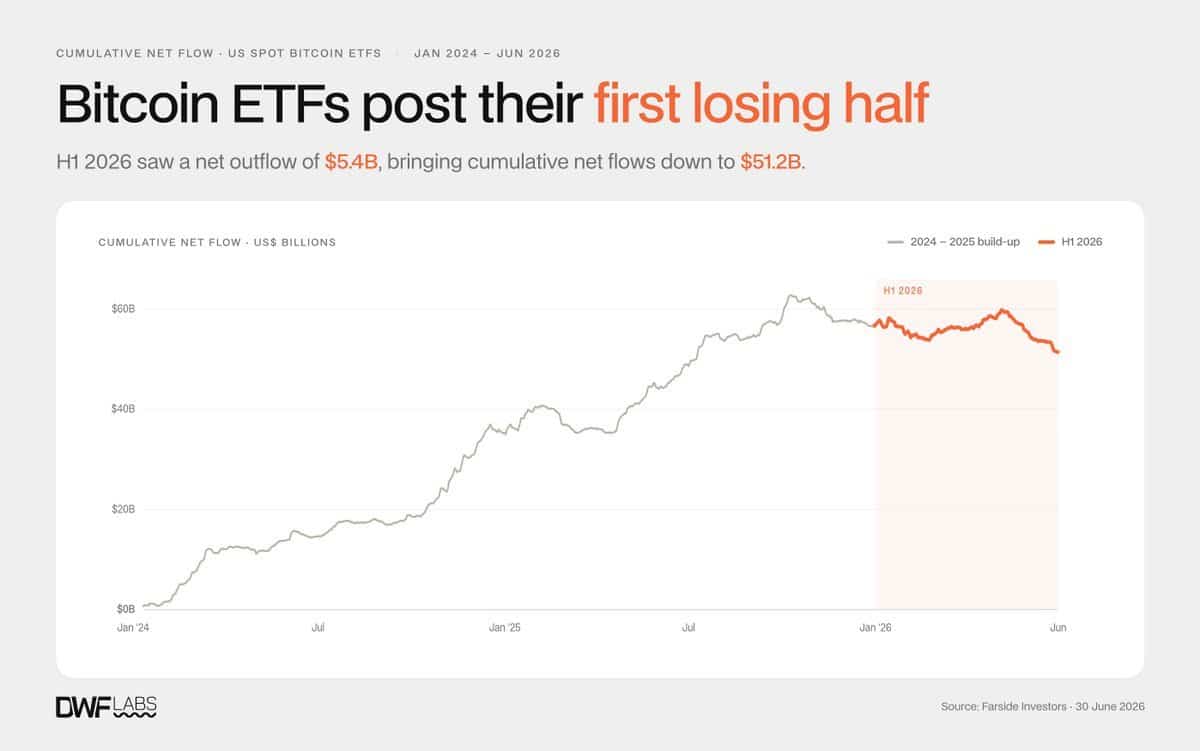
ETF Flows Signal Weak Institutional Demand
Futures market positioning tells a similar story. Commitments of Traders (COT) data from the Chicago Mercantile Exchange has remained largely negative throughout 2026, indicating that major institutional traders have generally maintained bearish positions on Bitcoin.
Meanwhile, blockchain data shows Bitcoin whales have continued accumulating coins during the downturn. However, those purchases have not been large enough to offset the broader decline in institutional demand.
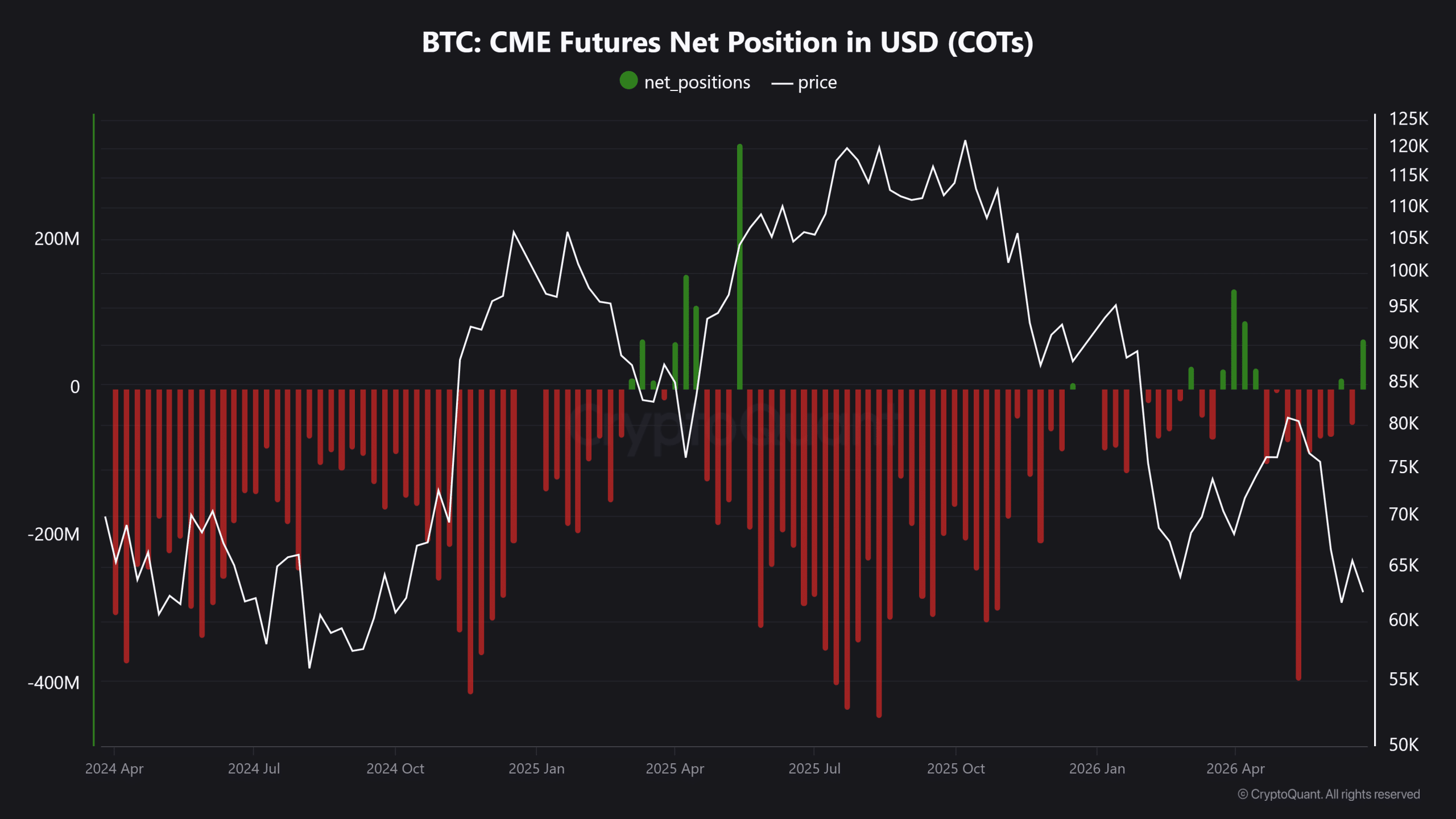
Some analysts believe this imbalance could keep pressure on Bitcoin through the third quarter, with expectations that the current market cycle may not reach its final bottom until later in 2026.
Can Softer Economic Data Change the Trend?
There are early signs that sentiment may be stabilizing.
Following weaker U.S. labor market data, spot Bitcoin ETFs recorded approximately $221 million in net inflows, ending a streak of ten consecutive days of withdrawals. The report also eased concerns that the Federal Reserve may need to keep interest rates higher for longer.
Market observers say the next major catalyst will be upcoming U.S. inflation reports. Consumer Price Index (CPI) and Producer Price Index (PPI) data scheduled for mid-July are expected to shape expectations ahead of the Federal Reserve’s next policy meeting.
Also Read: Bitcoin and Gold Crash Together in 2026: The Market Signal Investors Can’t Ignore
From a technical perspective, Bitcoin faces immediate resistance around $62,300, followed by the $65,000-$67,000 range. A stronger recovery would likely require a move above its 200-day moving average near $75,000.
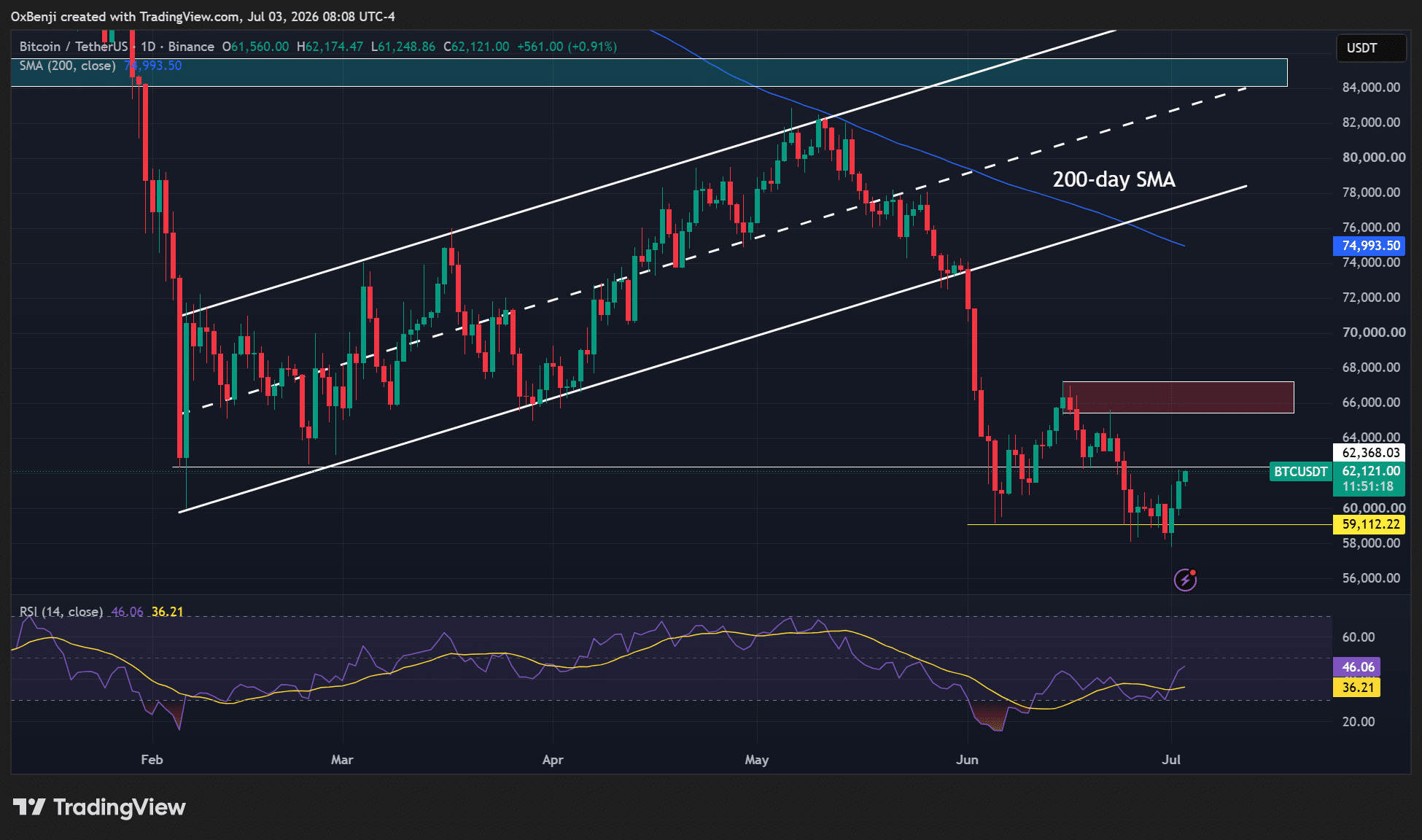
While recent ETF inflows offer a hint that buying interest may be returning, the broader trend remains uncertain. Institutional demand has yet to fully recover, and upcoming inflation data could determine whether Bitcoin and gold regain their appeal as macro hedges or continue facing investor outflows in the months ahead.
Disclaimer: The information in this article is for general purposes only and does not constitute financial advice. The author’s views are personal and may not reflect the views of Chain Affairs. Before making any investment decisions, you should always conduct your own research. Chain Affairs is not responsible for any financial losses.

I’m a crypto enthusiast with a background in finance. I’m fascinated by the potential of crypto to disrupt traditional financial systems. I’m always on the lookout for new and innovative projects in the space. I believe that crypto has the potential to create a more equitable and inclusive financial system.