|
Getting your Trinity Audio player ready...
|
- Japan’s highest interest rate in decades could increase pressure on Bitcoin and crypto markets.
- Previous BOJ hikes have been followed by major BTC corrections.
- Ethereum and other altcoins may face higher volatility if risk appetite weakens.
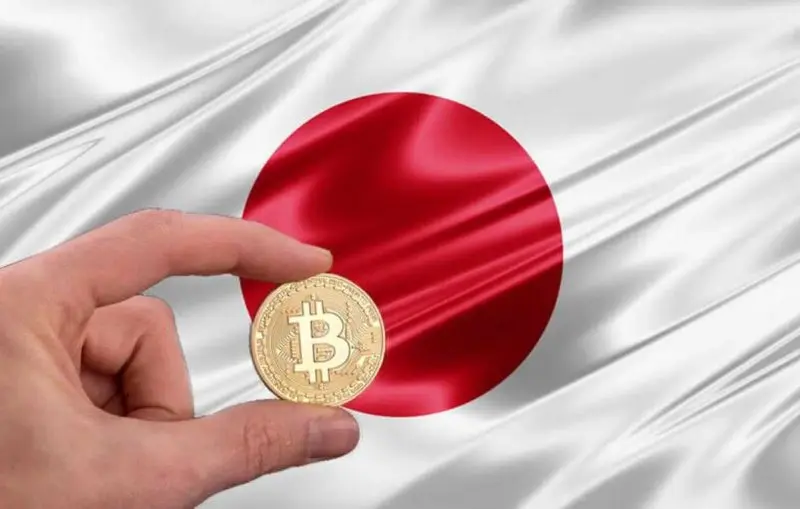
The Bank of Japan’s latest interest rate increase has reignited concerns across global financial markets, especially in the cryptocurrency sector. The central bank raised rates to 1%, the highest level seen since the mid-1990s, marking another step away from Japan’s long-running era of ultra-low borrowing costs.
The move comes at a time when global liquidity trends are creating an unusual split between major assets. While money supply and equity markets remain close to record levels, Bitcoin and many cryptocurrencies have moved lower. Bitcoin is currently far below its previous peak near $126,000, while Ethereum remains significantly below its all-time high.
The key question for traders is whether the latest Bank of Japan (BOJ) rate hike could trigger another wave of crypto selling similar to previous cycles.
Japan’s Rate Shift Creates Global Market Pressure
For years, the Japanese yen has been one of the world’s cheapest funding currencies. Investors often borrowed yen at low rates to invest in higher-risk assets, including stocks and cryptocurrencies. As Japan tightens monetary policy, that strategy becomes more expensive and may force investors to reduce leveraged positions.
A stronger Japanese yen could also affect yen-linked digital assets. If JPY stablecoins are mainly used for payments, demand may remain stable. However, if investors use them as a way to gain yen exposure, their supply could decline as currency conditions change.
The broader impact comes from potential global deleveraging. Historically, rising Japanese rates have created pressure across markets because the cost of borrowing increases.
Bitcoin Faces Historical Risk After BOJ Moves
Previous BOJ rate hikes have often coincided with sharp Bitcoin corrections. Market data shows that Bitcoin experienced declines of roughly 20% to 30% after several recent Japanese monetary policy shifts.
In 2024, Bitcoin dropped more than 17% after one rate decision and fell over 25% following another. In early 2025, BTC suffered a decline exceeding 30%. A similar pattern appeared later when Bitcoin rallied before falling from around $95,000 toward $60,000.
These past reactions have increased fears that the latest BOJ decision could create another downside move for Bitcoin and the wider crypto market.
Altcoins Could Face Additional Volatility
High-risk cryptocurrencies may experience even greater pressure if investors move away from speculative assets. Ethereum, Binance Coin, XRP, and Solana are among the major altcoins that could face increased volatility if Bitcoin declines further.
However, market sentiment has recently improved after a prolonged period of uncertainty linked to global geopolitical tensions. Investors have shown signs of looking for opportunities instead of only reacting to fear.
The BOJ rate hike creates a new test for crypto markets. While history suggests caution, current conditions are different, with equities remaining resilient and traders watching liquidity trends closely. Bitcoin’s next move may depend on whether investors view Japan’s tightening cycle as a temporary shock or the start of a broader risk reduction phase.
Also Read: Japan Crypto Warning: Bitbank Takes Action Over Polymarket Links
Japan’s shift toward higher interest rates has become a major factor for global markets. For crypto investors, the focus now remains on whether Bitcoin repeats past post-BOJ declines or breaks away from previous patterns. The coming weeks could reveal whether liquidity, leverage, and investor confidence will determine the next major crypto trend.
Disclaimer: The information in this article is for general purposes only and does not constitute financial advice. The author’s views are personal and may not reflect the views of Chain Affairs. Before making any investment decisions, you should always conduct your own research. Chain Affairs is not responsible for any financial losses.

I’m a crypto enthusiast with a background in finance. I’m fascinated by the potential of crypto to disrupt traditional financial systems. I’m always on the lookout for new and innovative projects in the space. I believe that crypto has the potential to create a more equitable and inclusive financial system.