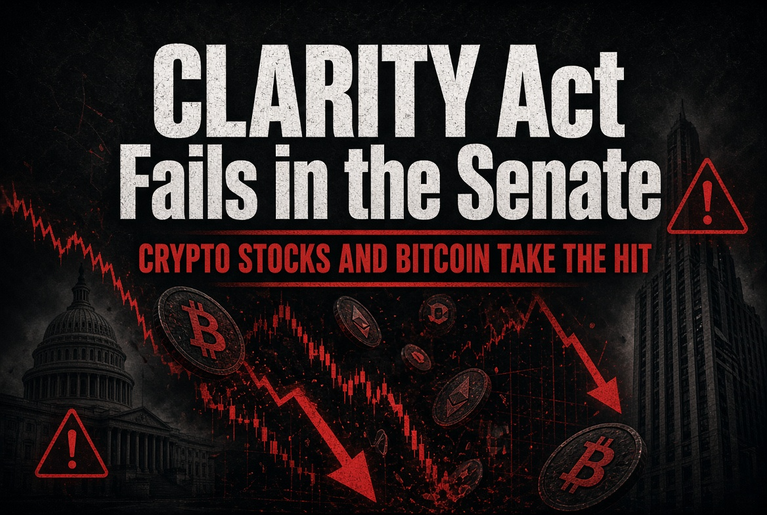
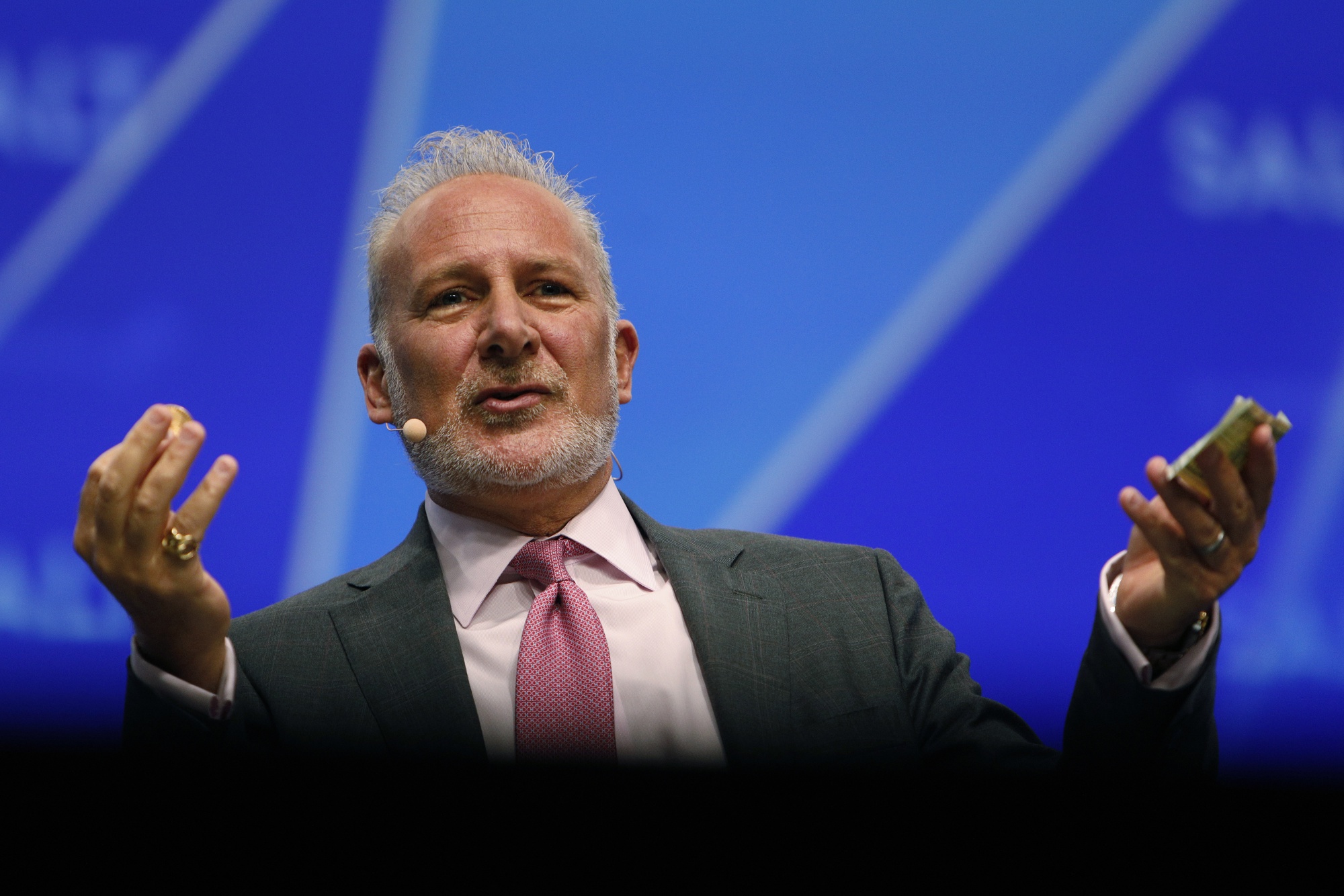
- Peter Schiff believes Bitcoin could fall below $20,000 if it breaks the $50,000 level.
- Bitcoin supporters dismissed the prediction and cited Schiff’s long history of bearish calls.
- The debate highlights the ongoing divide between gold advocates and Bitcoin believers.
Bitcoin is once again at the center of a heated debate after longtime critic Peter Schiff predicted the world’s largest cryptocurrency could plunge below $20,000. His latest warning quickly ignited reactions across social media, with Bitcoin supporters pushing back against what they view as another overly bearish forecast.
The comments arrived during a period of increased volatility for Bitcoin, which recently slipped below the psychologically important $70,000 level and triggered concerns about broader market weakness.
Schiff Warns of a Sharp Bitcoin Selloff
Schiff, chief economist and founder of Euro Pacific Capital, argued that Bitcoin investors remain too confident despite recent market weakness. According to him, the market has yet to experience the kind of fear typically associated with major bottoms.
He suggested that if Bitcoin falls below $50,000, the decline could accelerate rapidly and send prices under $20,000. Schiff believes such a move would challenge the conviction of long-term holders and force many investors to exit their positions.
The prediction came as Bitcoin traded near $66,000 following a notable correction. Market sentiment was also affected by the movement of thousands of BTC linked to Mt. Gox creditor repayments, an event that revived concerns about potential selling pressure.
Adding to the cautious mood, Strategy, the largest corporate Bitcoin holder, completed a relatively small Bitcoin sale. While insignificant compared to its overall holdings, the timing attracted attention from traders already watching for signs of weakness.
Bitcoin Supporters Reject the Bearish Outlook
Schiff’s comments were met with immediate resistance from the crypto community. Many users pointed to his long history of bearish Bitcoin forecasts, noting that he has questioned the asset’s future throughout its rise from a niche digital asset to a global financial phenomenon.
Several Bitcoin advocates argued that price declines do not change the network’s core value proposition. They emphasized Bitcoin’s role as a decentralized and censorship-resistant monetary system rather than viewing it solely as a speculative investment.
Others highlighted that previous market crashes failed to eliminate long-term conviction among holders, suggesting that another major correction would likely be viewed as a buying opportunity rather than a reason to abandon the asset.
A Longstanding Divide Between Gold and Bitcoin
The exchange reflects a broader ideological clash between traditional gold supporters and Bitcoin believers. Schiff has consistently promoted gold as a superior store of value, while Bitcoin proponents argue that digital scarcity and decentralization make Bitcoin uniquely positioned for the future.
Despite recent weakness, Bitcoin remains far above levels seen during previous market cycles and continues to attract institutional and retail interest. Analysts are now closely monitoring support zones around the mid-$60,000 range for signs of stabilization.
Also Read: Bitcoin Crashes Below $70K as Mt. Gox Moves $731M BTC—Is More Pain Ahead?
Peter Schiff’s prediction of a collapse below $20,000 has once again fueled debate across financial and crypto circles. While some investors acknowledge current market risks, many Bitcoin supporters remain unconvinced by the bearish outlook. For now, the discussion appears to be generating more activity on social media than in the market itself, as traders focus on key support levels and the broader direction of the crypto sector.
Disclaimer: The information in this article is for general purposes only and does not constitute financial advice. The author’s views are personal and may not reflect the views of Chain Affairs. Before making any investment decisions, you should always conduct your own research. Chain Affairs is not responsible for any financial losses.

I’m your translator between the financial Old World and the new frontier of crypto. After a career demystifying economics and markets, I enjoy elucidating crypto – from investment risks to earth-shaking potential. Let’s explore!